 Flaky Face Patches? A Short Guide to Seborrheic Dermatitis
#Malassezia
7 ideas
Flaky Face Patches? A Short Guide to Seborrheic Dermatitis
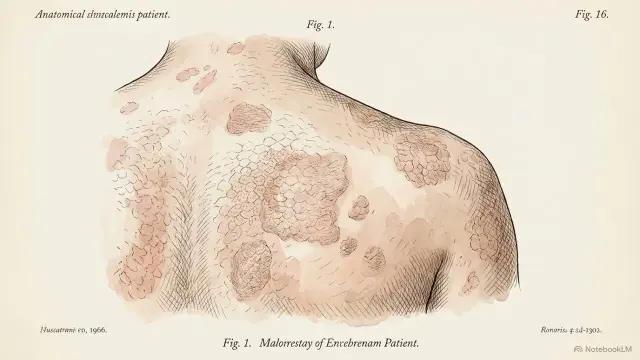 Malassezia Furfur: The Lipid-Dependent Skin Yeast Explained
 A Dermatologist's Approach to Malassezia Folliculitis
 Fungal Acne: Causes, Signs and Treatment Options
 Telling Malassezia Folliculitis Apart from Ordinary Acne
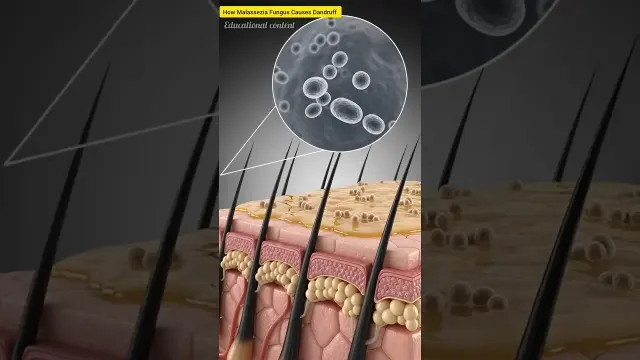 How Malassezia Yeast Causes Dandruff, Shown in 3D Animation
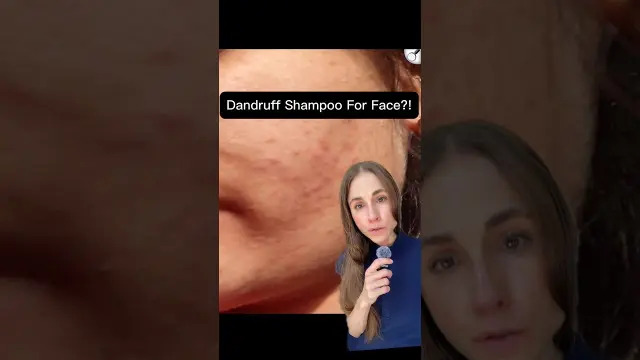 Dermatologist on Using Dandruff Shampoo as a Face Wash
Get new #Malassezia ideas by email
Every Thursday: the week's best ideas, with the newest from #Malassezia.
Related tags
Malassezia: The Skin Yeast Behind Dandruff
Malassezia is a genus of yeasts, single-celled fungi that live on the skin of most warm-blooded animals, people included. It is not an invader or an infection in itself: it belongs to the ordinary community of microorganisms that share our skin, and it is present on nearly everyone from infancy onward. Most of the time it causes no trouble at all.
A yeast that feeds on oil
What sets Malassezia apart from most yeasts is that it cannot live on sugars. It needs lipids, the oils produced by the skin's sebaceous glands. That one fact explains almost everything about where it settles and when it becomes noticeable. It gathers where sebum is richest: the scalp, the face, particularly the eyebrows, the sides of the nose and the chin, the chest and upper back, and the folds behind the ears. Skin with little oil is rarely colonised.
The main species
Read more
Several species have been described, and a handful account for most of what is found on human skin. Malassezia globosa and Malassezia restricta dominate the scalp and face, while Malassezia furfur and Malassezia sympodialis are more often found on the trunk. They look similar under a microscope but differ in how they grow and how they interact with skin. That difference is part of why the same organism can be entirely quiet on one person and noticeable on another.
Why it draws attention
When the skin's balance shifts, Malassezia can become relevant to comfort. The flaking and itching of dandruff and of seborrheic dermatitis are generally understood to come less from the yeast itself than from the skin's reaction to it, along with the fatty acids it produces as it breaks down oils. On the trunk, particularly in warm and humid climates, it is associated with patches of altered skin colour, and on the back and chest with small itchy bumps around hair follicles. None of this is contagious in the everyday sense, since the organism is already part of your skin.
What beginners should know
- Cleanse regularly but gently. Over-washing and harsh cleansers can dry and irritate the skin rather than help it, so favour mild products and lukewarm water.
- Wash the scalp properly rather than only the hair, and let the lather sit for a moment before rinsing.
- Let skin dry fully before dressing, especially in skin folds, and choose loose, breathable fabrics in heat and humidity.
- Heavy, occlusive oils and rich balms on oil-prone areas can feed the conditions Malassezia likes.
- Medicated shampoos and washes are widely used for these complaints and are generally available without prescription; follow the label rather than improvising.
- Give any routine several weeks before judging it. Skin and scalp respond slowly.
When to ask for help
Ordinary dandruff is a nuisance, not a danger. But a rash that spreads, itches persistently, changes the colour of your skin, or does not settle with gentle care deserves a professional look, because several conditions look alike and only an examination can tell them apart. Treat Malassezia as what it is: a quiet, permanent tenant of your skin, best managed by keeping that skin clean, dry and unhurried.
#Malassezia: frequently asked questions
What exactly is Malassezia, and does everyone have it?
It is a genus of yeasts — single-celled fungi — that naturally belongs to the community of microorganisms living on skin. Nearly everyone carries it from infancy onward, and for most people it stays completely unremarkable. It is not something you catch or catch from someone else.
Why does Malassezia settle on some areas of the body and not others?
Unlike most yeasts it cannot survive on sugars; it needs the oils produced by the skin's sebaceous glands. That is why it gathers where sebum is richest — the scalp, eyebrows, sides of the nose, chin, chest, upper back and the folds behind the ears — and why oily skin suits it while dry skin rarely hosts it.
How should a beginner care for skin that Malassezia seems to affect?
Cleanse gently and regularly with mild products and lukewarm water rather than scrubbing or over-washing, which tends to dry and irritate skin instead of helping. Wash the scalp itself rather than just the hair, let skin dry fully before dressing, and wear loose, breathable fabrics when it is warm and humid. Avoid heavy occlusive oils and rich balms on oil-prone areas, since they feed the conditions this yeast prefers.
Are dandruff and the flaking on my face the same thing?
They are related: the flaking and itching of dandruff and of seborrheic dermatitis are generally understood to come less from the yeast itself than from the skin's reaction to it and to the fatty acids it releases as it breaks down oils. Skin that looks flaky around the eyebrows, nose or hairline is following the same logic of oil-rich areas. What differs is location and how your skin responds.
How do I tell Malassezia bumps apart from ordinary acne?
On the back and chest, this yeast is associated with small itchy bumps around hair follicles rather than the blocked pores and inflamed spots of ordinary acne, and on the trunk it can also show as patches of altered skin colour. The two can look alike, so a proper examination is what actually distinguishes them. If a rash spreads, itches persistently or changes your skin colour, it deserves a professional look.
How long should I give a routine before deciding it isn't working?
Longer than feels natural — skin and scalp respond slowly, so judge a routine only after you have followed it consistently for a while. Follow product labels rather than improvising or mixing things up impatiently, and keep the gentle basics steady in the meantime. If nothing settles with careful, unhurried care, that is the point to seek advice rather than keep experimenting.
Videos come from YouTube and posts from Instagram; titles and summaries are our own. All rights belong to their creators.