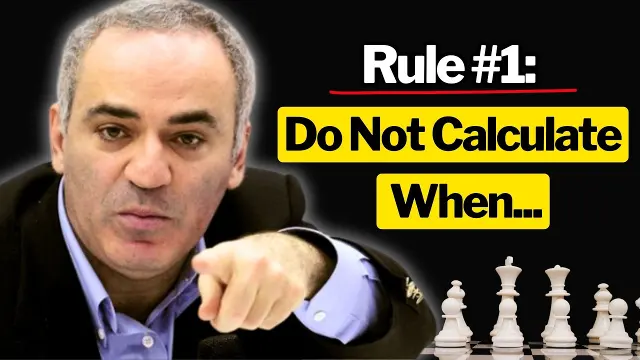
 Seven Strategic Rules for Chess Calculation
#Masterclass
4 ideas
Seven Strategic Rules for Chess Calculation
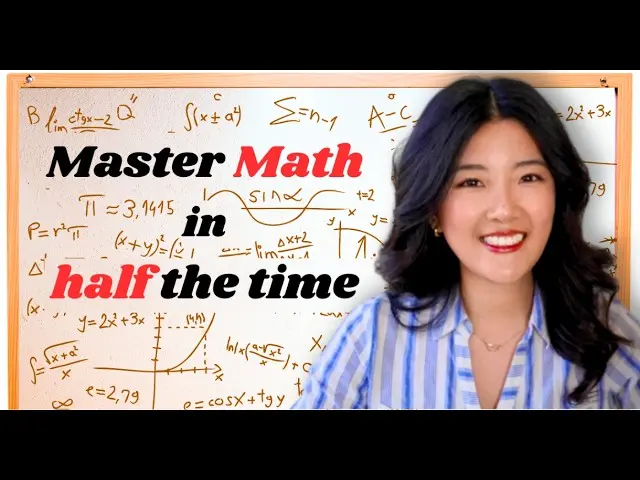 Science-Based Masterclass To Master Mathematics
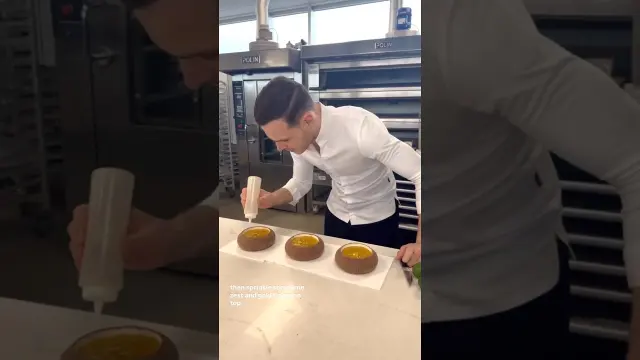 Masterclass start with chef Amaury Guichon at the pastry academy
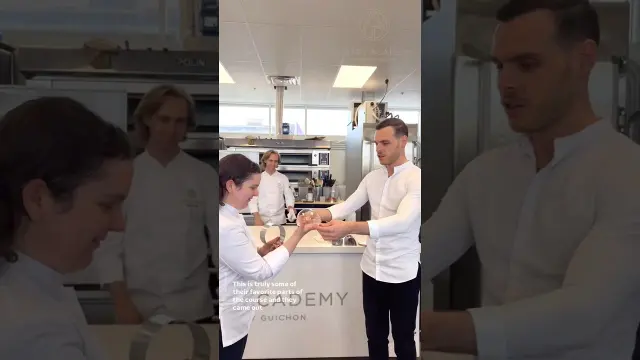 Graduation day on the final masterclass at the pastry academy
Get new #Masterclass ideas by email
Every Thursday: the week's best ideas, with the newest from #Masterclass.
Related tags
Masterclass: What It Is and How to Learn From One
A masterclass is a focused learning session built around expert instruction, close observation, and practical application. The word is often used for music, cooking, design, writing, craft, sport, and many other skills, but the idea is the same: you get a deeper look at how an experienced person works, thinks, and makes decisions.
The term comes from the idea of a “master” teaching a class in a particular craft or discipline. Traditionally, masterclasses were associated with music and performance, where a highly skilled teacher would work with one or a few students in front of others. Over time, the format spread to many fields. Today, a masterclass can be a live workshop, a recorded lesson, or a small-group teaching session.
What makes a masterclass different
A masterclass is usually more advanced than a beginner lesson. It assumes some basic familiarity with the subject and focuses on refinement rather than first principles. You are not only learning what to do, but also why certain choices work better than others.
Read more
That means a masterclass often includes:
- Demonstration of technique by an expert
- Explanation of creative decisions
- Correction of common mistakes
- Feedback on real work or exercises
- Tips for improving skill, efficiency, or confidence
Because of this, masterclasses are especially useful when you already know the basics and want to move beyond them.
Common forms of masterclasses
Masterclasses can take several shapes. Some are lecture-based, with the instructor explaining concepts and showing examples. Others are highly practical, with students trying the technique themselves. In some settings, the teacher works live with one person while everyone else observes and learns from the process.
They can also vary by subject. In the arts, a masterclass may focus on interpretation, expression, or technique. In the kitchen or craft room, it may focus on method, precision, and presentation. In academic or professional fields, it may explore problem-solving, structure, or higher-level strategy.
How to get the most from one
If you are attending a masterclass, it helps to come prepared. Read or review the basics first so you can follow the lesson more easily. Bring questions that are specific and useful. Instead of asking something very broad, ask about the part you find hardest or the step you want to improve.
It is also helpful to watch carefully. In a good masterclass, small details matter: how the instructor prepares, what they notice first, when they adjust, and how they explain choices. Those details often reveal more than the final result.
Practical advice for beginners
If you are new to the format, remember that a masterclass is not always meant to replace basic teaching. It works best as a way to deepen knowledge once you have a foundation. Be patient with yourself if some of the discussion feels advanced. Even if you cannot use every idea immediately, you can still learn from the approach, discipline, and way of thinking.
A strong masterclass leaves you with more than inspiration. It gives you clearer habits, better understanding, and a sense of what excellence looks like in practice.
Videos come from YouTube and posts from Instagram; titles and summaries are our own. All rights belong to their creators.