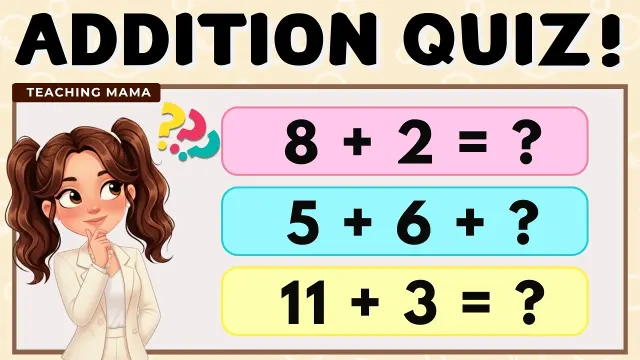
 Fun Basic Addition Math Quiz Activity for Young Children
#Math Education
12 ideas
Fun Basic Addition Math Quiz Activity for Young Children
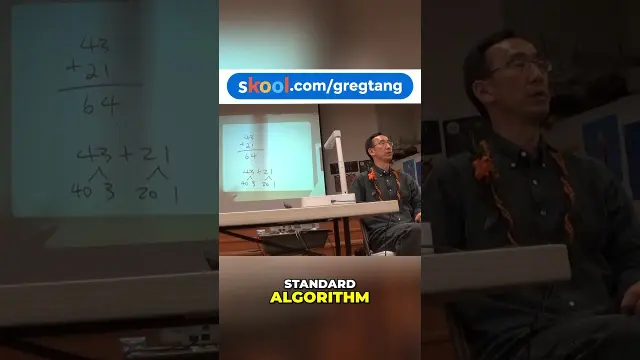 Foundational Math: Clear Approaches to Addition and Subtraction
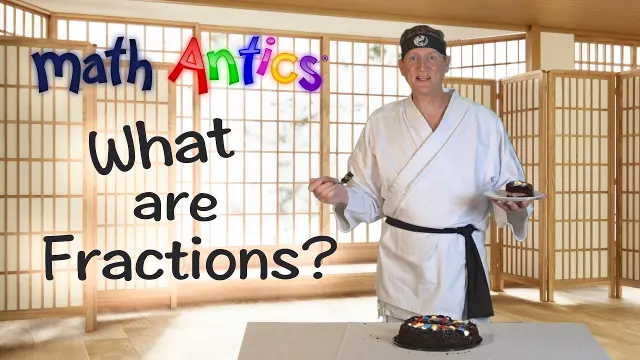 Introduction To Fractions And Key Concepts
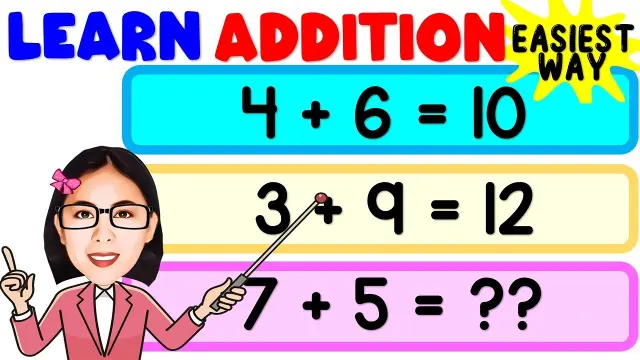 Easiest Way to Learn Addition Math Quiz for Kids
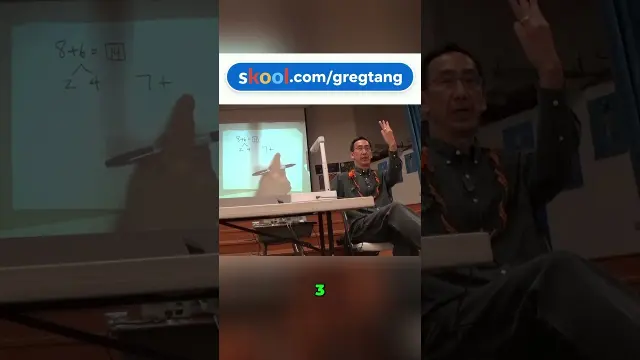 Teaching Kids Math Strategy for Breaking Down Numbers
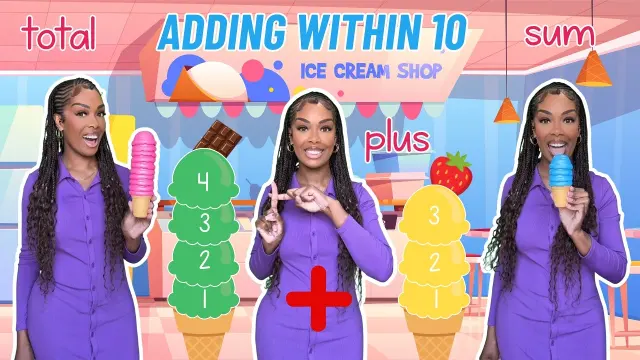 Adding Within Ten Math Lesson For Young Learners
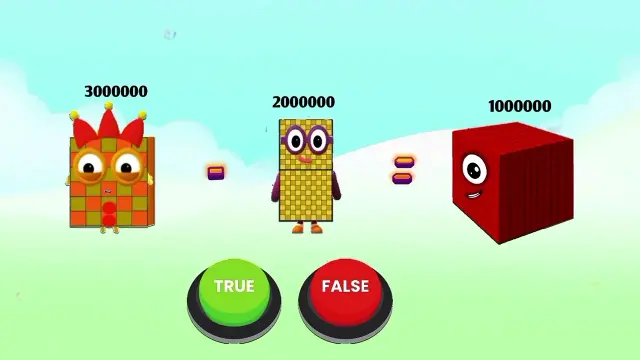 Big Numbers True or False Math Quiz for Kids
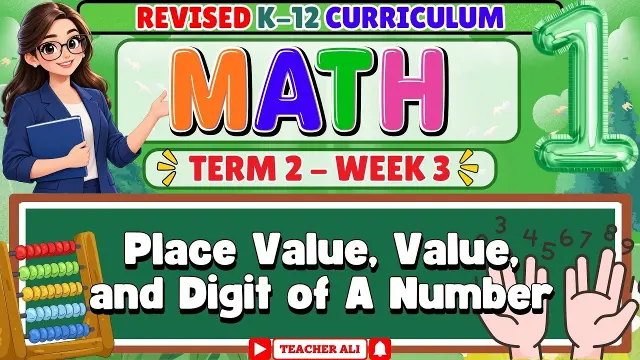 Understanding Place Value, Value, and Digit of a Number
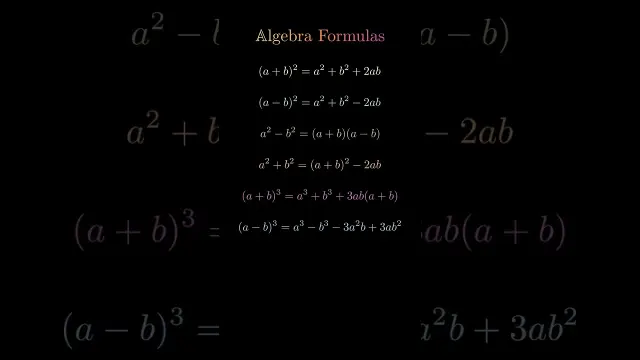 Nine Essential Algebra Formulas And Algebraic Identities
 Science-Based Masterclass To Master Mathematics
 Easy Methods for Breaking Down Division Problems
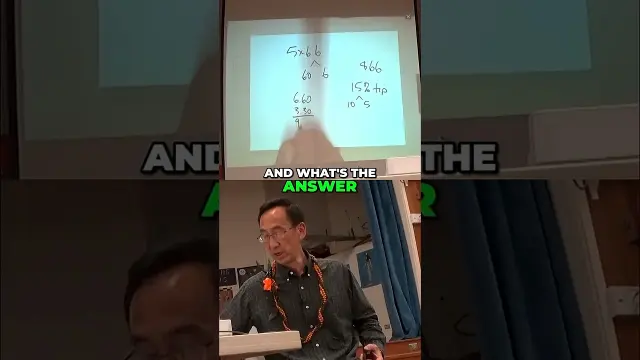 Simple Mental Math Trick for Calculating Tips Quickly
Get new #Math Education ideas by email
Every Thursday: the week's best ideas, with the newest from #Math Education.
Related tags
Math Education: Building Confidence with Numbers
Math education is the teaching and learning of numbers, patterns, shapes, measurement, and problem solving. It begins with very early ideas such as counting, comparing, and recognizing quantities, and it continues through arithmetic, algebra, geometry, data, and more advanced mathematical thinking. At its best, math education is not only about getting the right answer. It also helps you understand how to reason, explain, estimate, and approach problems step by step.
Why math education matters
Math is part of everyday life. You use it when you handle money, measure ingredients, read schedules, compare prices, or make plans. In school, math also supports other subjects because it strengthens logical thinking, attention to detail, and the ability to follow patterns. For many learners, the most important goal is confidence: feeling able to try, check, and improve rather than giving up quickly.
Main areas of math learning
Read more
Math education usually moves through several connected areas:
- Number sense: understanding quantities, counting, place value, and the size of numbers
- Operations: addition, subtraction, multiplication, and division
- Fractions, decimals, and percentages: different ways to represent parts and amounts
- Geometry: shapes, space, symmetry, angles, and measurement
- Algebra: using symbols and patterns to describe relationships
- Data and probability: reading charts, organizing information, and thinking about chance
These topics build on one another. If an early idea is shaky, later work can feel harder, so it helps to review the basics often.
Common teaching approaches
There is no single best way to learn math. Good math education often combines several methods:
- Concrete learning: using objects, drawings, or counters to make ideas visible
- Visual models: number lines, arrays, diagrams, and bar models
- Step-by-step practice: repeating a skill until it becomes more familiar
- Problem solving: applying a method to a new question
- Explanation and discussion: talking through how a solution works
Different learners benefit from different combinations. Some need to see a concept first, while others understand best by doing many examples.
What beginners should know
If you are starting out, it helps to focus on understanding before speed. Learn why a method works, not only how to follow it. Break problems into smaller parts, and do not be afraid to use scratch paper, drawings, or simple examples. Mistakes are useful because they show where understanding is missing.
A few habits can make a real difference:
- Practice a little often instead of only once in a while
- Check your work by estimating or using another method
- Learn the vocabulary of math, such as sum, difference, product, and quotient
- Ask yourself what the question is really asking
- Keep building from simple examples to harder ones
Tips for steady progress
Math grows best through patience and repetition. If a topic feels difficult, return to the basics and look for the pattern underneath. Try to explain your thinking in words, because that can reveal gaps in understanding. For children, playful counting, sorting, measuring, and puzzle-like activities can make math feel natural. For older learners, regular practice with mixed problems helps strengthen memory and flexibility.
Good math education does more than teach formulas. It helps you become a clearer thinker, a calmer problem solver, and a more confident learner.
Videos come from YouTube and posts from Instagram; titles and summaries are our own. All rights belong to their creators.