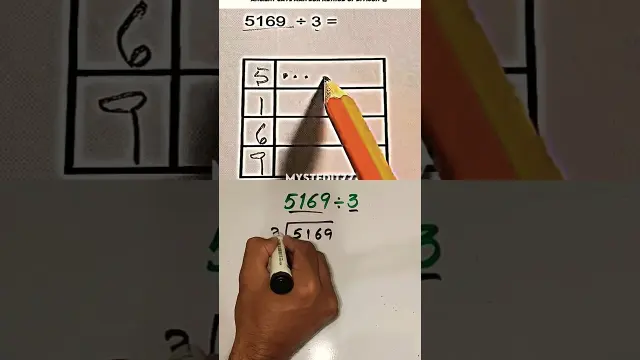
 Visual Box Method for Fast Multi-Digit Division
#Math Hacks
23 ideas
Visual Box Method for Fast Multi-Digit Division
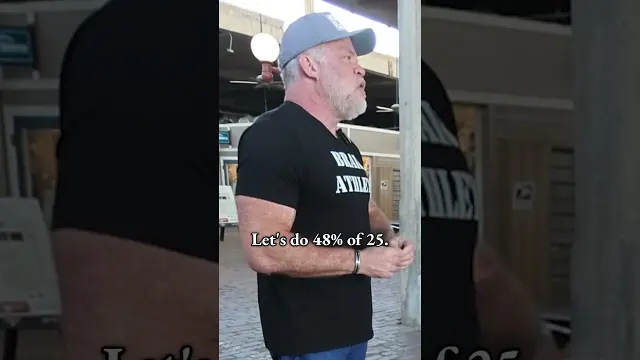 Easy Trick to Calculate Percentages by Reversing Numbers
 How to Solve Percentages Instantly in Your Head
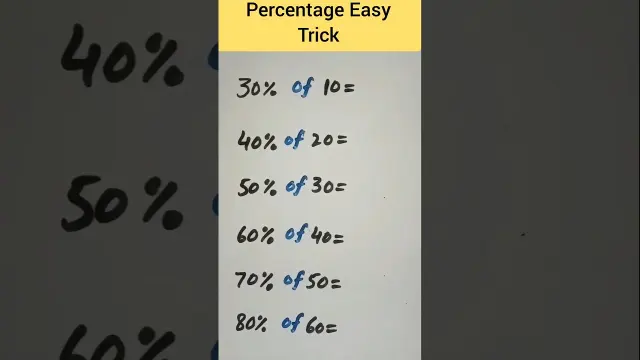 Quick Mental Math Hack to Calculate Percentages in Seconds
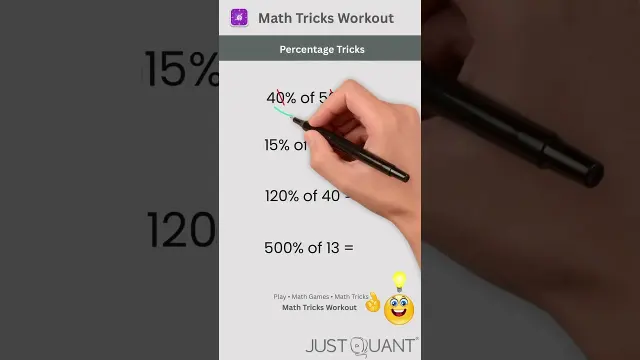 Zero-Canceling Percentage Trick for Mental Math
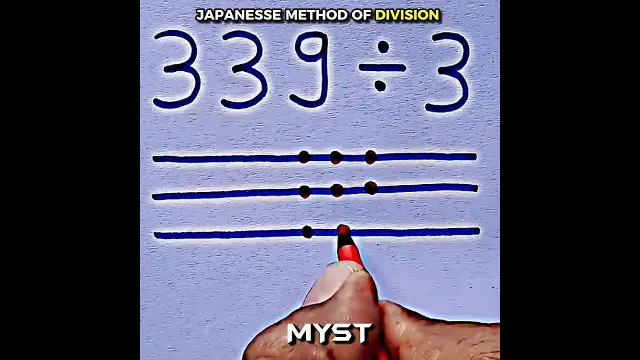 Visual Japanese Line Method for Fast Division
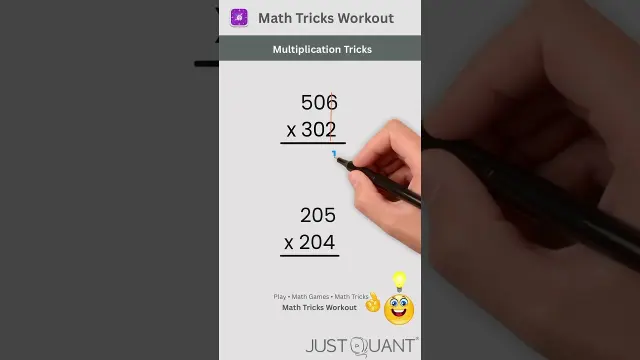 Vedic Math Zero in the Middle Multiplication Shortcut
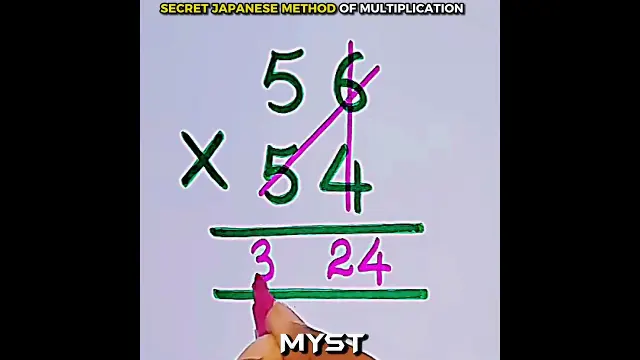 The Japanese Method of Mental Multiplication
 How to Calculate Instantly Using Mental Math Techniques
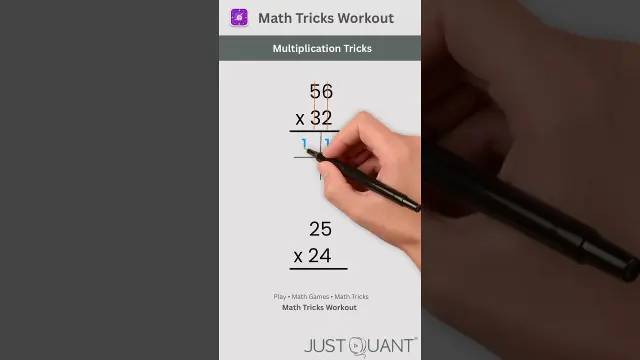 Vedic Math Shortcut to Multiply Any Two Digit Numbers Fast
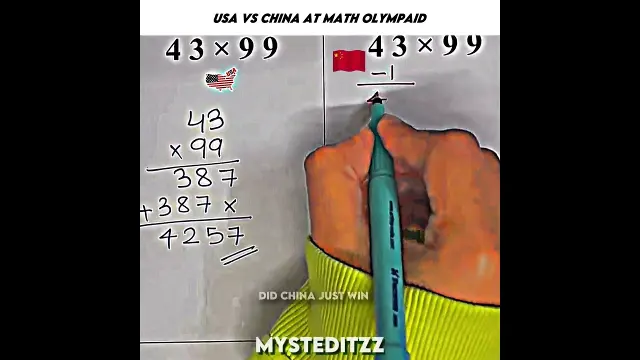 Math Olympiad Shortcut for Multiplying by Ninety Nine
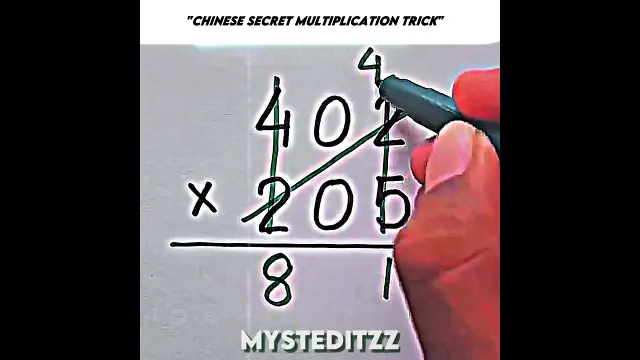 Fast Cross Multiplication Shortcut for Three-Digit Numbers
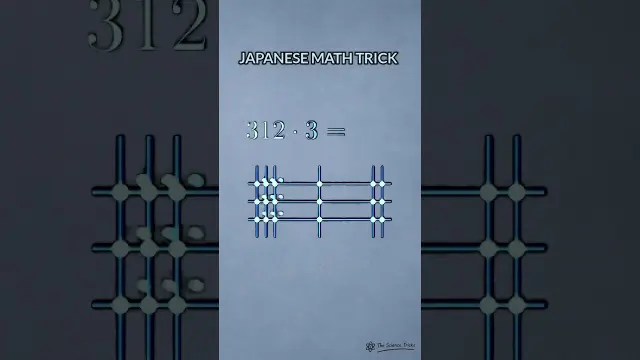 Mind-Blowing Japanese Math Trick for Quick Calculation
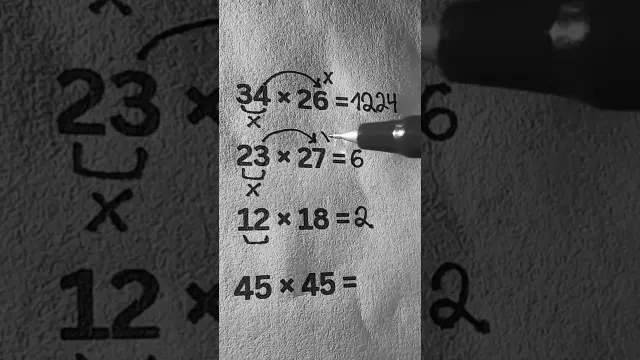 Fast Two-Digit Multiplication Trick in Seconds
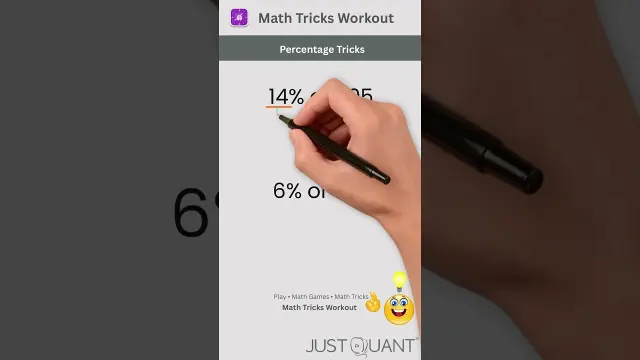 Fast Mental Math Percentage Calculation Trick Using Zero in the Middle
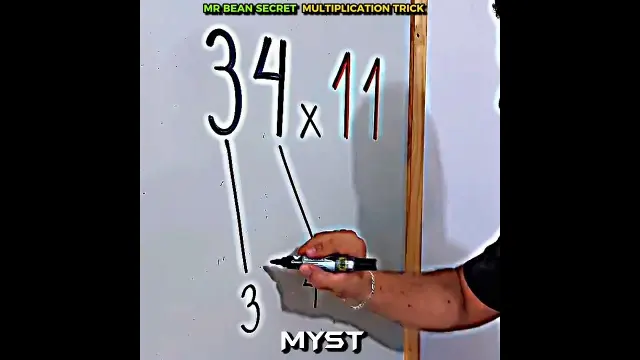 Lightning Fast Multiplication Trick for Two Digit Numbers by Eleven
 Quick Mental Trick for Multiplying Any Two-Digit Number by Eleven
 Essential Mental Math Tricks for Faster Calculations
 Visual Asian Multiplication Trick for Large Numbers
 Simple Mental Math Trick for Calculating Tips Quickly
 Quick Division Shortcuts and Mental Math Tricks
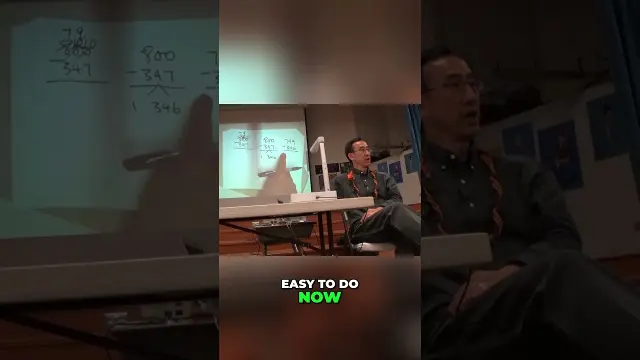 Simplified Subtraction Method to Avoid Borrowing Confusion
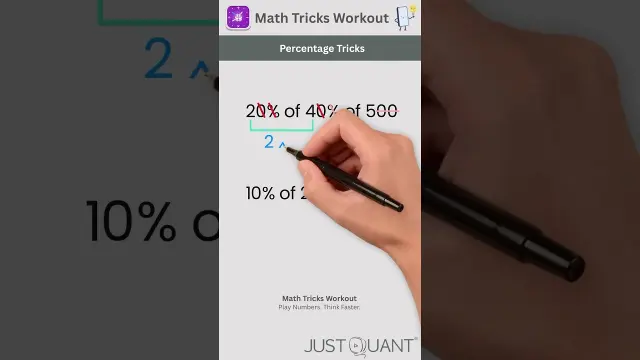 Chained Percentage Calculation Shortcut Using Zero Cancellation
Get new #Math Hacks ideas by email
Every Thursday: the week's best ideas, with the newest from #Math Hacks.
Related tags
Math Hacks for Faster Mental Calculations
Math hacks are practical shortcuts and habits that make calculations easier, faster, and less stressful. They are not a replacement for understanding math; instead, they help you see patterns, break problems into smaller steps, and avoid unnecessary work. People use these techniques in school, at work, and in everyday life whenever they need quick estimates, checks, or mental calculations.
What math hacks are
At their core, math hacks are efficient ways to handle numbers. Some are mental strategies, such as rounding and compensating. Others are visual methods, like using number lines or area models. Some rely on patterns in multiplication, division, fractions, or percentages. The best ones are simple enough to remember and flexible enough to use in different situations.
These tricks usually work because they take advantage of structure in numbers. For example, it is often easier to multiply by 10 and then adjust, or to split a problem into parts you can manage more easily. Once you understand why a shortcut works, it becomes much easier to trust and apply it correctly.
Read more
Common kinds of math shortcuts
There are many useful types of math hacks:
- Rounding and estimating: useful for quick answers and checking whether a result makes sense.
- Breaking numbers apart: helpful for addition, subtraction, and multiplication.
- Doubling and halving: a simple way to simplify some multiplication problems.
- Using friendly numbers: turning awkward numbers into easier ones to work with.
- Pattern recognition: spotting repeated structures in tables, sequences, or calculations.
- Visual methods: drawing lines, boxes, or number lines to make relationships clearer.
For example, when adding numbers, you can often rearrange them to make a round total first. When multiplying, it may help to split one factor into tens and ones. When dividing, thinking in chunks can be easier than trying to find the answer all at once.
What beginners should know
If you are new to mental math, start with one or two methods and use them often. It is better to know a few techniques well than to collect many shortcuts you do not fully understand. Make sure you can explain the logic behind a trick in your own words. That helps prevent mistakes.
A few good habits make math hacks more reliable:
- Estimate first so you know the answer is reasonable.
- Keep track of signs, especially in subtraction and negative numbers.
- Write down intermediate steps if the calculation is getting long.
- Check whether a shortcut still fits the exact problem you have.
Practical tips for using math hacks
Use shortcuts when they save time, but do not force them. If a method feels confusing, a standard written approach may be better. The goal is accuracy first, speed second.
A good way to improve is to practice on everyday numbers: shopping totals, distances, measurements, or time. Try different methods and notice which ones feel natural. Over time, you will build a small toolkit of strategies that make numbers feel less intimidating.
Math hacks are most useful when they support understanding. Once you learn to see numbers in flexible ways, many calculations become simpler, and you gain confidence along with speed.
Videos come from YouTube and posts from Instagram; titles and summaries are our own. All rights belong to their creators.