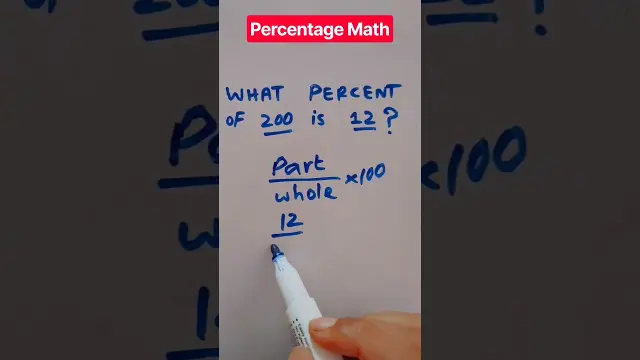
 Easy Guide on How to Calculate Percentages
#Percentages
16 ideas
Easy Guide on How to Calculate Percentages
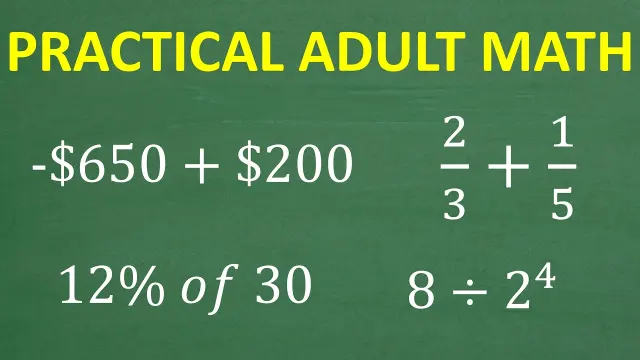 Adults Basic Math Skills Review with Four Real-World Problems
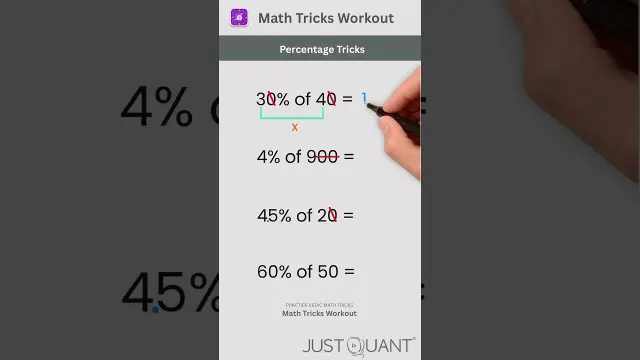 Instant Percentage Calculation Tricks and Shortcuts
 Mental Math Trick for Faster Percentage Calculations
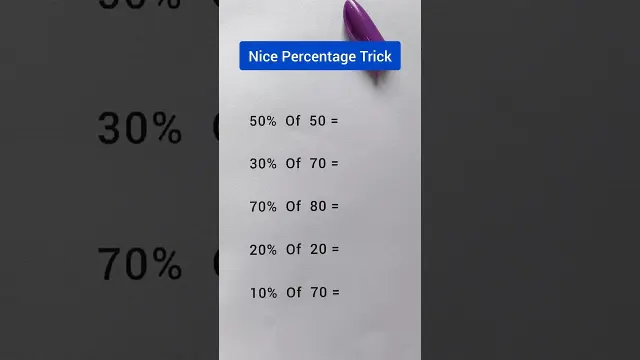 Quick Percentage Calculation Trick for Math
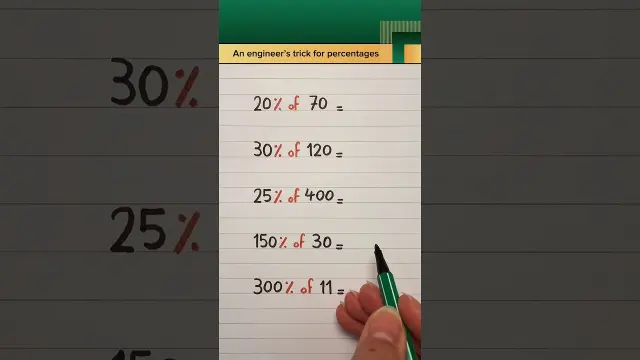 Ingenious Engineer Trick for Calculating Percentages
 Simple Math Trick to Calculate Percentages Quickly
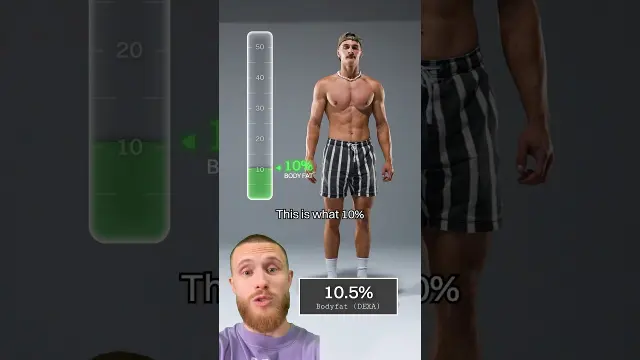 Visual Guide to Different Body Fat Percentages
 Easy Trick to Calculate Percentages by Reversing Numbers
 Beautiful Math Tricks for Percentage Calculations
 How to Solve Percentages Instantly in Your Head
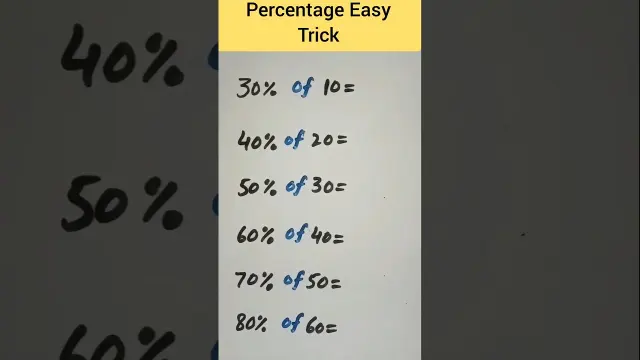 Quick Mental Math Hack to Calculate Percentages in Seconds
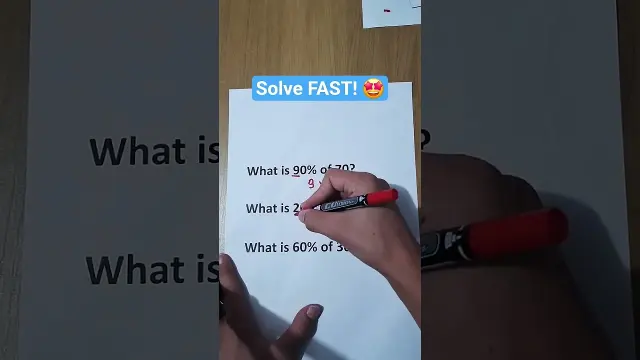 Fast and Easy Step-by-Step Percentage Math Trick
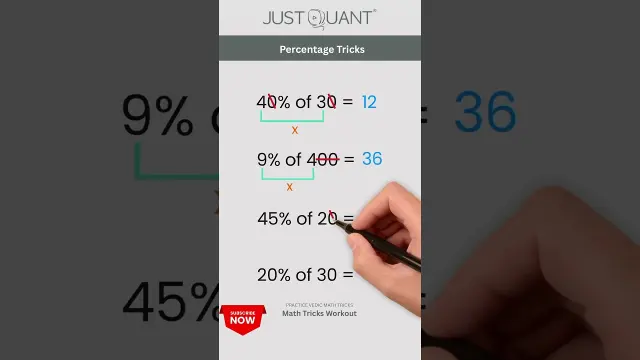 Zero Cancellation Trick to Find Percentages Fast
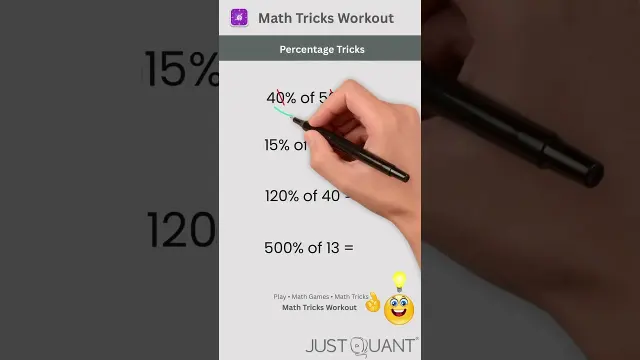 Zero-Canceling Percentage Trick for Mental Math
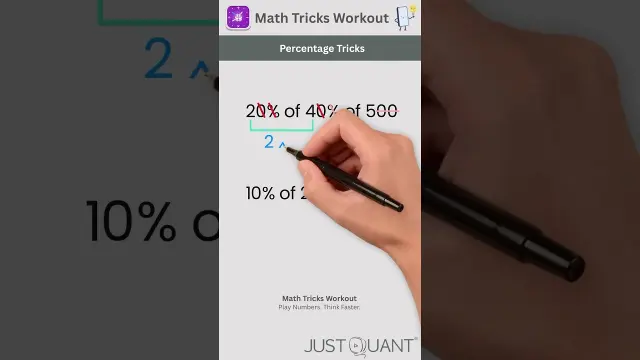 Chained Percentage Calculation Shortcut Using Zero Cancellation
Get new #Percentages ideas by email
Every Thursday: the week's best ideas, with the newest from #Percentages.
Related tags
Understanding Percentages
Percentages are one of the simplest ways to compare numbers, yet they can be surprisingly useful in everyday life. A percentage means “per hundred,” so 25% is the same as 25 out of 100. Because percentages create a common scale, they make it easier to understand parts of a whole, changes over time, and differences between groups.
What percentages are used for
You see percentages in shopping, budgeting, cooking, schoolwork, beauty routines, and household planning. They help you understand discounts, tips, sales tax, interest, ingredient ratios, test scores, and progress toward a goal. In short, percentages turn a number into a clear share of 100, which makes comparison easier.
The basic idea
Read more
If something is 50%, it means half. If it is 100%, it means the whole amount. If it is 10%, it means one-tenth. This simple pattern is the foundation of almost everything you do with percentages.
A few common equivalents are helpful to remember:
- 25% = one quarter
- 50% = one half
- 75% = three quarters
- 10% = one tenth
- 1% = one hundredth
How to calculate a percentage
There are three common types of percentage calculations:
- Find a percentage of a number: multiply the number by the percentage written as a decimal. For example, 20% of 50 means 50 × 0.20.
- Find what percentage one number is of another: divide the part by the whole, then multiply by 100.
- Find the original number after a change: work backward by using the percentage as a multiplier or by reversing the calculation.
If you are unsure, think in steps: identify the whole, identify the part, and decide what you are trying to find.
Percent increase and decrease
Percentages are often used to show change. If something grows or shrinks, the percentage tells you how large the change is compared with the original amount.
- Increase means the new value is larger than the original.
- Decrease means the new value is smaller than the original.
A useful habit is to compare changes to the starting number, not the ending one. That keeps the percentage meaningful and consistent.
Tips for beginners
When you are learning percentages, it helps to:
- Convert percentages into fractions or decimals when needed.
- Use round numbers for practice before working with harder examples.
- Check whether you are finding part of a whole, a comparison, or a change.
- Read the question carefully so you know what the “whole” is.
- Keep your units the same when working with money, weight, time, or measurements.
A practical way to think about them
Percentages are not just math symbols. They are a language for proportion. Once you understand that 100% means the full amount, everything else becomes a smaller or larger share of that whole. With practice, percentages become a quick and reliable tool for everyday decisions, schoolwork, and simple problem-solving.
Videos come from YouTube and posts from Instagram; titles and summaries are our own. All rights belong to their creators.