 AP Statistics Unit 1 Guided Notes on Variables and Studies
#Math Lesson
3 ideas
AP Statistics Unit 1 Guided Notes on Variables and Studies
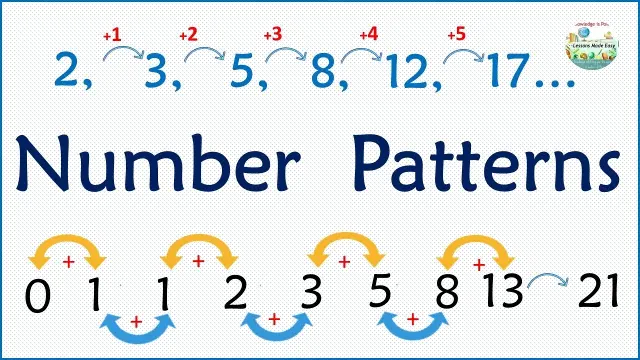 Comprehensive Guide To Arithmetic And Geometric Number Patterns
 Adding Numbers with Sums Up to 100 Without Regrouping
Get new #Math Lesson ideas by email
Every Thursday: the week's best ideas, with the newest from #Math Lesson.
Related tags
Math Lessons and How to Learn Them
What a math lesson is
A math lesson is a structured way of learning numbers, shapes, patterns, measurements, and logical thinking. It may happen in a classroom, at home, or through self-study, but the goal is the same: to help you understand how mathematics works and how to use it in everyday life.
Math has grown from practical needs such as counting goods, measuring land, and keeping records. Over time, it developed into a broad subject that includes arithmetic, algebra, geometry, statistics, and more. A good math lesson usually connects new ideas to familiar ones, so you can build understanding step by step instead of memorizing rules without meaning.
Main kinds of math you may meet
Read more
Early math lessons usually focus on the basics:
- Counting and number sense
- Addition, subtraction, multiplication, and division
- Fractions, decimals, and percentages
- Measurement, time, and money
- Shapes, space, and simple geometry
- Number patterns and sequences
As you go further, lessons may include algebraic thinking, equations, data handling, graphs, and problem solving. Each area uses the same foundation: reading the question carefully, choosing the right method, and checking that the answer makes sense.
How math is taught
Math lessons can be very direct, with examples and practice problems, or more exploratory, with puzzles, real-life situations, and discussion. Some lessons are built around repetition, which helps you become comfortable with basic facts. Others focus on reasoning, where you explain why an answer works.
A balanced lesson often includes:
- A clear explanation of the idea
- Worked examples
- Guided practice
- Independent practice
- Review and correction
This mix helps you move from understanding to confidence. It also shows that making mistakes is part of learning, not a sign that you cannot do math.
What beginners should know
If you are starting out, it helps to remember that math is cumulative. New topics usually depend on older ones, so gaps can make later lessons feel harder than they really are. If something does not make sense, it is often useful to go back and review the earlier idea.
A few practical habits can help:
- Write steps clearly instead of trying to do everything in your head
- Learn the meaning behind a rule, not just the rule itself
- Check your work by estimating or using the reverse operation
- Use simple examples before trying harder ones
- Practice a little regularly rather than cramming
Building confidence
Many people feel nervous about math, especially if they have struggled with it before. The most helpful approach is steady practice and patient review. Try to focus on progress, not speed. Over time, common patterns become familiar, and problems that once felt difficult begin to look manageable.
Math lessons are ultimately about more than getting answers right. They train you to notice patterns, think carefully, and solve problems step by step. That makes them useful not only in school, but in everyday decision-making too.
Videos come from YouTube and posts from Instagram; titles and summaries are our own. All rights belong to their creators.