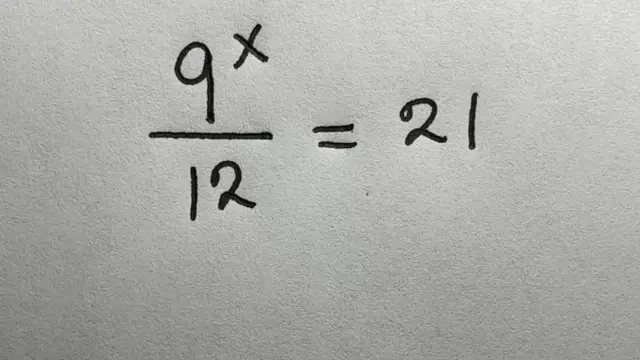
 Germany Olympiad Math Equation Solution
#Math Olympiad
16 ideas
Germany Olympiad Math Equation Solution
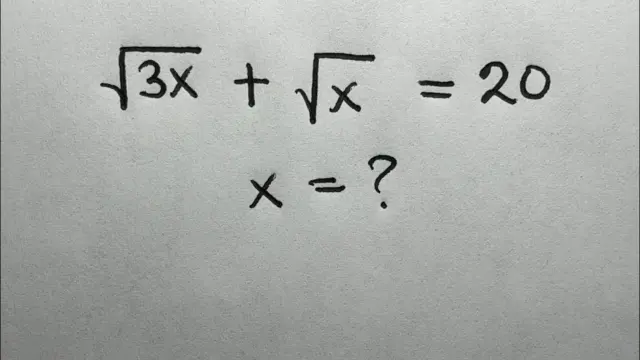 Solve for X in This Exponential Algebra Equation
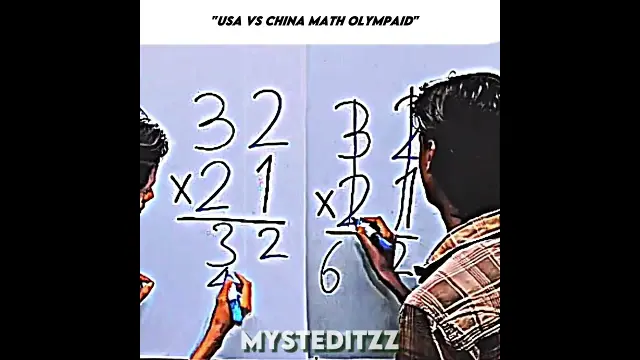 Comparing USA and China Math Methods for Multiplication
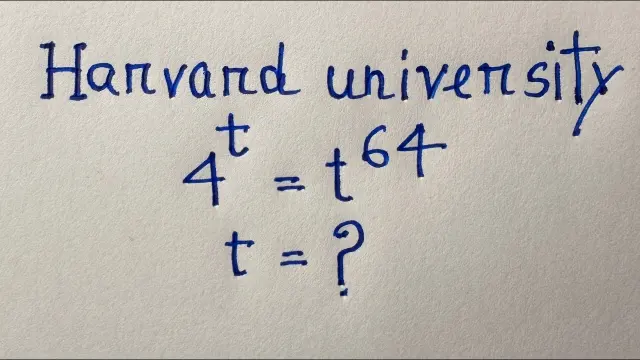 Solving an Exponential Math Olympiad Question Step by Step
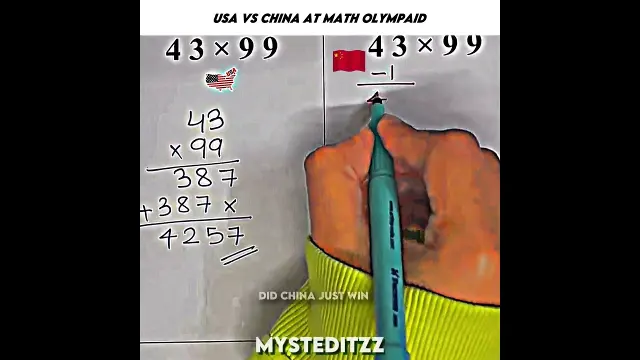 Math Olympiad Shortcut for Multiplying by Ninety Nine
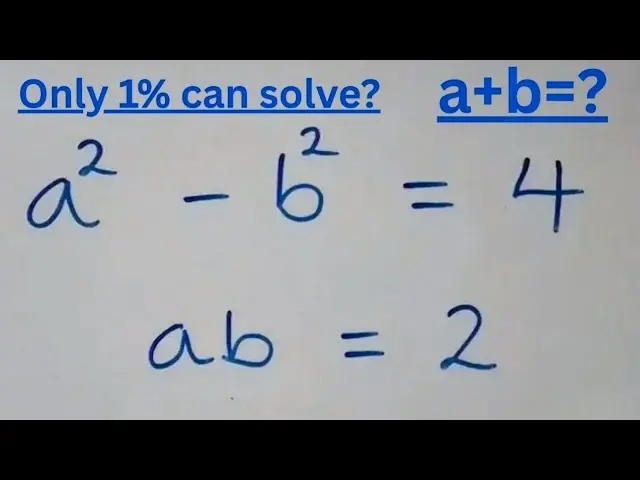 Solving a Difficult Algebra Equation for Math Olympiad
 How to Approach Any Maths Olympiad Problem
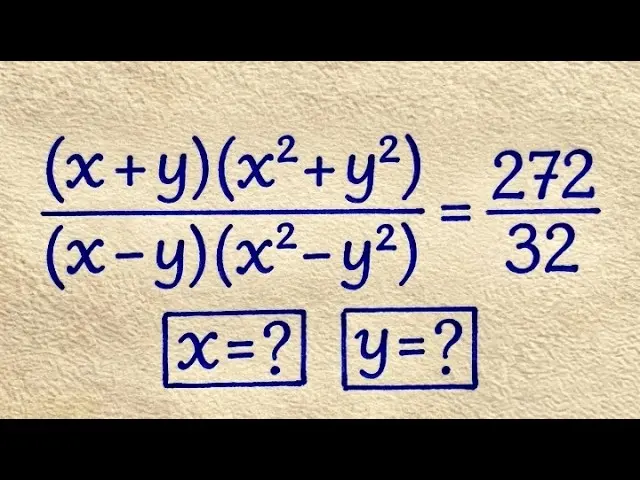 Advanced Algebra Problem for Math Olympiad Preparation
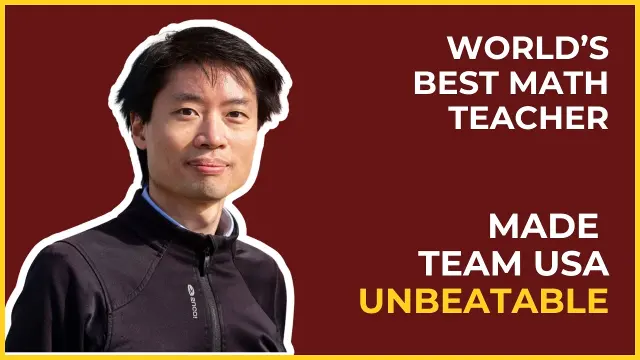 How the USA Team Transformed Its Math Olympiad Success
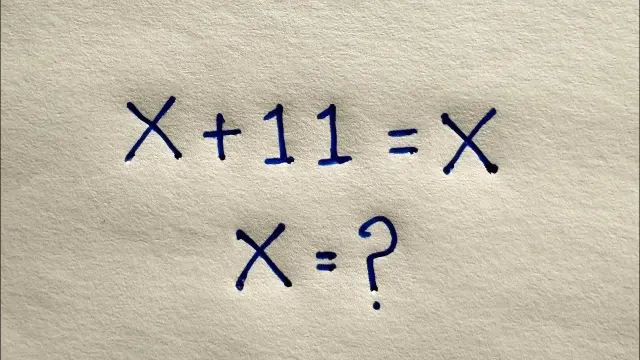 The Biggest Pitfall of the Maths Olympiad
 The Best Way to Get Better at Maths Olympiads
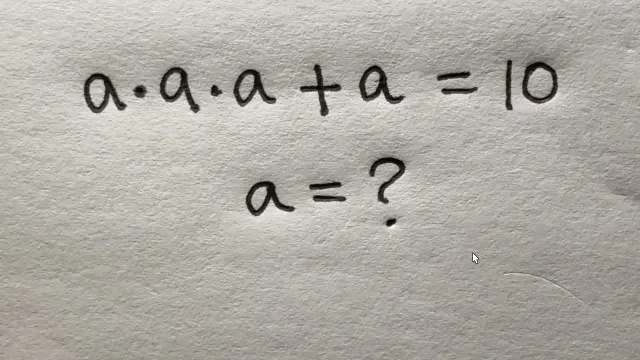 Analytical Method for Solving an Advanced Algebra Equation
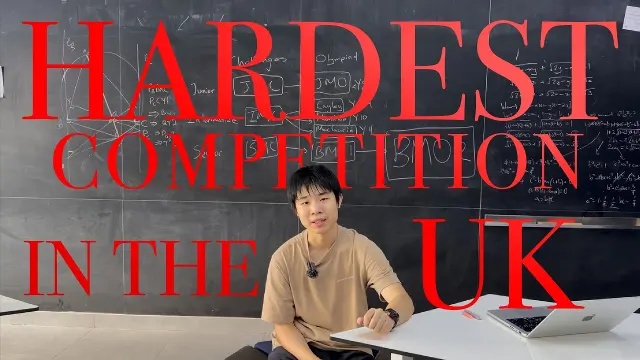 My Journey to the British Mathematical Olympiad Round 2
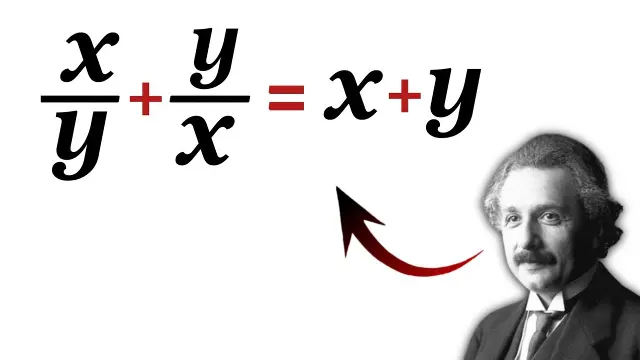 Nice Math Olympiad Question and Radical Simplification
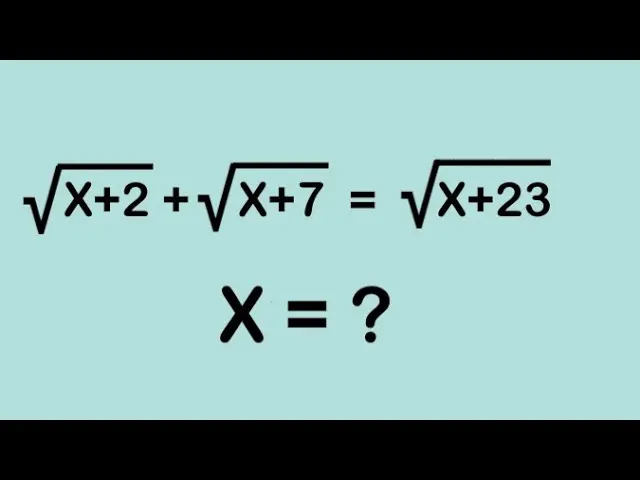 A Beautiful Olympiad Radical Problem Solution
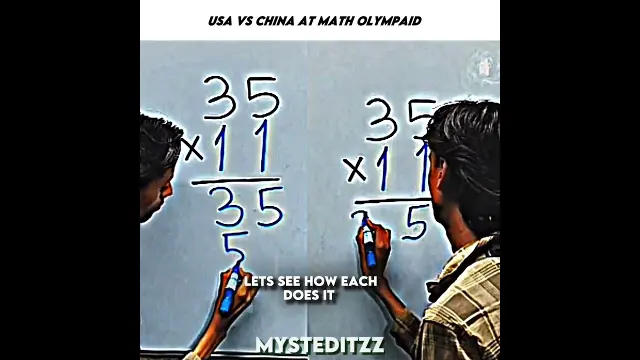 Comparing Standard Math with a Fast Olympiad Shortcut
Get new #Math Olympiad ideas by email
Every Thursday: the week's best ideas, with the newest from #Math Olympiad.
Related tags
Math Olympiad Guide for Curious Problem Solvers
What a Math Olympiad is
A Math Olympiad is a competition made up of challenging mathematics problems that ask you to think creatively, not just apply memorized formulas. Instead of routine exercises, you usually face puzzles that test logic, pattern recognition, number sense, geometry, algebra, and combinatorics. The goal is not only to find the right answer, but also to show clear reasoning and a clever approach.
Math Olympiads are used in schools, clubs, and competitions around the world to encourage deeper mathematical thinking. They can be a rewarding way to enjoy math if you like solving problems that feel like riddles.
Main kinds of problems
Read more
Olympiad questions often fall into a few broad areas:
- Number theory: properties of integers, divisibility, primes, remainders, and place value
- Algebra: equations, inequalities, sequences, and functional patterns
- Geometry: angles, triangles, circles, symmetry, area, and similarity
- Combinatorics: counting, arrangements, probabilities, and careful casework
- Logic and invariants: problems that depend on observing what stays unchanged
Many problems mix several topics at once. A geometry question, for example, may also require algebra or counting. That is part of what makes these contests interesting.
What to know as a beginner
If you are just starting, it helps to know that Olympiad math is less about speed alone and more about patience, structure, and insight. You do not need to know every advanced trick to begin. Strong basics matter most: fractions, ratios, exponents, basic algebra, angle facts, and properties of shapes.
A useful habit is to read each problem carefully and rewrite it in your own words. Then try simple cases first. Small examples can reveal patterns, hidden conditions, or a better method. Drawing a diagram, making a table, or testing values can also turn a difficult problem into something more manageable.
How to practice well
Good practice is usually more effective than long, unfocused study sessions. Try to solve problems on your own before looking at hints or solutions. Even if you do not finish, the struggle itself builds skill.
- Keep a notebook of ideas, mistakes, and useful methods
- Review solutions actively, asking why each step works
- Learn to spot common tools such as symmetry, contradiction, induction, and extreme cases
- Practice explaining your reasoning in full sentences
- Revisit problems after some time to see whether you can solve them more cleanly
It also helps to balance challenge with confidence. Start with easier problems and move gradually to harder ones. This keeps you motivated and helps you build a solid foundation.
A good problem-solving mindset
In a Math Olympiad, an elegant solution is often one that is simple, precise, and well explained. If you get stuck, do not assume the problem is beyond you. Step back, look for structure, and try a different angle. Many strong solvers succeed not because they always know the answer immediately, but because they stay calm, curious, and persistent.
With regular practice, you can become much better at noticing patterns, choosing strategies, and trusting your mathematical intuition.
Videos come from YouTube and posts from Instagram; titles and summaries are our own. All rights belong to their creators.