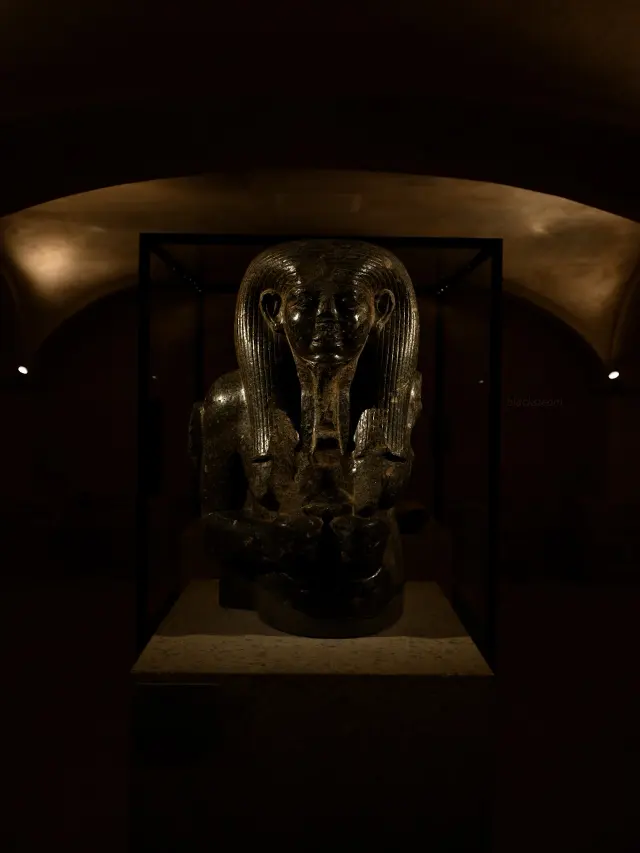
 Discovering ancient Egyptian artifacts at the Neues Museum in Berlin
#Museum
12 ideas
Discovering ancient Egyptian artifacts at the Neues Museum in Berlin
Get new #Museum ideas by email
Every Thursday: the week's best ideas, with the newest from #Museum.
Related tags
Museums: What They Are and Why They Matter
What a museum is
A museum is a place where objects of cultural, historical, artistic, or scientific value are collected, preserved, studied, and shown to the public. Museums help protect items that tell the story of people, places, and ideas. They can hold paintings, sculptures, tools, clothing, fossils, documents, photographs, household objects, and much more. In this way, a museum is both a storehouse of memory and a space for learning.
Museums come in many forms. Some focus on art, while others are dedicated to history, archaeology, natural history, science, design, or local heritage. Some are large national institutions, and others are small community museums that preserve the character of a town or region.
Where museums come from
Read more
The idea of collecting and displaying meaningful objects is very old. People have long gathered rare, beautiful, or important things for private study, worship, or prestige. Over time, these collections became more organized and open to wider audiences. Modern museums developed as public institutions that could educate, inspire curiosity, and protect cultural heritage.
Today, museums continue to serve that purpose. They help visitors encounter objects in context, so a single item can reveal something about a whole civilization, time period, or way of life.
Common types of museums
- Art museums display paintings, drawings, sculpture, and decorative objects.
- History museums explore events, daily life, and social change.
- Archaeology and heritage museums present objects from ancient or historic sites.
- Natural history museums show specimens from the natural world, such as rocks, animals, plants, and fossils.
- Science and technology museums explain how things work through instruments, machines, and hands-on exhibits.
- Local museums focus on the stories and traditions of a specific place.
Some museums are arranged around a single collection, while others combine several subjects. Many also include temporary exhibitions, educational programs, and archives.
How to enjoy a museum visit
If you are new to museums, it helps to begin slowly. You do not need to see everything at once. Choose one section, read the labels, and take your time with a few objects that catch your attention. A museum visit is often more rewarding when you pause and look carefully rather than rushing through the galleries.
A few practical tips can make the experience easier:
- Wear comfortable shoes if you expect to walk a lot.
- Take breaks when you need them.
- Read the introductory text in each gallery to understand the theme.
- Ask questions if staff or guides are available.
- Be respectful of objects, barriers, and quiet spaces.
Why museums are valuable
Museums preserve fragile things that might otherwise be lost, damaged, or forgotten. They also give meaning to objects by placing them in context and telling the stories behind them. For you, a museum can be a place of calm observation, curiosity, and discovery. Whether you are interested in ancient civilizations, family history, art, or science, museums offer a way to connect with the wider world through real objects and shared human experience.
#Museum: frequently asked questions
How should I start visiting a museum if I’ve never been before?
Start with one gallery or collection instead of trying to see everything at once. Read the introductory text, look closely at a few objects that interest you, and take your time so the visit feels manageable and enjoyable.
What should I bring or prepare for a museum visit?
Comfortable shoes are usually the most helpful thing if you expect to walk a lot. It also helps to check the museum’s focus ahead of time so you can choose the sections that match your interests, whether that is art, history, science, or local heritage.
How do I choose the right kind of museum to visit?
Choose based on what you want to learn or experience. Art museums, history museums, natural history museums, science museums, and local museums each offer a different way to explore objects and stories.
What is the best way to enjoy museum objects without rushing through them?
Pause and look carefully at the details, labels, and context around each piece. A single object can reveal a lot when you give yourself time to notice what it is, where it came from, and why it matters.
What are common mistakes people make in museums?
A common mistake is trying to see too much in one visit, which can make the experience tiring and less memorable. Another is ignoring the gallery introductions or the rules around barriers and quiet spaces, which can make it harder to understand and respect the collection.
Videos come from YouTube and posts from Instagram; titles and summaries are our own. All rights belong to their creators.