 Five Day Travel Vlog Exploring Art Museums and Cafes in Mexico City
#Neighborhoods
4 ideas
Five Day Travel Vlog Exploring Art Museums and Cafes in Mexico City
 Exploring Bel Air and Beverly Hills Neighborhoods
 Ultimate New York City Travel Guide: Top Neighborhoods to Explore
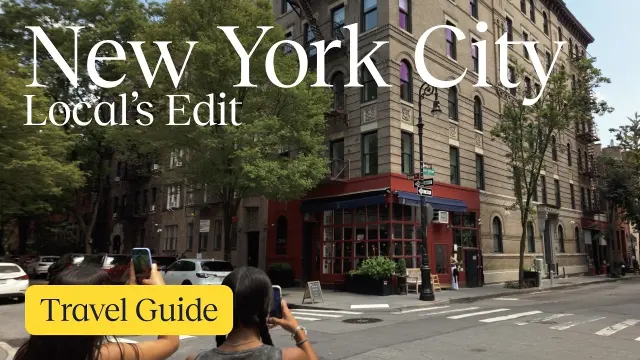 New York City Must-See Neighborhood Travel Guide and Local Secrets
Get new #Neighborhoods ideas by email
Every Thursday: the week's best ideas, with the newest from #Neighborhoods.
Related tags
Neighborhoods: What They Are and Why They Matter
Neighborhoods are the smaller parts that make up a town or city. They are more than just lines on a map. A neighborhood is a place where homes, shops, parks, schools, cafés, and everyday routines come together to create a local identity. Some neighborhoods feel quiet and residential, while others are busy, creative, historic, or strongly tied to a certain community.
What a neighborhood is
A neighborhood is usually understood as a local area with its own character, even when its borders are not officially defined. Some are planned carefully, with wide streets and similar houses. Others grow over time, so they feel layered and varied. You may notice that people describe neighborhoods by landmarks, main streets, or the kind of life found there rather than by exact boundaries.
Neighborhoods help shape how people live day to day. They influence how far you walk for groceries, where children play, what kinds of local businesses you see, and how connected you feel to the area around you.
Read more
Where neighborhoods come from
Most neighborhoods develop gradually. They may begin as farming land, a village, a port area, a market district, or a settlement around a road, station, or river crossing. As cities expand, new homes and services are added, and old areas change with time. This is why many neighborhoods have a mix of building styles, traditions, and uses.
Some neighborhoods are known for one particular character, such as a historic center, a student area, a business district, or a residential quarter. Others are more mixed, with families, workers, visitors, and small businesses sharing the same streets.
Main kinds of neighborhoods
There is no single way to divide neighborhoods, but a few broad types are common:
- Residential neighborhoods, where homes are the main feature
- Commercial neighborhoods, with many shops, offices, and services
- Historic neighborhoods, often known for older buildings and preserved streets
- Cultural neighborhoods, shaped by particular communities, traditions, or arts
- Mixed-use neighborhoods, where people live, work, and shop in the same area
Many neighborhoods belong to more than one of these groups at once.
What to notice when exploring one
If you are visiting or choosing a neighborhood, pay attention to more than the appearance of the buildings. Notice how easy it is to get around, whether there are places to meet, and what daily life feels like. A neighborhood can seem very different depending on the time of day or the season of life you are in.
- Walk a few streets beyond the main road to get a fuller sense of the area
- Look for local shops, parks, libraries, markets, and community spaces
- Notice noise levels, foot traffic, and the pace of the streets
- Observe how people use the area: for commuting, relaxing, socializing, or running errands
- Think about whether the neighborhood feels practical, lively, calm, or familiar to you
Why neighborhoods matter
Neighborhoods give cities their human scale. They make large places feel more personal and easier to understand. They can also build belonging, because people often identify strongly with the place where they live, work, or spend time. A neighborhood can be a center of memory, routine, and local pride.
If you are exploring neighborhoods in a city, take your time. The best way to understand one is to notice how it lives: in the streets, the shops, the homes, and the rhythm of ordinary days.
#Neighborhoods: frequently asked questions
How do I start exploring a neighborhood if I only have a short time?
Begin with the main streets, then take a few side streets to see how the area really feels. Look for everyday places like parks, cafés, shops, and community spaces, since they often tell you more than the most visible landmarks.
What should I pay attention to when choosing a neighborhood to live in or visit?
Think about how easy it is to get around, what the street life feels like, and whether the area seems calm, lively, or practical for your needs. It also helps to notice the mix of homes, services, and public places, because that shapes daily life.
Which kind of neighborhood is best for me: residential, commercial, historic, cultural, or mixed-use?
It depends on the kind of experience you want. Residential areas are usually quieter, commercial areas are busier and more service-focused, historic and cultural areas often have stronger character, and mixed-use neighborhoods offer a balance of living, working, and social activity.
What makes a neighborhood feel welcoming and well cared for?
A well-loved neighborhood usually has clean, active streets, useful local services, and spaces where people can gather comfortably. Small details like maintained sidewalks, visible daily activity, and a mix of local businesses often make an area feel inviting.
What are some common mistakes people make when judging a neighborhood?
One common mistake is only looking at the busiest street and assuming that represents the whole area. Another is focusing only on appearance instead of noticing noise, walkability, and how people actually use the streets at different times of day.
How can I find a neighborhood that matches a travel mood or occasion?
If you want inspiration for a trip, choose a neighborhood based on the feeling you want, such as creative, historic, relaxed, or energetic. For example, an area with cafés and small shops may suit a slower day, while a cultural or busy district may be better for exploring and people-watching.
Videos come from YouTube and posts from Instagram; titles and summaries are our own. All rights belong to their creators.