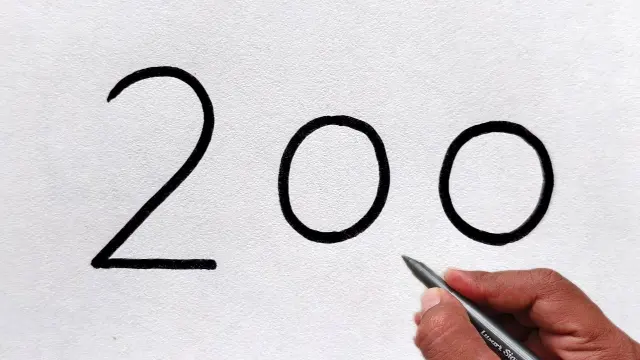
 Creative Number Art: Turning Number 200 Into a Parrot
#Number Art
2 ideas
Creative Number Art: Turning Number 200 Into a Parrot
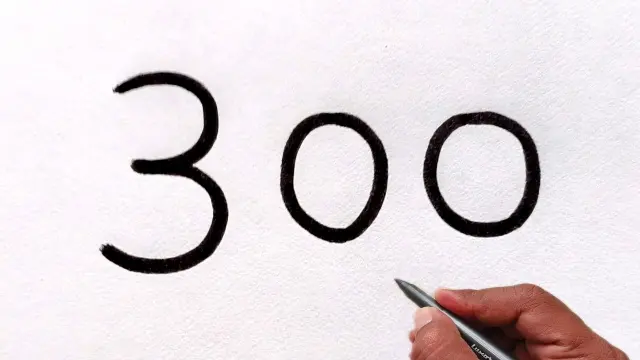 Creative Number Drawing: Turning Number 300 Into a Cat
Get new #Number Art ideas by email
Every Thursday: the week's best ideas, with the newest from #Number Art.
Related tags
Number Art: Drawing with Numbers
Number art is a simple creative idea: you use numbers as the starting point for a picture, pattern, or design. Instead of treating digits only as symbols for counting, you turn them into shapes, characters, animals, objects, or decorative compositions. It is a friendly form of drawing because it begins with something familiar and gives you a clear structure to build from.
At its core, number art sits between lettering, doodling, and illustration. You may sketch around a number, add lines and curves to transform it, or combine several digits into one finished image. A “2” might become a swan, a “3” might suggest a butterfly, and a “0” can become an eye, a balloon, or a face. The appeal is that the number stays partly visible, so the final image feels clever and playful.
What number art can be
Number art can take many forms. Some artists use it for simple children’s drawings, where each digit turns into a recognizable animal or object. Others create more decorative work, building repeated number patterns, stylized posters, or abstract compositions from rows of digits. It can also be used in handmade cards, classroom activities, journal pages, and personalized gifts.
Read more
A common approach is transformation art, where you let the shape of the number guide the drawing. Another is pattern art, where numbers are repeated to create rhythm and texture. You can also use numbers as part of a larger illustration, letting them blend into the background or become hidden within the image.
How to begin
If you are new to number art, start with bold, simple numbers. Choose a single digit and look at its curves, angles, and empty spaces. Ask yourself what those shapes remind you of. A circle may suggest a head, wheel, or eye; a long line may become a beak, neck, branch, or leg.
Begin lightly in pencil so you can adjust the shape as you go. Try adding one feature at a time rather than planning the whole picture at once. Often, the best results come from keeping the original number readable while enhancing it with a few well-placed details.
Useful techniques
- Keep the number as the main structure and build the drawing around it.
- Use symmetry when a number naturally supports it, especially in decorative designs.
- Repeat the same digit to make borders, textures, or backgrounds.
- Combine numbers with simple shapes such as circles, triangles, and lines.
- Outline your finished drawing more firmly once the basic idea works.
Tips for better results
Start with numbers that have a clear silhouette. Thick, simple handwriting often works better than very thin or ornate digits. Leave enough space around the number so you can add features without crowding the design. If you want a cleaner result, use one line style throughout the drawing. If you want a more playful look, mix curves, patterns, and expressive details.
Number art is especially enjoyable because it invites experimentation. There is no single correct way to do it. You only need a number, a little imagination, and the willingness to see an ordinary digit as the beginning of something new.
#Number Art: frequently asked questions
Do I need to be good at drawing to try number art?
Not at all — the whole point is that the digit gives you a ready-made structure, so you are decorating a shape rather than inventing one from nothing. If you can write a recognizable numeral, you already have the hardest part done, and the rest is just adding features step by step. Many people find it easier than freehand drawing because the starting point is familiar and the proportions are already set.
What supplies do I actually need to start?
Paper and a pencil are enough to begin, since working lightly lets you adjust the shape before committing to it. Once the idea holds together, go over the lines with a pen or marker, or add color with whatever you have on hand. A slightly thicker writing tool helps, because bold, simple digits are easier to build into a picture than thin, fussy ones.
Should I turn the number into a picture or use it as a pattern?
It depends on what you enjoy: transformation art lets the curve of a single digit suggest an animal, face, or object, while pattern art repeats digits to build texture, borders, or a background. Transformation suits beginners and gifts because one clear idea finishes quickly, whereas repeating numbers rewards patience and a steady hand. Many people start with one and drift into the other once they see how the shapes behave.
How do I keep the drawing from getting messy as I add details?
Leave breathing room around the numeral and add one feature at a time instead of planning the whole scene up front. Sticking to a single line style throughout makes the result look deliberate, while mixing styles is better saved for work you want to feel loose and playful. If a detail starts crowding the digit, erase it rather than layering more on top.
What occasions work well for number art?
It shines for handmade cards, journal pages, classroom activities, and personalized gifts, since a meaningful digit can be woven into the design. Kids especially enjoy turning digits into animals and objects, which makes it a good rainy-day or party activity. Because the finished piece is personal and quick to make, it also works nicely for decorating a notebook or a small framed keepsake.
What is the most common mistake beginners make?
The usual trap is choosing a thin, elaborate digit or covering it so completely with decoration that the original numeral disappears. Picking a simple, chunky shape and keeping it partly visible is what gives the drawing its cleverness. Working in pencil first and outlining only when the idea feels right prevents most of the frustration.
Videos come from YouTube and posts from Instagram; titles and summaries are our own. All rights belong to their creators.