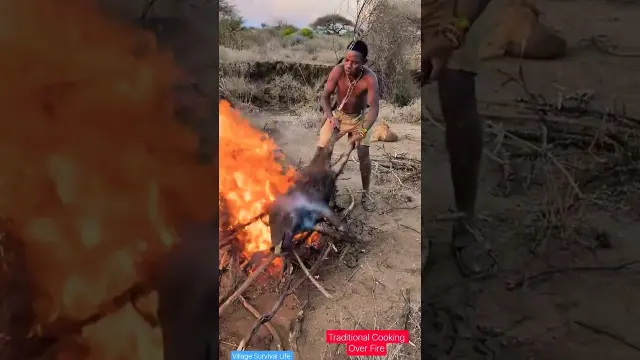
 Traditional Outdoor Cooking Over a Wood Fire
#Open Fire
2 ideas
Traditional Outdoor Cooking Over a Wood Fire
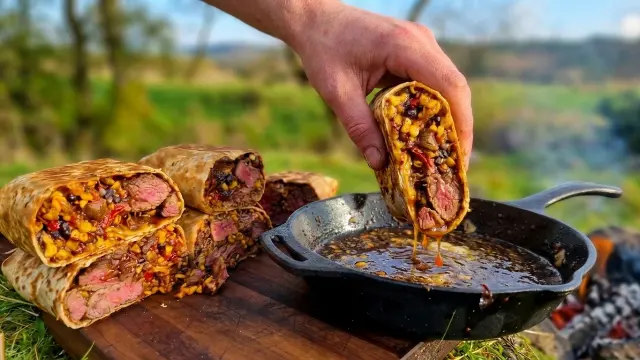 Juicy Ribeye Steak Burritos Cooked Over an Open Campfire
Get new #Open Fire ideas by email
Every Thursday: the week's best ideas, with the newest from #Open Fire.
Related tags
Open Fire Cooking: A Beginner's Guide to Cooking Over Flames
Cooking over an open fire is one of the oldest ways of preparing food, and one of the most satisfying. Long before ovens and stovetops existed, people cooked over burning wood or glowing embers, and the technique survives today in campfire suppers, beach barbecues, backyard fire pits and slow weekend gatherings. What makes it distinctive is that the fuel and the heat source are the same thing: you are cooking on live fire, and the fire itself becomes part of the craft.
The appeal is not only practical. Food cooked over wood picks up smoke, and smoke is a flavour in its own right — subtle with a bright, quick fire, deeper and more resinous when coals are allowed to burn low. Open-fire cooking also slows you down. You build the fire, wait for it to settle, and cook in the rhythm the flames allow, which is a large part of why people find it restful.
The fire, not the flame
The most important lesson for beginners is that flames are for looking at, not for cooking on. What actually cooks food evenly is the bed of glowing embers that forms once the wood has burned down. Flames are uneven, sooty and far hotter in one spot than another, which is why food held directly in them tends to scorch outside while staying raw within.
Read more
Build a fire with dry wood of mixed sizes, let it burn until the logs collapse into coals, then spread those coals with a stick to create zones of different heat: a dense pile for searing, a thinner scatter for gentler cooking, and a clear patch with no coals at all where food can rest or be kept warm. Learning to read and rearrange the coals is the real skill, and it takes only a few fires to get the feel of it.
Ways to cook in it
There are several broad approaches, and most outdoor meals use one or more of them:
- Direct cooking: food set on a grill grate or skewered above the coals, suited to quick items such as vegetables, flatbreads and cuts of meat that benefit from a crisp exterior.
- Ember cooking: food nestled directly into or under the coals, traditionally used for potatoes, corn and whole vegetables, often wrapped first.
- Hanging and suspension: pots or joints suspended above the fire on a tripod or adjustable hook, letting you raise or lower the food to control heat.
- Foil and packet cooking: ingredients sealed with seasoning and cooked in the embers, convenient for mixed vegetables or fish.
- Dutch oven baking: a heavy lidded pot surrounded by coals top and bottom, capable of stews, breads and desserts.
Practical points for beginners
Start small. A modest fire is easier to manage than a large one, and you can always add wood. Bring food to room temperature before cooking so it responds evenly, and keep portions reasonably thin so the inside cooks before the outside burns. Season simply; smoke does much of the work.
Keep a spray bottle of water and a clear, bare area beside the fire for safety, and never leave flames unattended. Use long-handled tools, keep loose sleeves and hair away from the fire, and remember that coals stay dangerously hot long after the flames die. Choose a spot away from overhanging branches and dry grass, and follow whatever rules apply where you are.
Clean grates while still warm, dispose of ash only when fully cold, and put the fire out completely with water and stirring before you leave it.
#Open Fire: frequently asked questions
How do I start cooking over an open fire?
Begin with a small fire built from dry wood in a mix of sizes, and let it burn until the logs fall apart into a bed of glowing embers. Then spread those coals out with a stick so you have a hot pile for searing, a thinner layer for gentler cooking, and a bare patch for resting food. Starting modestly matters, because it is far easier to add wood than to tame a fire that has grown too big.
Do I need special equipment to cook this way?
Nothing elaborate is required — a simple grill grate, some long-handled tongs, and a spray bottle of water will cover most meals. A heavy lidded pot is worth having if you want to bake or make stews in the coals, and foil is handy for packet cooking. Everything else is optional, and beginners do fine with very little.
Should I cook over the flames or the coals?
The coals, always — flames are for looking at rather than cooking on. A flame is uneven and sooty, so food held in it tends to blacken on the outside while staying raw inside. Wait for the wood to burn down into embers, and you get steady, even heat that browns food properly.
How do I control the heat once the fire is going?
Control comes from the coals rather than the flames, so learn to rearrange them as you cook. Push them together for intense heat, scatter them thinner for a gentler temperature, or move food to a clear patch to slow it down. If you are using a tripod or adjustable hook, raising and lowering the pot does the same job.
What mistakes do beginners usually make?
The common one is rushing — cooking while the fire is still flaming instead of waiting for coals to form. Others are building a fire much larger than the meal needs, putting cold thick pieces straight on, and crowding the grate so nothing browns. Keep portions fairly thin, let food come to room temperature first, and season lightly since smoke supplies much of the flavour.
How do I put an open fire out safely?
Douse it thoroughly with water and stir the ashes so any hot pockets are exposed, repeating until nothing steams or hisses. Leave the ash to cool completely before disposing of it, and never assume embers are out just because the flames have gone. Keep loose hair and sleeves clear of the fire while you work, and never leave it unattended.
Videos come from YouTube and posts from Instagram; titles and summaries are our own. All rights belong to their creators.