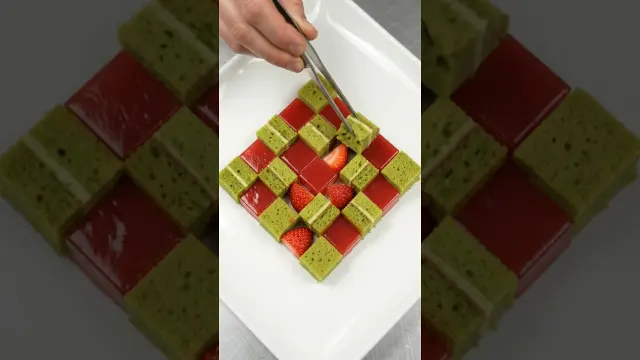
 Gourmet Pastry Presentation and Plating Ideas
#Pastry Art
16 ideas
Gourmet Pastry Presentation and Plating Ideas
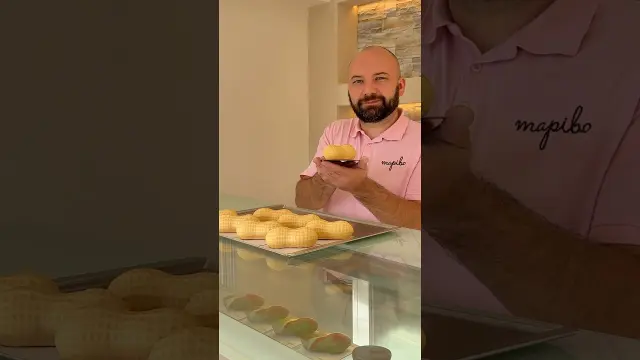 Trompe-l'oeil peanut dessert art from a patisserie
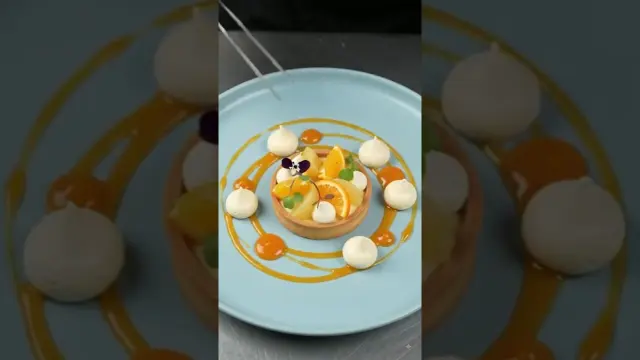 Michelin Star Level Pastry Plating Ideas
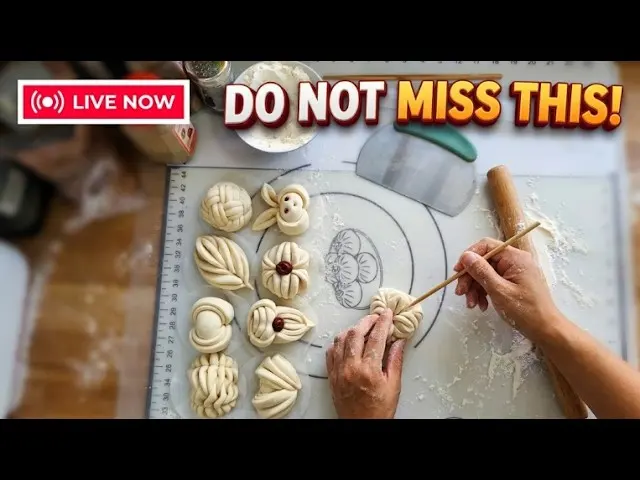 Traditional Chinese pastry shaping with lotus and peach buns
 Pastry Students Recreate A Giant Chocolate Panda Sculpture
 Crafting The Nightmare Before Christmas Characters In Chocolate
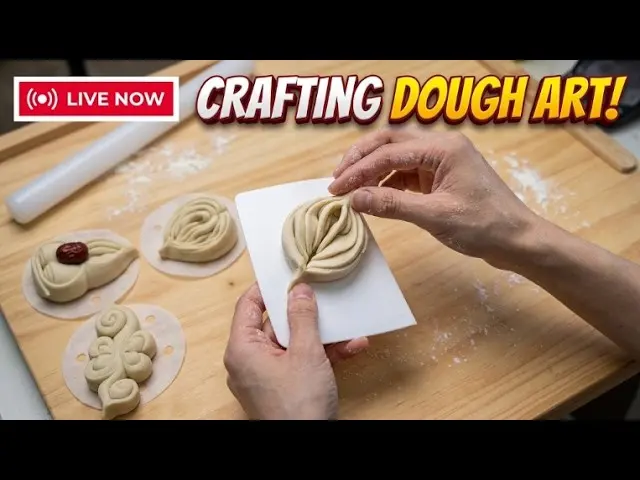 Slow dough art with ruyi clouds and floral mantou shaping
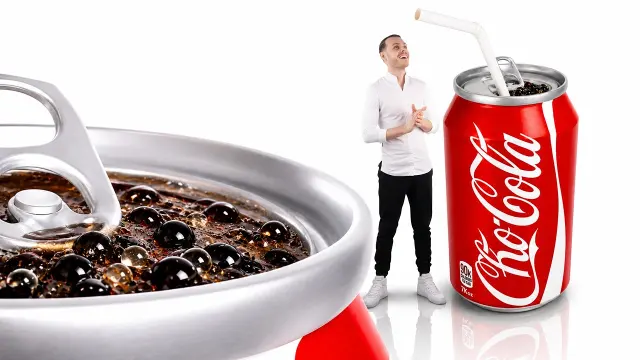 Turning A Coca-Cola Can Into An Edible Chocolate Creation
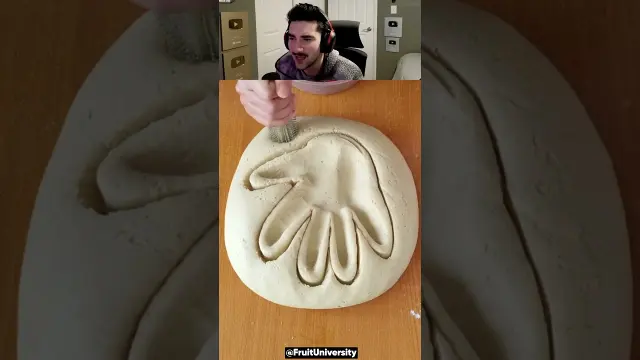 Beautiful pastry art creation with Fruit University
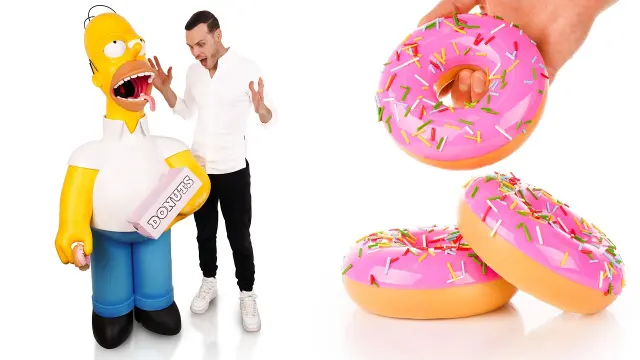 Building A Life-Sized Homer Simpson Sculpture Out Of Chocolate
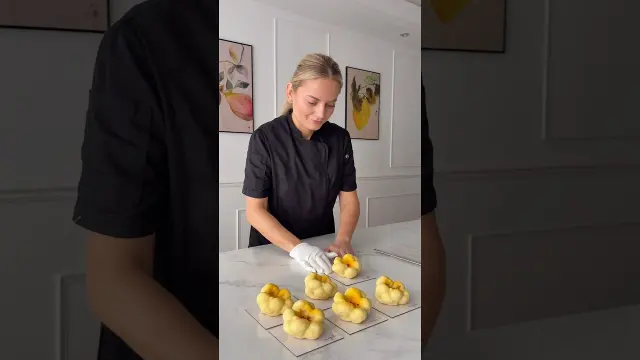 Trompe-l'oeil popcorn dessert art in patisserie style
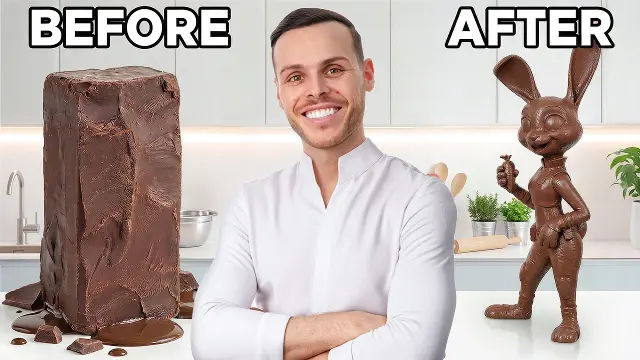 Sculpting Zootopia Judy Hopps Entirely Out of Chocolate
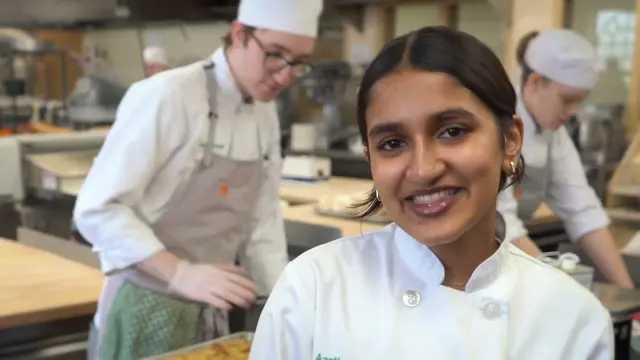 Inside baking and pastry arts classes at the Culinary Institute
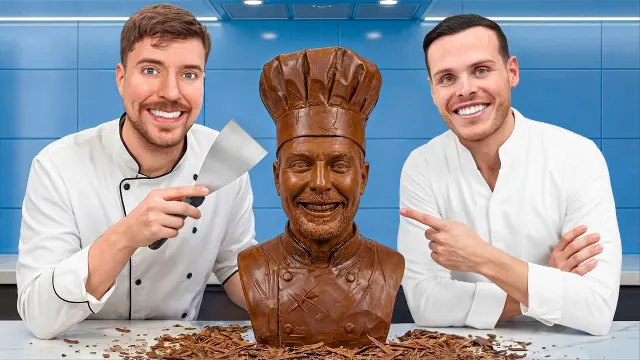 Crafting A Gigantic Chocolate Heart For Valentine Day
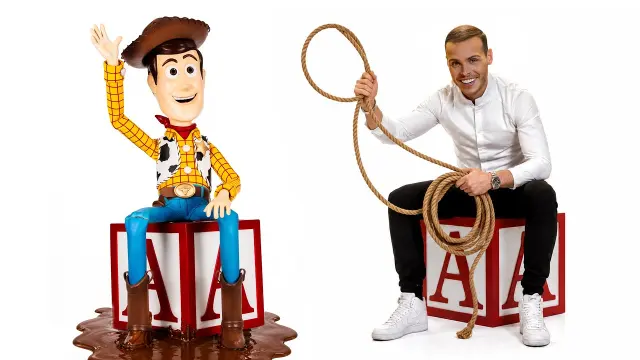 Sculpting A Giant Woody From Toy Story Entirely Out Of Chocolate
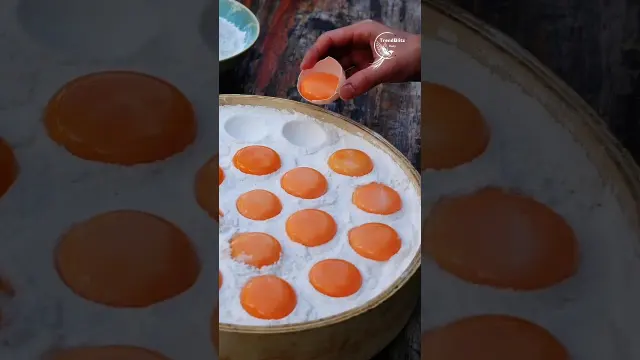 Handmade lotus flower pastry with delicate layered shaping
Get new #Pastry Art ideas by email
Every Thursday: the week's best ideas, with the newest from #Pastry Art.
Related tags
Pastry Art: Creative Decorating and Sculpting
What pastry art is
Pastry art is the creative side of baking, where doughs, creams, glazes, chocolate, sugar, and other edible materials are shaped into something beautiful as well as delicious. It can be as simple as a neat finish on a tart or as elaborate as a sculpted display piece made for special occasions. At its heart, pastry art combines craft, precision, and imagination.
This tradition grows out of classical pastry work, where presentation has always mattered alongside flavor and texture. Over time, bakers and pastry chefs have developed many ways to turn sweets into decorative pieces, from fine piping and hand-shaped flowers to molded chocolate, spun sugar, and layered entremets.
Common forms and styles
Read more
Pastry art covers a wide range of techniques and styles. Some are delicate and refined, while others are bold and sculptural.
- Piping: Using a bag and nozzle to add borders, writing, rosettes, shells, and lace-like details.
- Glazing and finishing: Creating shiny surfaces with icing, ganache, mirror glaze, or fruit glaze.
- Sugar work: Heating and shaping sugar into ribbons, petals, cages, or decorative clear pieces.
- Chocolate work: Tempering, molding, dipping, piping, and sculpting chocolate into decorations or centerpieces.
- Lamination and shaping: Building visual patterns with puff pastry, croissants, Danish pastries, and other layered doughs.
- Molding and assembly: Using molds, cutters, and stacked components to create display desserts or decorative showpieces.
Some pastry art aims for a clean, elegant look. Other styles are playful, whimsical, or highly detailed. The best approach depends on the occasion, the skill level, and the type of dessert being made.
What beginners should know
If you are new to pastry art, start with simple shapes and one technique at a time. A neat finish is often more impressive than an overly ambitious design that falls apart.
A few basics help a lot:
- Work with the right texture: icing that is too soft, chocolate that is not set, or dough that is too warm can be difficult to shape.
- Keep tools simple: a piping bag, a few nozzles, offset spatula, palette knife, and small cutters can go a long way.
- Practice on parchment first: this helps you test piping pressure and design ideas without pressure.
- Use symmetry and repetition: many pastry designs look polished because they repeat the same shape or line consistently.
- Chill when needed: many decorative elements hold better when cooled before assembly.
- Plan the structure: taller or heavier decorations need a stable base.
Practical tips for better results
Start with one focal point and keep the rest of the design balanced. Too many decorations can make a pastry look cluttered. Think about color, contrast, and height, but let flavor guide the final result as well.
If you want to improve, practice separately: one day for piping, another for chocolate, another for glazing. You will learn faster by mastering small skills before combining them.
Above all, pastry art rewards patience. Clean edges, careful handling, and steady repetition matter more than speed. With practice, you can turn simple baked goods into elegant edible pieces that feel both personal and memorable.
Videos come from YouTube and posts from Instagram; titles and summaries are our own. All rights belong to their creators.