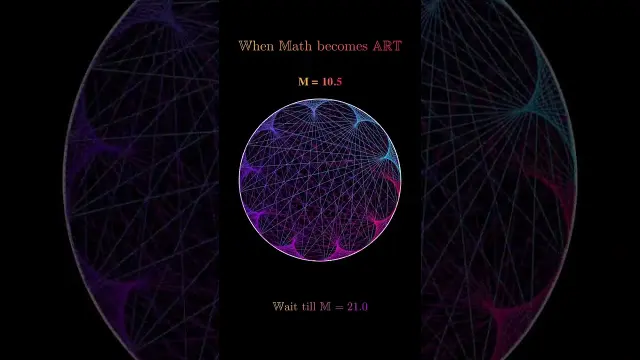
 Exploring Multiplication Circle Patterns and Infinite Geometry
#Patterns
3 ideas
Exploring Multiplication Circle Patterns and Infinite Geometry
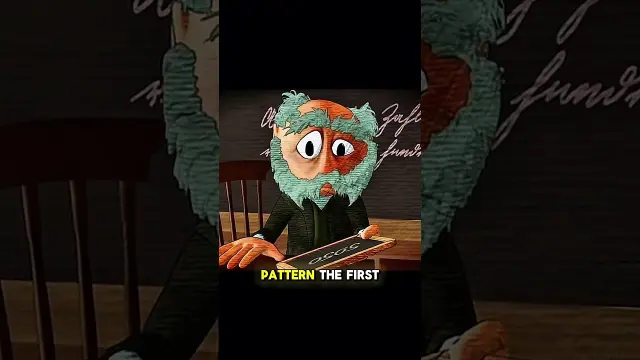 How Young Carl Gauss Outsmarted His Math Teacher
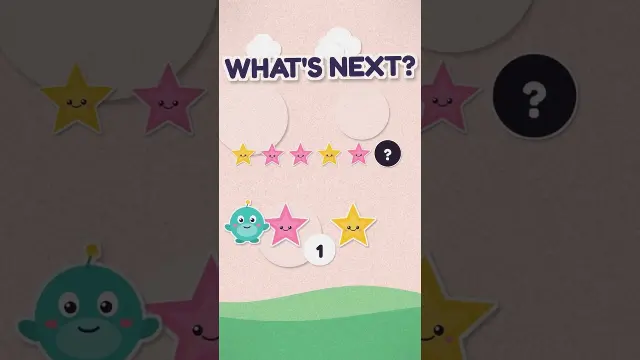 Finish the Pattern Interactive Toddler Math Game
Get new #Patterns ideas by email
Every Thursday: the week's best ideas, with the newest from #Patterns.
Related tags
Patterns: Repetition in Design and Everyday Life
Patterns are arrangements that repeat in a regular or recognizable way. You see them everywhere: in fabric prints, wallpaper, tiles, knitting, wrapping paper, nature, and even in numbers and music. At their simplest, patterns create order. At their most elaborate, they can make a surface feel lively, elegant, playful, or calm.
In visual design, a pattern is usually made from one or more motifs repeated across a space. The motif may be a shape, flower, stripe, dot, geometric form, or illustrated figure. Some patterns are strict and symmetrical, while others feel looser and more organic. Repetition is the key, but variation matters too. A slight shift in scale, spacing, or color can completely change the mood.
Patterns have a long history in decorative arts and everyday objects. They appear in woven textiles, embroidery, pottery, architecture, and handmade paper goods. Many traditional patterns grew from practical techniques such as weaving, printing, carving, or stitching. Because of that, patterns often carry a sense of craftsmanship and cultural identity. When you use them in your own home or projects, you are also working with a very old visual language.
There are many kinds of patterns. Geometric patterns rely on lines, circles, grids, and repeating shapes. Floral patterns use leaves, petals, and vines. Abstract patterns may use freeform marks, brushstrokes, or irregular shapes. Repeating character patterns can feel story-like and whimsical, while striped or checked patterns are more structured and familiar. In crafts and design, you may also hear about all-over patterns, borders, repeats, and motif clusters.
Read more
If you are new to using patterns, start with one clear goal. Do you want something bold and energetic, or quiet and balanced? Large-scale patterns tend to make a strong statement, while smaller repeats often feel softer and easier to live with. Color is just as important as the motif itself. A pattern in a few restrained colors usually feels calmer than the same design in many bright shades.
A few simple tips can help:
- Combine patterns carefully. If you mix more than one, vary the scale so they do not compete.
- Let one pattern lead. Use a dominant print and support it with quieter textures or solids.
- Check contrast. Strong contrast makes a pattern stand out; low contrast makes it fade into the background.
- Think about placement. A pattern on a small object can feel more playful than the same print on a large surface.
- Test from a distance. A design that looks busy up close may read as calm when seen across a room or garment.
Patterns also have a useful side beyond decoration. In learning, pattern recognition helps children notice sequences, shapes, and relationships. In art and making, it trains the eye to see rhythm, balance, and repetition. Whether you are choosing a print, designing a room, or making something by hand, patterns give you a way to bring structure and personality together.
Videos come from YouTube and posts from Instagram; titles and summaries are our own. All rights belong to their creators.