 How to Care for a Store-Bought Anthurium: Light, Water and Soil
#Plant Care Tips
16 ideas
How to Care for a Store-Bought Anthurium: Light, Water and Soil
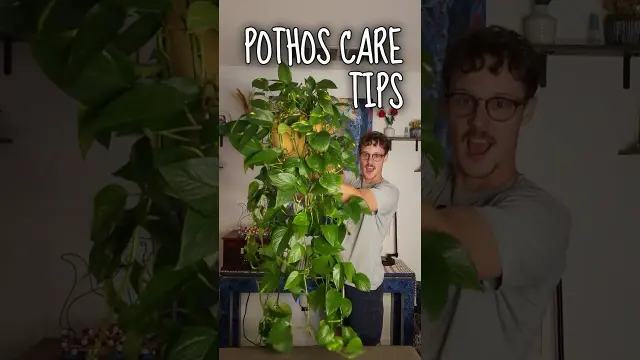 Pothos Care in 30 Seconds: Fix Leggy Vines and Root Rot
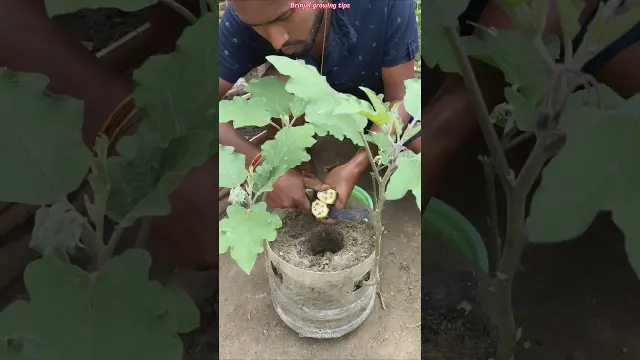 Brinjal Care: Pruning, Organic Compost and Banana Stem Mulch
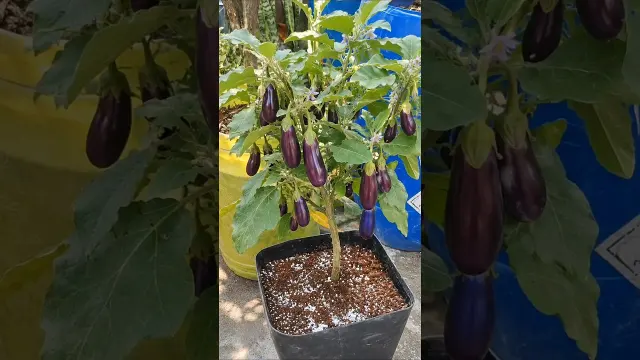 Caring for Eggplant Plants with Potash and Mustard Cake Fertilizer
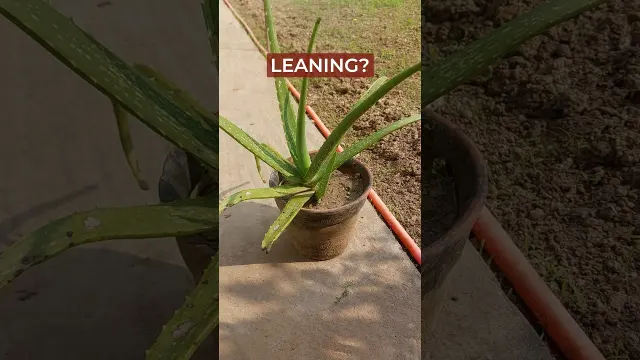 How to Fix a Leaning Aloe Vera Plant and Straighten It Out
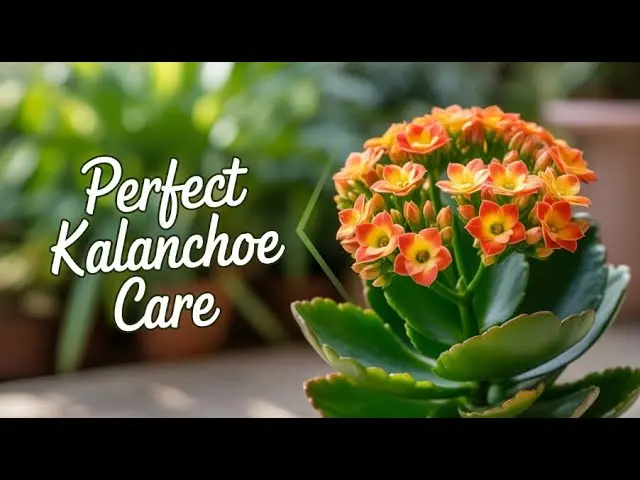 Kalanchoe Care Guide: Watering, Pruning and Repeat Blooming
 Five Tulsi Care Fixes for Yellow Leaves and Bare Stems
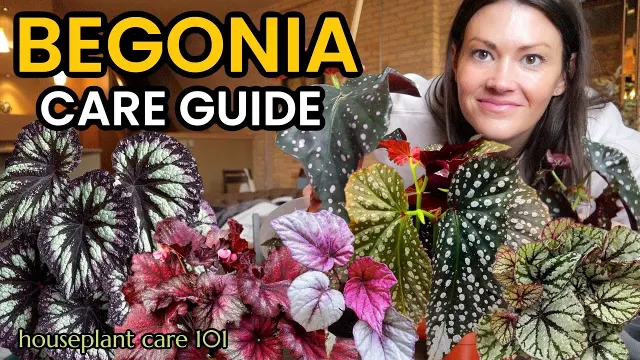 Begonia Houseplant Care: Watering, Repotting, Soil and Light
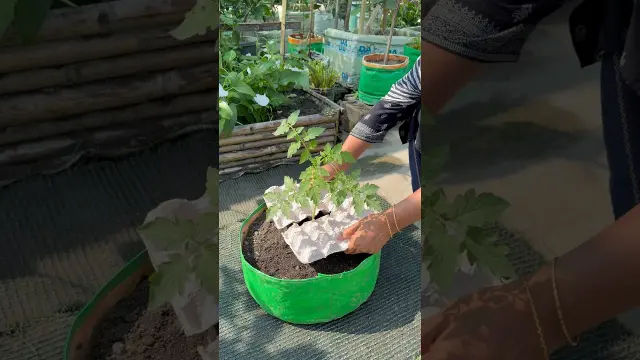 Using Egg Cartons as Mulch to Keep Tomato Soil Moist
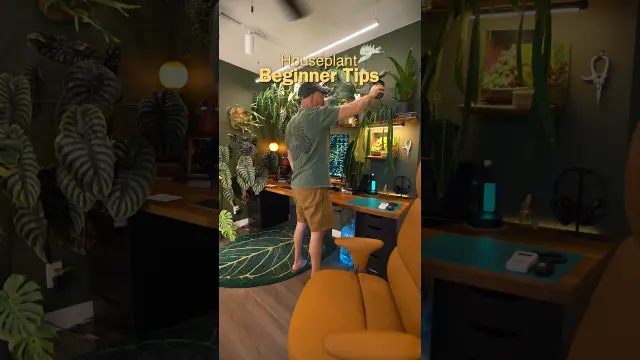 Houseplant Basics for Beginners: Light and Watering Frequency
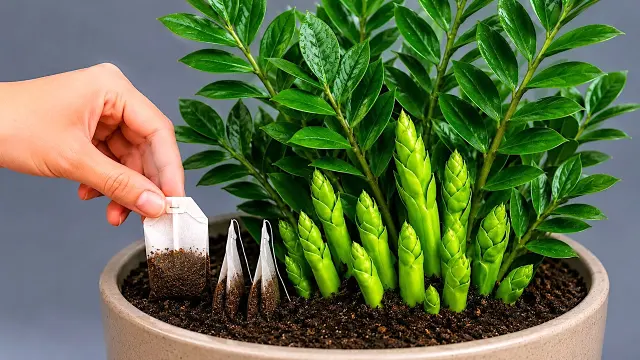 ZZ Plant Care: Watering, Light and Fertilizer Tips for Beginners
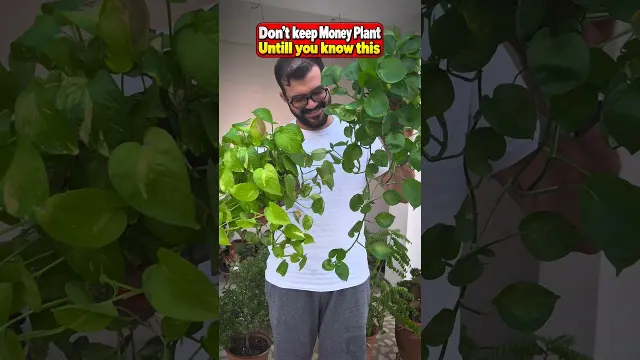 Money Plant Care: Pot, Soil, Fertilizer, Light and Pruning
 Turning a Four Dollar Clearance Calathea Into a Showpiece
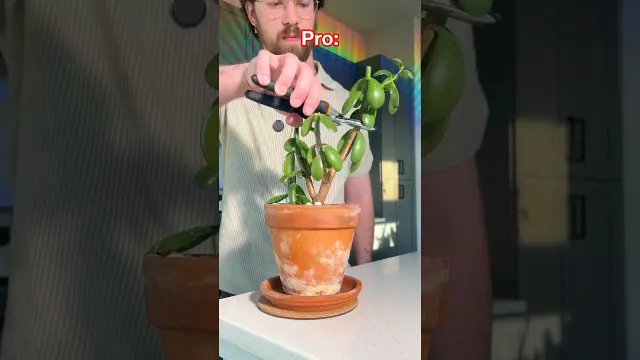 Beginner Versus Pro Plant Parent: Houseplant Care Compared
 The Common Houseplant Mistake That Kills Plants
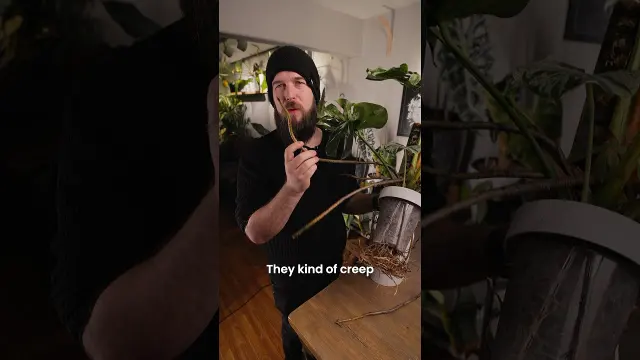 Should You Trim Monstera Aerial Roots? A Short Care Tip
Get new #Plant Care Tips ideas by email
Every Thursday: the week's best ideas, with the newest from #Plant Care Tips.
Collections
Related tags
Plant Care Tips for Healthy Houseplants
Understanding plant care
Plant care is the everyday practice of helping a plant grow well in the conditions you can provide. For indoor plants, that usually means paying attention to light, water, soil, humidity, temperature, and container drainage. Different plants come from different natural habitats, so care is never exactly the same for every species. A succulent, a fern, and a tropical climbing plant all need different routines, even if they live in the same room.
The most useful habit for beginners is to observe the plant itself. Leaves, stems, and soil often tell you more than a fixed watering schedule ever could. A plant that is thriving usually has steady growth, good color, and firm leaves. When something changes, the plant is often giving you an early warning.
The main things to get right
Read more
Light is one of the most important factors. Some plants prefer bright indirect light, while others cope better with lower light. If a plant stretches toward the window, loses color, or grows slowly, it may need more light. If leaves look scorched or faded, the light may be too strong.
Watering is another common challenge. Most plants do best when the soil is watered thoroughly and then allowed to dry to the right level for that plant before watering again. Overwatering is often more harmful than slight dryness, because roots need both moisture and air. Always check the soil first instead of watering automatically.
Good drainage matters too. A pot should allow extra water to escape so roots do not sit in soggy soil. A loose, well-draining potting mix helps many houseplants stay healthy. Repotting may be needed when roots outgrow the pot or the soil becomes compacted.
Simple techniques that help
- Learn the basic needs of each plant instead of treating all houseplants the same.
- Check soil moisture with your finger before watering.
- Rotate pots occasionally so growth stays even.
- Remove yellowing or damaged leaves if they come away easily.
- Wipe dust from broad leaves so they can receive light more effectively.
- Watch for pests such as tiny insects, webbing, or sticky residue.
- Keep plants away from sudden cold drafts, heaters, or harsh direct sun unless the plant likes it.
Pruning and shaping
Pruning helps many plants grow more neatly and can encourage branching in some species. Use clean tools and make small, careful cuts. If a plant has long aerial roots, such as some climbing houseplants, you do not always need to remove them. They often help the plant anchor or absorb moisture in nature. You can usually leave them in place, guide them into the pot, or trim them only if they are in the way and the plant tolerates pruning well.
Building confidence
The best plant care routine is simple and consistent. Start with the basics, then adjust slowly as you learn how each plant responds. If a plant looks unhappy, change one thing at a time so you can tell what helped. With patience, you will start to notice patterns in watering, light, and growth, and plant care becomes much easier and more rewarding.
#Plant Care Tips: frequently asked questions
How do I get started with plant care as a complete beginner?
Start with one or two easygoing plants and learn their basic needs instead of treating every houseplant the same way. Spend the first few weeks simply observing how the plant responds to your light and watering, and change one thing at a time when something looks off. A simple, consistent routine beats an elaborate one you can't keep up.
How often should I water my indoor plants?
There is no universal schedule, because watering depends on the species, the pot size, and how much light the plant gets. Check the soil with your finger before watering and let it dry to the level that suits that particular plant. Water thoroughly, then wait rather than topping up automatically, since soggy soil harms roots more than short dryness does.
How do I choose the right plant for my home?
Look at the spot you have in mind first, then pick a plant that suits that light and temperature rather than the other way around. A bright windowsill, a shaded corner, and a draughty hallway call for very different plants. If you love a particular plant, check whether you can realistically give it the conditions it needs.
What should I do if a plant looks unhappy?
Read the signals: leaves that stretch toward the window or lose color usually mean too little light, while faded or scorched leaves suggest too much. Yellowing leaves and constantly damp soil often point to overwatering or poor drainage. Fix one factor at a time so you can tell which change made the difference.
Do I need to repot my houseplants?
Repot when roots crowd the surface or come out of the drainage holes, or when the potting mix has become compacted and stops absorbing water. Choose a loose, well-draining mix so excess water can escape freely. Outside of those signs, many plants are happy to stay put for a good while.
Should I cut off the aerial roots on a climbing houseplant?
Usually not, because those roots help the plant anchor itself and take in moisture, so they are a normal part of how it grows. You can leave them alone or guide them back into the pot if they look untidy. Trim them only when they are genuinely in the way and the plant handles pruning well.
Videos come from YouTube and posts from Instagram; titles and summaries are our own. All rights belong to their creators.