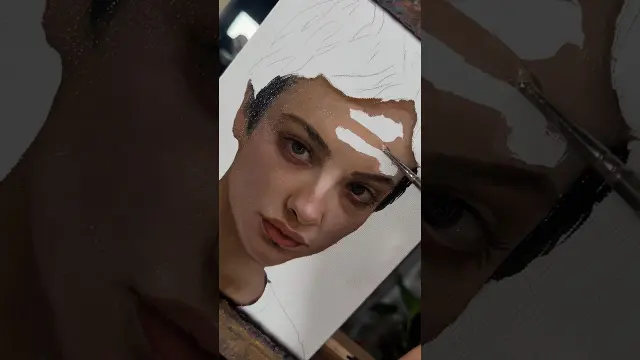
 Painting a Portrait Using Only Four Colours
#Portrait Drawing
4 ideas
Painting a Portrait Using Only Four Colours
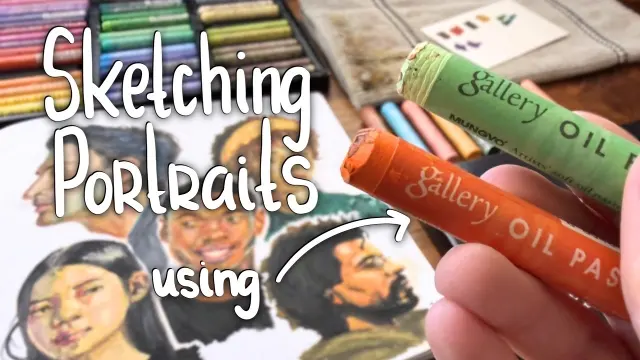 Sketching Portraits in a Sketchbook with Oil Pastels
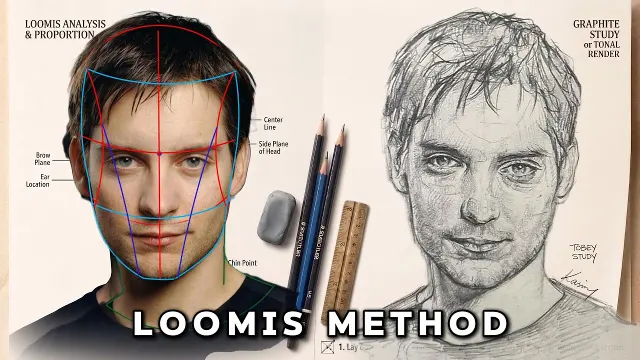 Learn Face Drawing Quickly Using the Loomis Method
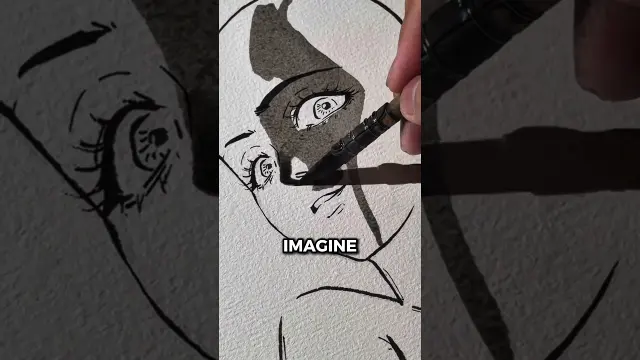 Manga Portrait Shadowing and Inking Art Process
Get new #Portrait Drawing ideas by email
Every Thursday: the week's best ideas, with the newest from #Portrait Drawing.
Related tags
Portrait Drawing Guide
What portrait drawing is
Portrait drawing is the art of depicting a person’s face, and sometimes the head, neck, and shoulders, in a way that captures both likeness and character. It has a long history in sketchbooks, studio practice, and finished artwork, and it remains one of the most rewarding subjects for artists to study. A portrait can be highly realistic, simplified, expressive, or stylized, but it usually aims to show the unique features and presence of a person.
Main approaches and styles
Portrait drawing can be done in many ways. Some artists focus on careful realism, observing proportions, light, and subtle details. Others prefer loose line work, strong shapes, or a more graphic look. You may also see portraits influenced by manga, illustration, caricature, or classical drawing traditions.
Read more
Common approaches include:
- Line drawing, where structure and contour are the focus
- Tonal drawing, where light and shadow build form
- Detailed realism, with careful attention to texture and likeness
- Stylized portraiture, where features are simplified or exaggerated
No matter the style, a good portrait usually depends on solid observation and clear structure.
What beginners should learn first
If you are new to portrait drawing, start with the head as a simple three-dimensional form. It helps to understand the overall shape before worrying about eyelashes, lips, or hair. The face is easier to place when you think in terms of planes, angles, and proportions rather than isolated features.
Useful beginner habits include:
- Sketch the head lightly before adding detail
- Compare the spacing between features instead of drawing each one separately
- Check the angle of the eyes, nose, and mouth against the overall head shape
- Use large shapes first, then gradually refine smaller ones
- Keep the drawing soft at the start so corrections are easy
A common mistake is trying to render individual features too soon. In portrait drawing, the likeness often comes from the relationship between parts, not from perfect details in one area.
Shading and form
Shading gives a portrait depth and helps the face feel three-dimensional. Light usually reveals the forehead, nose, cheeks, chin, and eye sockets in different ways. Rather than outlining every feature heavily, try to let light and shadow describe the form.
You can practice with:
- Soft graphite for gradual shading
- Charcoal for bold contrast and broad tones
- Pen or ink for crisp line-based portraits
- Mixed media if you want both structure and atmosphere
Pay attention to edges as well as shadows. Some parts of the face have soft transitions, while others have sharper changes in tone.
Useful practice tips
Portrait drawing improves through steady observation and repeated practice. Work from life, mirrors, photos, or imagination, and try not to rely on copying outlines alone. It helps to draw the same face several times, focusing on one thing at a time: proportions, value, expression, or hair.
A few practical tips:
- Warm up with quick head sketches
- Draw from different angles, not only front views
- Study expressions and how they change the face
- Save time for checking symmetry and alignment
- Step back often to see the portrait as a whole
Most of all, be patient with the process. Portrait drawing is both technical and expressive, and every sketch teaches you something about seeing people more clearly.
#Portrait Drawing: frequently asked questions
How do I start learning portrait drawing as a beginner?
Begin with the head as a simple three-dimensional form and focus on its overall shape before adding features. Sketch lightly, compare the spacing and angles of the eyes, nose, and mouth, and refine the drawing gradually instead of detailing everything at once.
What do I need to practice portrait drawing?
You can start with basic drawing tools such as graphite, charcoal, pen, ink, or mixed media, depending on the look you want. Just as important are good reference material, a sketchbook, and time spent observing faces from life, photos, mirrors, or imagination.
Which portrait drawing style should I choose?
Choose the style that matches your goal: realism for careful likeness, line drawing for clear structure, tonal drawing for depth, or stylized portraiture for a more expressive look. If you enjoy graphic art or manga-inspired work, you can also simplify or exaggerate features while still keeping the portrait recognizable.
How can I make a portrait look more like the person?
Likeness usually comes from the relationships between features, not from perfect detail in one area. Keep checking proportions, alignment, and the angles of the face as a whole, and use light and shadow to describe the structure rather than outlining every feature heavily.
What are some good portrait drawing ideas for a special occasion or gift?
A portrait can be a meaningful gift for a wedding, family celebration, or personal keepsake because it captures both appearance and character. You can make it more special by choosing a style that suits the occasion, such as a soft tonal portrait, a sketchbook-style drawing, or a more expressive stylized piece.
Videos come from YouTube and posts from Instagram; titles and summaries are our own. All rights belong to their creators.