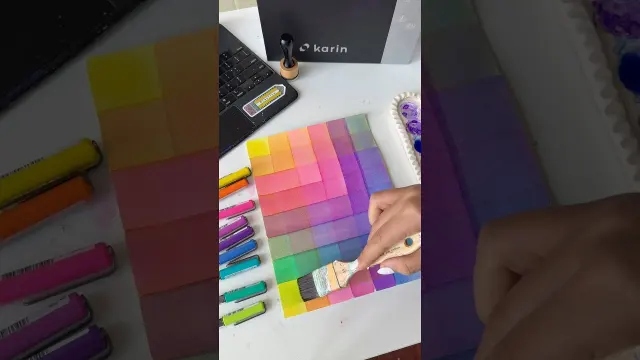
 A quick watercolor mandala for a creative reset
#Watercolor
3 ideas
A quick watercolor mandala for a creative reset
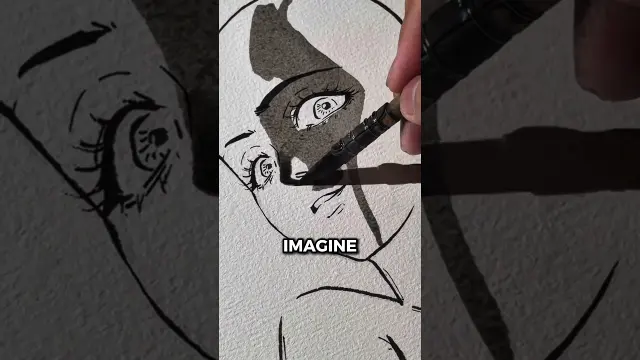 Manga Portrait Shadowing and Inking Art Process
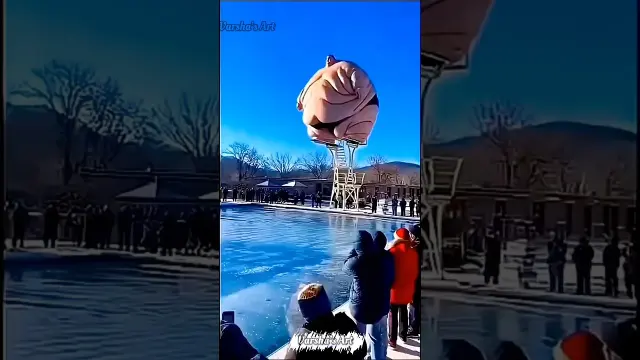 Lord Ganesha Pencil Sketch and Watercolor Art Process
Get new #Watercolor ideas by email
Every Thursday: the week's best ideas, with the newest from #Watercolor.
Related tags
Watercolor Painting Guide
Watercolor is a painting medium made with pigments suspended in a water-based binder. It is known for its transparency, soft edges, and luminous washes, and it has been used for centuries in sketches, studies, illustrations, botanical art, landscapes, and finished paintings. Because the paint can be built up in layers or allowed to flow freely, watercolor can look delicate, spontaneous, or highly controlled depending on how you work with it.
What watercolor is like
Unlike opaque paints, watercolor often lets the white of the paper show through. That means the paper becomes part of the final image. Light areas are usually created by leaving the paper unpainted rather than covering them with white paint. This is one of the main skills to learn: planning ahead so you protect the lightest parts of your work.
Watercolor is also responsive to water. A wetter mix will spread more easily, while a drier brush gives sharper marks. Small changes in water, pigment, and paper can create very different effects, so a little testing goes a long way.
Read more
Common styles and techniques
Watercolor can be loose and expressive or detailed and precise. Some common approaches include:
- Wet-on-wet: paint is applied to damp paper or into a wet wash, creating soft blends and blurred edges.
- Wet-on-dry: paint is applied to dry paper for cleaner shapes and more defined lines.
- Layering: transparent washes are built gradually to deepen colour and form.
- Lifting: colour is removed with a damp brush or cloth to soften an area or recover light.
- Dry brush: a brush with little water creates textured, broken marks.
- Glazing: thin layers of colour are placed over dry paint to enrich tone without fully covering earlier layers.
You can use watercolor for broad skies and backgrounds, but also for flowers, portraits, lettering accents, and sketchbook pages. The same medium can be gentle and airy or bold and graphic.
What beginners should know
Start with good paper if you can. Watercolor paper is made to handle water without buckling too much, and it makes a noticeable difference. A few brushes in different sizes and a small set of paints are enough to begin. You do not need a large collection.
Begin with simple exercises:
- Make flat washes and practice even coverage.
- Try gradients from dark to light.
- Paint simple shapes such as circles, leaves, or fruit.
- Practice mixing colours rather than using every paint straight from the set.
It helps to work from light to dark, because lifting colour later is harder than leaving paper white at the start. Let layers dry when needed; patience often gives cleaner results. If your paper buckles, tape it down or use heavier paper.
Practical tips for better results
Keep your water clean, especially when mixing light colours. Load your brush thoughtfully: too much water can cause blooms and puddles, while too little can make the paint look chalky or streaky. Test colour strength on scrap paper before painting important areas.
Most importantly, let watercolor do some of the work. Its beauty often comes from what you do not fully control: soft edges, transparent layers, and the natural movement of water across the paper.
#Watercolor: frequently asked questions
How do I start learning watercolor as a beginner?
Begin with a small set of paints, a few brushes, and good watercolor paper so the paint behaves well. Practice simple washes, gradients, and basic shapes first, then move into subjects like mandalas, sketches, or floral studies as you get more comfortable.
What supplies do I need for watercolor painting?
You only need watercolor paint, watercolor paper, a couple of brushes, clean water, and something to mix colours on. Good paper matters a lot because it helps the paint flow smoothly and keeps the sheet from buckling too much.
Should I choose wet-on-wet or wet-on-dry for my watercolor project?
Wet-on-wet is best when you want soft blends, dreamy backgrounds, or blurred edges, while wet-on-dry gives you sharper shapes and cleaner lines. Many artists use both in one piece to combine loose washes with more defined details.
How do I keep watercolor paintings looking fresh and not muddy?
Keep your water clean, especially when working with light colours, and let layers dry before adding more paint. It also helps to mix colours carefully instead of overworking the paper, since too many passes can create dull or muddy areas.
What are some easy watercolor ideas for a creative project or gift?
Watercolor works beautifully for quick mandalas, symbolic sketch-and-paint pieces, portraits, flowers, and lettering accents. It is a great medium when you want something delicate, expressive, or decorative for a card, sketchbook page, or special occasion.
Videos come from YouTube and posts from Instagram; titles and summaries are our own. All rights belong to their creators.