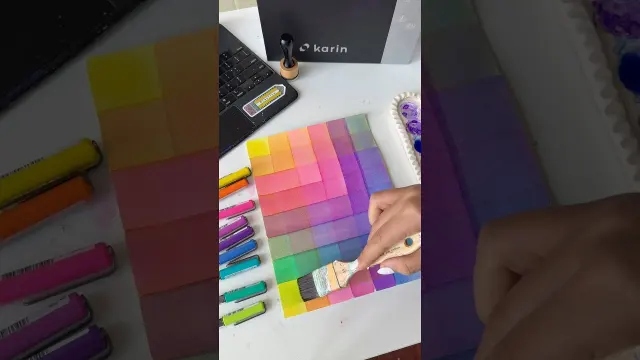
 A quick watercolor mandala for a creative reset
#Markers
3 ideas
A quick watercolor mandala for a creative reset
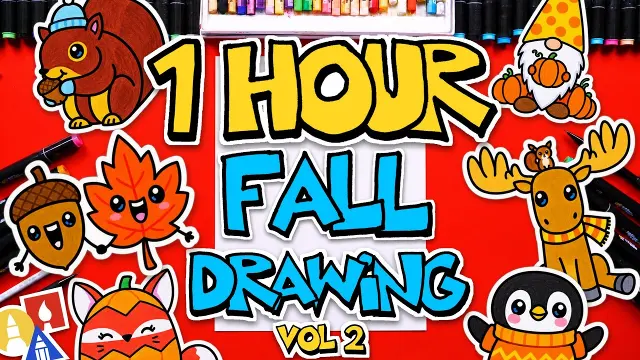 One hour of fall drawing lessons: squirrel, pumpkin fox and puppy
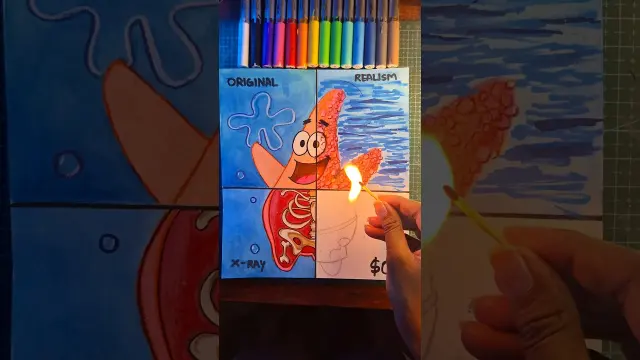 Drawing Patrick Star From Spongebob Into a Masterpiece
Get new #Markers ideas by email
Every Thursday: the week's best ideas, with the newest from #Markers.
Related tags
Everything You Need to Know About Markers
Markers are drawing tools that carry their own ink supply, usually through a felt or fibre tip that feeds colour onto paper as you move it. They sit somewhere between a pencil and a brush: easier to control than paint, bolder than graphite, and quick enough that you can fill a whole page in an afternoon. That combination is why they turn up everywhere — in sketchbooks, design studios, classrooms, journaling, lettering, and the kind of loose, colourful drawing that makes a beginner feel like an artist on the first try.
Where they come from
The idea is older than most people expect: artists have used ink-soaked reservoirs and felt nibs in various forms for a long time, and the modern marker as we know it grew out of mid-twentieth-century design and illustration work, where people needed colour that was fast, portable and repeatable. From there it spread outward — into schools, offices, and eventually into the enormous range of pens and brush tips available today.
The main kinds
Read more
Most markers fall into a few families, and knowing the difference saves you a lot of frustration.
- Water-based markers. The ink dissolves in water, so it dries slowly, blends softly, and often layers into gentle washes. They are forgiving, cheap to try, and ideal for journaling and illustration.
- Alcohol-based markers. Fast-drying and vivid, they blend into each other smoothly and reward deliberate strokes. They tend to bleed through thin paper and carry a strong smell, so ventilate the room and put something underneath.
- Pigment and paint markers. Opaque, and often usable on wood, glass, stone or fabric. Good for lettering, decorating objects and adding highlights on top of darker colour.
- Fine liners and technical markers. Not really for filling areas but for outlines, hatching and detail work that stays crisp.
What beginners should know
Paper matters more than most people realise. Alcohol ink will soak straight through ordinary printer paper; a smooth, heavier stock made for markers makes the whole experience better and stops your colours from feathering. Test every new pen on a scrap sheet first, because tips differ wildly in width and softness.
Work from light to dark. Markers are translucent, so a pale base laid down first stays visible underneath, while dark colours are hard to lighten afterwards. Keep a colourless blender on hand if you want to soften edges or lift a little pigment.
Let layers dry between passes, especially with alcohol ink, or you will muddy the colour and damage the paper's surface. Store pens horizontally so the ink stays evenly distributed, and always replace the cap — a marker left open dries out faster than almost any other art supply.
A gentle place to start
You don't need a big set. Pick a handful of colours, sketch a light outline in pencil, and fill it in with confident, overlapping strokes rather than small careful ones. Markers reward speed and looseness; the wobbles disappear once the colour is down. Start simple, and let the medium do some of the work for you.
#Markers: frequently asked questions
How do I start drawing with markers if I'm a beginner?
Start with a few colours, a pencil sketch, and simple shapes so you can focus on control rather than perfection. Markers work best when you use confident strokes and build the drawing up in layers instead of fussing over tiny corrections.
What kind of markers should I choose for journaling, colouring, or illustration?
Water-based markers are a good choice for soft blending, easy layering, and general use in journals or casual drawings. Alcohol-based markers give stronger colour and smoother blending, while pigment or paint markers are better for opaque details and decorating different surfaces.
What paper works best for markers?
Choose smooth, heavier paper made for markers whenever possible, because thin paper can soak through and make colours spread unevenly. If you're trying a new pen, test it on a scrap sheet first so you can see how the tip and ink behave.
How do I keep marker drawings from looking muddy?
Work from light colours to dark ones, since it is much easier to deepen a colour than to recover a dark patch. Let each layer dry before adding more ink, especially with fast-blending markers, so the colours stay clean and distinct.
What are some easy marker drawing ideas for a fun project?
Simple seasonal subjects like a pumpkin, a cute animal, or a quick character drawing are great for learning marker control without too much pressure. A mandala or lettering piece is also a nice option if you want something relaxing, colourful, and easy to personalize.
How should I store and care for markers so they last longer?
Keep the caps on tightly after each use so the tips do not dry out. Storing them horizontally helps the ink stay evenly distributed, which makes the colour flow more reliably when you draw.
Videos come from YouTube and posts from Instagram; titles and summaries are our own. All rights belong to their creators.