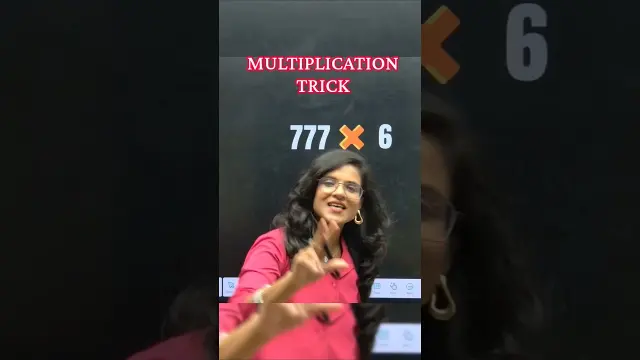
 Simple Multiplication Trick for Fast Mental Math
#Quick Math
4 ideas
Simple Multiplication Trick for Fast Mental Math
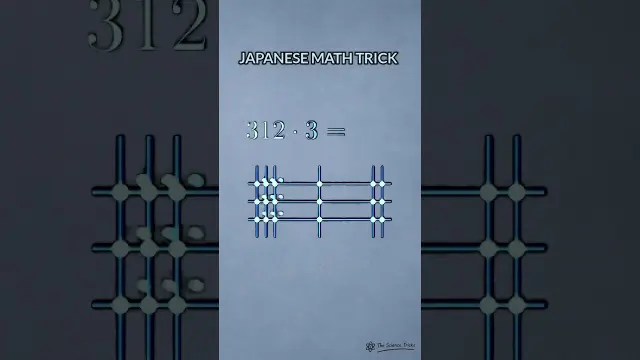 Mind-Blowing Japanese Math Trick for Quick Calculation
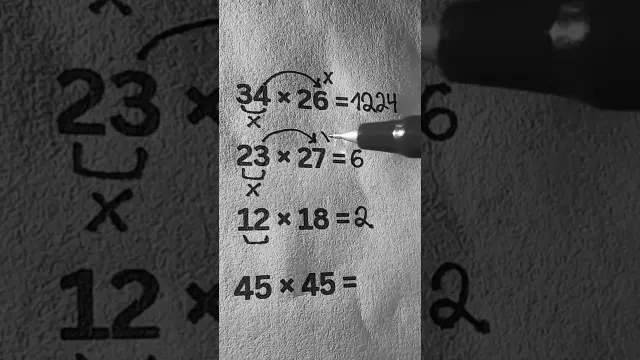 Fast Two-Digit Multiplication Trick in Seconds
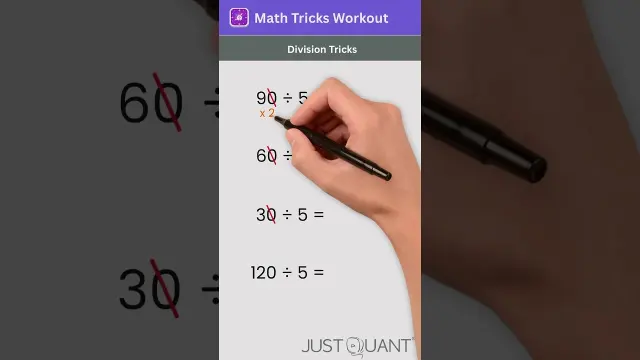 Quick Division Shortcuts and Mental Math Tricks
Get new #Quick Math ideas by email
Every Thursday: the week's best ideas, with the newest from #Quick Math.
Related tags
Quick Math Tricks and Mental Calculation
What quick math is
Quick math is the art of doing calculations in your head with speed and confidence. It is not about replacing real understanding with tricks. Instead, it helps you work with numbers more easily by using patterns, shortcuts, and a stronger sense of how numbers behave.
People have used mental calculation for a very long time, especially before calculators were common. It is useful in everyday life: when you split a bill, estimate a total, compare prices, adjust a recipe, or check whether a written answer seems reasonable. The goal is not always to get an exact result immediately, but to reach it efficiently and without getting lost.
Common kinds of quick math
Read more
Quick math usually includes a few different skills:
- Estimation, so you can round numbers and get a close answer quickly
- Mental addition and subtraction, especially with tens, hundreds, and easy place values
- Multiplication shortcuts based on breaking numbers apart
- Division shortcuts, including finding factors and simplifying before dividing
- Percentage thinking, such as finding 10%, 50%, or other simple parts of a number
The more familiar you are with these building blocks, the easier it becomes to handle larger calculations.
Useful techniques
A good place to begin is with number sense. Try to see numbers in parts. For example, 47 can become 40 and 7, and 128 can become 100, 20, and 8. This makes addition and subtraction less tiring.
Rounding is another helpful habit. If you want a quick estimate, round numbers to the nearest ten or hundred, do the calculation, and then adjust if needed. This is especially useful when you only need to know whether a result is roughly right.
For multiplication, it helps to use distributive thinking. You can break one number into smaller parts and multiply each part separately. Many mental tricks rely on this idea. If you understand why a shortcut works, it becomes easier to remember and less likely to confuse you.
For division, look for common factors first. If both numbers can be simplified, the calculation often becomes much easier. You can also think of division as repeated subtraction or as asking how many groups fit into a number.
Tips for beginners
If you are just starting out, keep your methods simple:
- Learn your basic tables well
- Practice doubling, halving, and making tens
- Use scratch paper when needed, then try the same problem mentally
- Check your answers by estimating first
- Work slowly at first, then build speed naturally
It is better to be accurate and calm than fast and unsure. Speed comes from familiarity.
A practical way to improve
The best way to get better at quick math is regular practice with everyday numbers. Try calculating prices, tips, distances, or cooking amounts in your head. Over time, you will start to notice patterns automatically.
Quick math is really about confidence with numbers. Once you understand a few reliable methods, calculations feel less intimidating and much more manageable.
Videos come from YouTube and posts from Instagram; titles and summaries are our own. All rights belong to their creators.