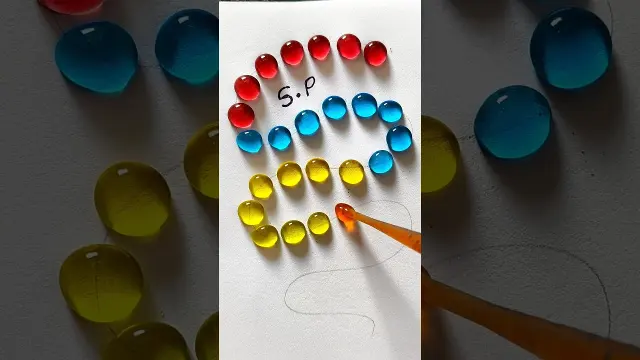
 Mesmerizing and Satisfying Drawing Art Process
#Satisfying Art
5 ideas
Mesmerizing and Satisfying Drawing Art Process
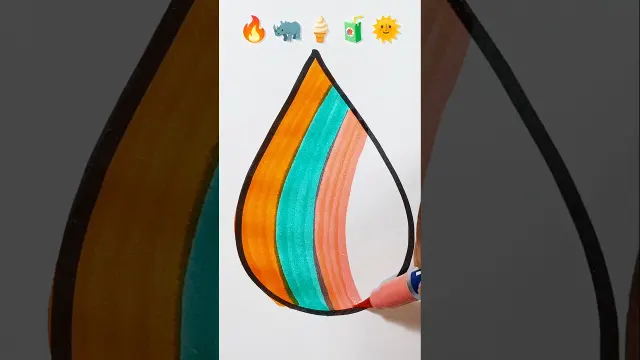 Satisfying Drawing and Coloring Process Video
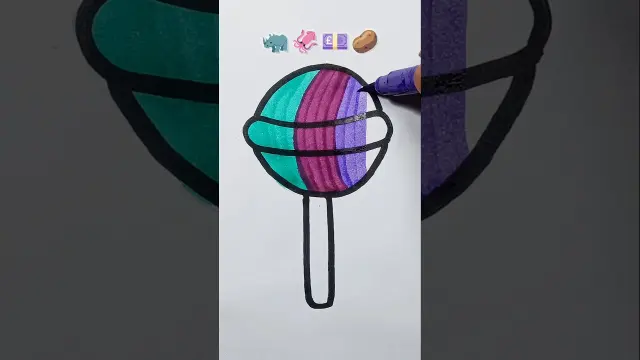 Satisfying Art Process Featuring Detailed Drawing
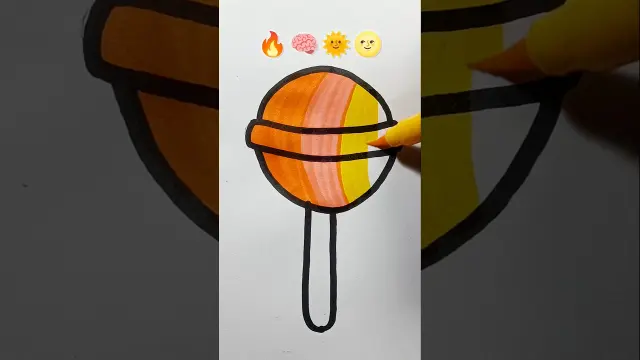 Relaxing Drawing and Coloring Process from Start to Finish
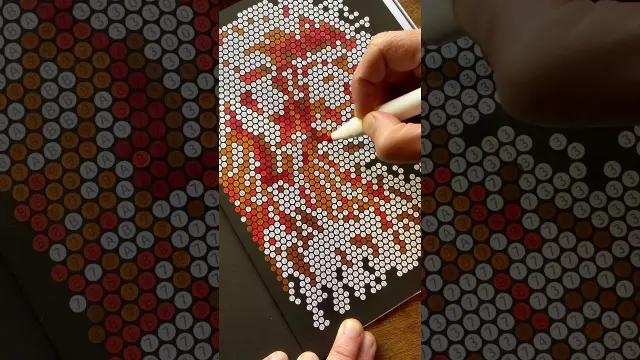 Coloring a Black Paper Mystery Dot Grid Page
Get new #Satisfying Art ideas by email
Every Thursday: the week's best ideas, with the newest from #Satisfying Art.
Related tags
Satisfying Art: Calming Visual Creativity
What satisfying art means
Satisfying art is art that feels especially pleasing to make or to look at. It often involves smooth motions, clear patterns, balanced colors, repeated shapes, or gradual transformation from an empty page into a finished piece. The appeal can be visual, but it can also come from the rhythm of the process itself: filling spaces, blending colors, revealing contrast, or watching a design come together step by step.
People are drawn to satisfying art for different reasons. Some enjoy the sense of order. Others like the contrast of dark and light, the neatness of outlines, or the calm focus that comes with slow, careful work. It can be a gentle form of creativity for beginners, because the goal is often enjoyment rather than perfection.
Common kinds of satisfying art
Read more
Satisfying art can take many forms, but some styles are especially popular because they create a clear sense of progress and completion.
- Coloring pages and filled-in patterns, especially when the design has repeated sections
- Dot grids, mandalas, mosaics, and other symmetrical drawings
- Line art with clean outlines that invite slow coloring or shading
- Abstract color studies with gradients, blocks, or layered shapes
- Process-based art, where the making is part of the pleasure, such as filling, tracing, blending, or revealing a hidden image
- Slow-drying or layered work, where each stage changes the piece in an obvious way
The most satisfying pieces often combine structure with freedom. A repeated pattern can be relaxing, while small variations in color or texture keep it interesting.
Techniques that create a satisfying effect
You do not need advanced skills to make satisfying art. What matters is often the clarity of the method and the visual payoff.
- Start with a simple structure, such as circles, squares, waves, or a grid
- Use repetition to create rhythm and predictability
- Choose a limited color palette for a clean, cohesive look
- Add contrast, such as dark backgrounds with bright details or light areas against deep shades
- Work in layers so you can see the image develop over time
- Keep your lines, fills, or shading steady and unhurried
Many people enjoy tools that create smooth coverage or crisp edges, but the most important thing is choosing materials that feel comfortable for you. A satisfying result often comes from patience, not complexity.
Getting started
If you are new to this kind of art, begin with a design that feels manageable. A page with large sections is easier than one with tiny details. You can also try repeating a single shape many times, which helps you settle into a flow.
A few practical tips can help:
- Use a surface that lets you work comfortably and steadily
- Test colors together before filling a large area
- Leave some breathing room in the composition so it does not feel crowded
- If you like contrast, try pairing black, white, and one accent color
- If you prefer softness, use related shades and gradual transitions
Most of all, let the process stay enjoyable. Satisfying art does not have to be perfect or highly detailed. It only needs to offer a sense of calm, order, or completion that feels good to you.
#Satisfying Art: frequently asked questions
How do I start making satisfying art if I'm a beginner?
Begin with a simple design that has clear shapes, open spaces, or repeated sections, such as a grid, circles, or a basic line drawing. The goal is to enjoy the process, so focus on steady filling, coloring, or shading rather than making it perfect.
What materials do I need for satisfying art?
You can start with very simple supplies, such as paper, pencils, markers, colored pencils, or paint. It also helps to have tools that give you smooth coverage and clean edges, but comfort and consistency matter more than fancy materials.
Which type of satisfying art is easiest to choose for a calming result?
Many people find symmetry, repetition, and clear outlines the most relaxing, such as mandalas, dot grids, mosaics, or coloring pages. If you want a softer look, choose layered shapes or gradual color changes; if you like strong contrast, try dark backgrounds with bright details.
How can I make my satisfying art look more polished?
Use a limited color palette, keep your lines steady, and build the artwork in layers so the progress is easy to see. Leaving a little breathing room in the composition also helps the final piece feel balanced instead of crowded.
What are some common mistakes to avoid when making satisfying art?
A common mistake is choosing a design that is too detailed for your current skill level, which can make the process feel stressful instead of relaxing. Another is using too many colors or irregular marks, which can reduce the sense of order that makes satisfying art appealing.
Videos come from YouTube and posts from Instagram; titles and summaries are our own. All rights belong to their creators.