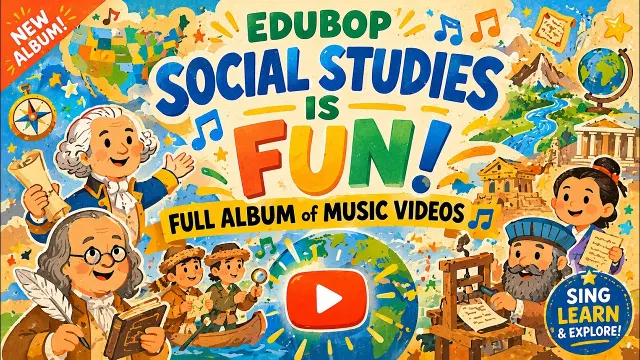
 Social Studies Is Fun Educational Music Video Album for Kids
#Social Studies
8 ideas
Social Studies Is Fun Educational Music Video Album for Kids
 GED Social Studies Civics and Government Study Guide
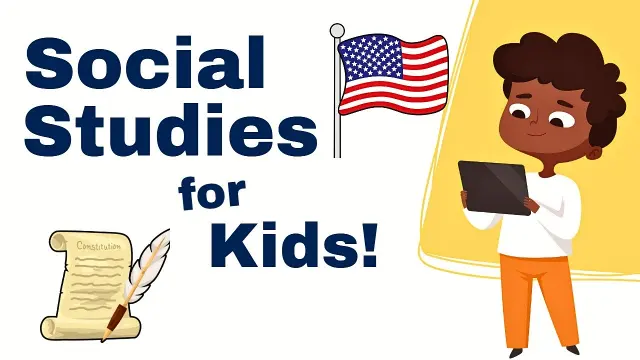 Exciting Social Studies Lessons on the Constitution and US Landmarks
 Quick Practice Questions for GED Social Studies
 Grade 9 Social Studies Exam Revision and Walkthrough Guide
 Challenging GED Social Studies Practice Questions and Explanations
 Comprehensive GED Social Studies Guide for Test Preparation
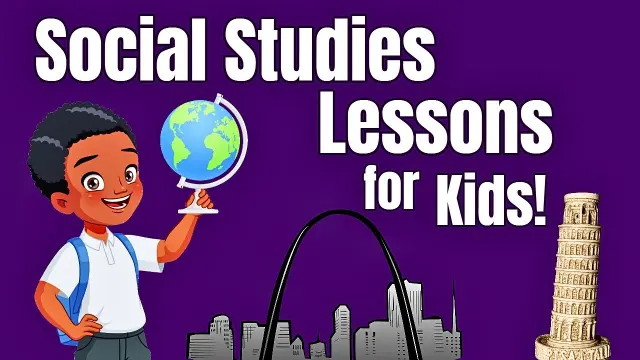 Elementary Social Studies Lessons on World Landmarks and Economics
Get new #Social Studies ideas by email
Every Thursday: the week's best ideas, with the newest from #Social Studies.
Related tags
Social Studies Study Guide
What social studies is
Social studies is the school subject that helps you understand people, communities, and the world they live in. It brings together history, geography, civics, economics, and sometimes sociology or anthropology so you can see how societies work and how they change over time. Instead of looking at one topic in isolation, social studies connects ideas: where people live, how they govern themselves, how they use resources, and how past events shape daily life.
At its heart, social studies is about learning to think like an informed citizen. You learn to ask questions, compare sources, notice cause and effect, and understand different points of view. That makes it useful far beyond the classroom, because it helps you read the news, discuss public issues, and make decisions with more context.
Main areas you may study
Read more
History looks at people and events in the past. You may study local history, national history, or world history, and learn how to identify primary and secondary sources.
Geography focuses on places and the relationships between people and the environment. It includes maps, regions, climate, land use, migration, and how location influences culture and trade.
Civics and government explain how communities are organized and governed. You may learn about rights, laws, voting, public institutions, and the responsibilities that come with citizenship.
Economics examines how people produce, exchange, and use goods and services. It includes basic ideas such as needs and wants, supply and demand, work, saving, and how choices affect resources.
Skills that matter most
Social studies is not just memorizing facts. Strong students learn to:
- read carefully and find the main idea
- compare different sources of information
- understand timelines, maps, charts, and graphs
- explain causes, effects, and patterns
- write clear short answers and essays
- support opinions with evidence
These skills are especially important when you are analyzing a passage or answering a question that asks you to explain why something happened, not just what happened.
Helpful study habits
A good way to study social studies is to break topics into small parts. Learn key terms first, then connect them to bigger ideas. When you read a section, try to answer three simple questions: What happened? Why did it happen? Why does it matter?
It can also help to make timelines for history, map sketches for geography, and simple charts for comparing governments or economic systems. If you are working with civics, pay attention to how power is divided, what rights people have, and how rules are made and enforced.
When you practice writing, use full sentences and include evidence from the text or lesson. If a question asks for your opinion, explain it with facts, not just feelings.
A useful way to approach the subject
If you are new to social studies, start with the big picture. Ask how a place, event, or law affects people’s lives. Try to connect the topic to something familiar, like your community, your family, or a decision you make every day. The more you link ideas together, the easier social studies becomes to understand and remember.
Videos come from YouTube and posts from Instagram; titles and summaries are our own. All rights belong to their creators.