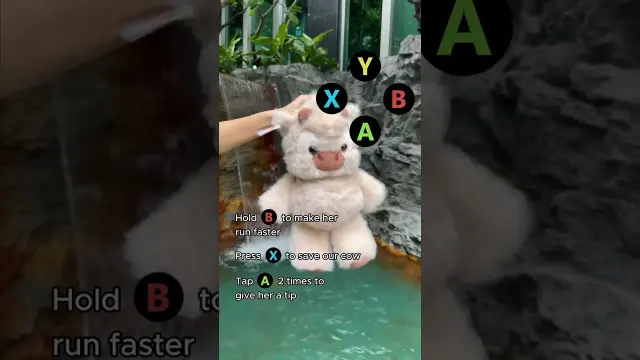
 Adorable Kawaii Running Cow Plush Toy
#Stuffed Animal
9 ideas
Adorable Kawaii Running Cow Plush Toy
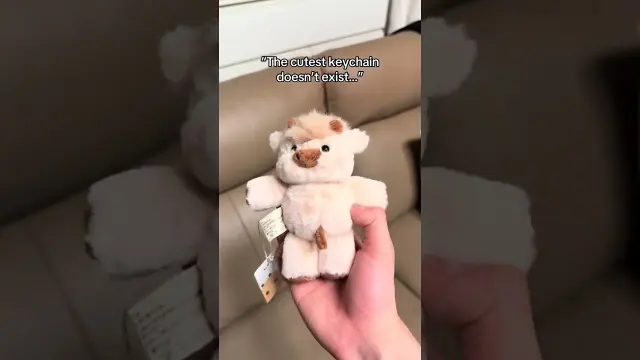 Running Cow Plush Toy for Collectors
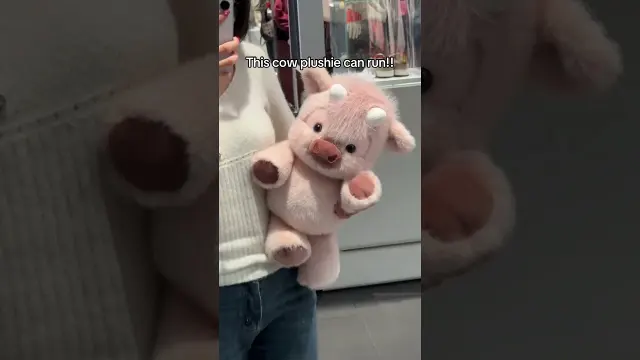 Scottish Highland Cow Plush in Floral Outfit
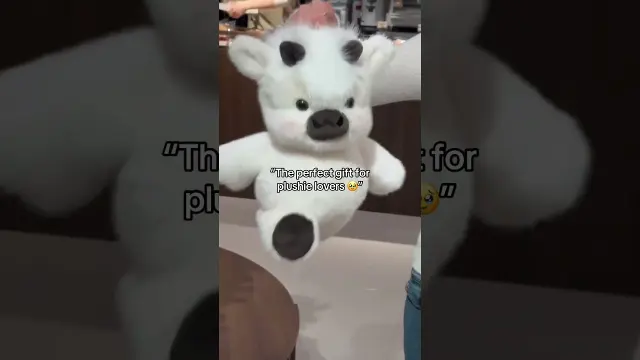 Playful Running Cow Plush Toy
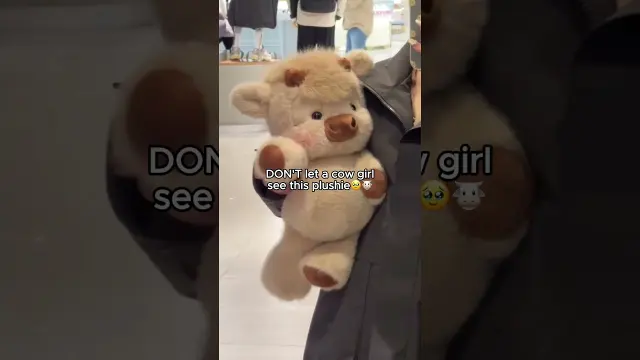 Charming Cow Plushie Showcase
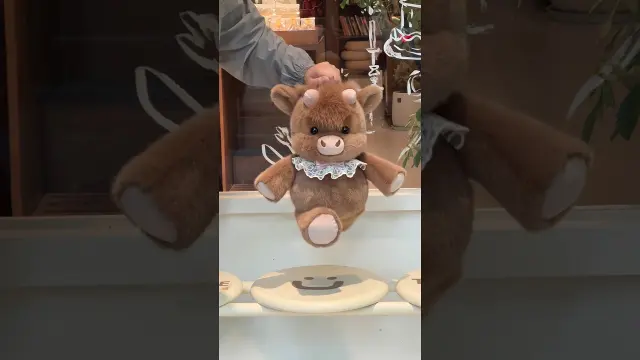 Scottish Highland Cow Plush Walking
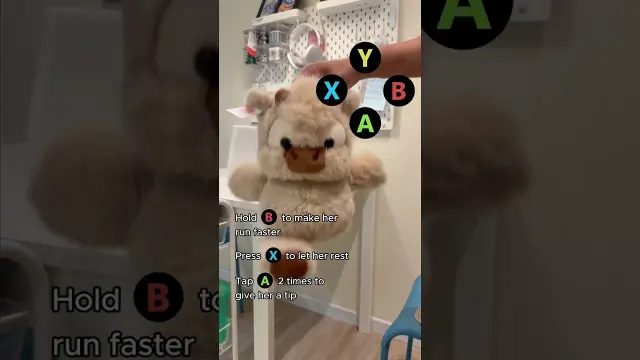 Marathon Running Cow Plush Toy
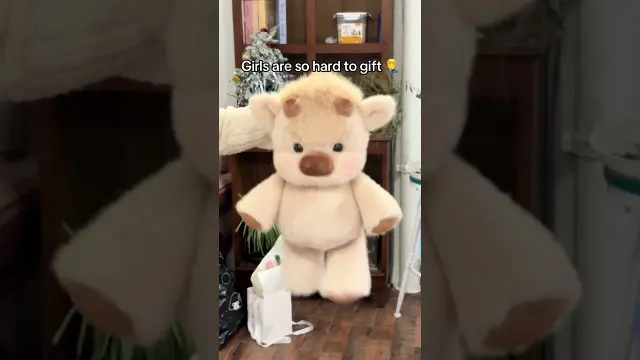 Adorable Cow Plushie Showcase
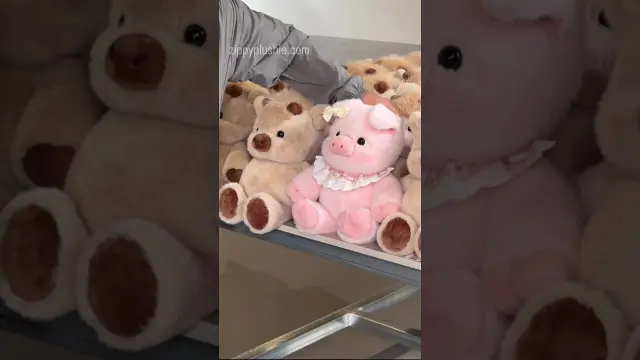 Charming Cow Plushie Display
Get new #Stuffed Animal ideas by email
Every Thursday: the week's best ideas, with the newest from #Stuffed Animal.
Related tags
Stuffed Animals: A Guide to Plush Companions
Stuffed animals are soft toys filled with fiber, cotton, beads, or other stuffing to give them shape and a comforting feel. They’ve been loved for generations by children and adults alike, not only as toys but also as keepsakes, gifts, nursery decor, and comfort objects. Their appeal is simple: they combine a friendly shape, a soft texture, and a familiar sense of companionship.
What stuffed animals are
At their most basic, stuffed animals are fabric figures made to resemble real animals or imaginary creatures. They may be realistic, cartoon-like, tiny collectibles, or oversized cuddle toys. Some are designed for play, while others are made more for display or collecting. You’ll also find related plush forms shaped like food, characters, or fantasy creatures, but the idea is the same: a soft outer layer with a filling inside.
Common styles and kinds
Read more
Stuffed animals come in many styles, and the right one depends on how you plan to use it.
- Classic plush animals: simple, soft, and made for everyday cuddling
- Realistic plush: designed to resemble actual animals more closely
- Cute or stylized plush: rounded features, small eyes, and playful expressions
- Collectible plush: created with special details, themed outfits, or limited appeal
- Baby-safe plush: often made with minimal small parts and very soft materials
- Decorative plush: meant mostly for shelves, beds, or rooms
Some plush toys have embroidered features, while others use plastic eyes, sewn-on accessories, or patterned fabrics. In general, simpler designs are better for very young children, since they reduce loose parts.
What to look for
If you’re choosing a stuffed animal, think first about who it’s for and how it will be used. A toy for a child should be soft, sturdy, and easy to clean. A display piece may matter more for detail and shape. A comfort plush should feel pleasant to hold and be the right size for hugging.
A few practical points help:
- Check the size: small for travel, medium for hugging, large for display or lounging
- Look at the stitching: strong seams last longer
- Consider the fabric: some materials feel smoother, others are fluffier or more textured
- Think about cleaning: washable plush is easier to keep fresh
- Match the purpose: play, comfort, collecting, or decoration
Care and keeping them in good shape
Stuffed animals stay nicer when you handle and clean them gently. Shake out dust regularly and follow the care label if there is one. Spot-clean small marks when possible, and let them dry fully before use. If a plush is treasured or delicate, storing it away from direct sunlight helps preserve the color and fabric. For children’s toys, check them now and then for loose seams or worn parts.
Why people love them
Stuffed animals are more than toys. They can soothe, decorate a room, mark a special gift, or become a long-lasting part of family life. Their softness and familiar shapes make them easy to love, and that is part of what gives them such enduring appeal. Whether you prefer a tiny plush companion or a classic cuddly animal, a well-chosen stuffed animal can feel both simple and deeply comforting.
#Stuffed Animal: frequently asked questions
How do I choose the right stuffed animal for a child or gift?
Start by thinking about who will use it and whether it is mainly for play, comfort, or display. Softer fabrics, sturdy seams, and a simple design usually work best for children, while a gift can lean more toward a cute style or a special look that feels personal.
What kind of stuffed animal is best for hugging and comfort?
A medium-sized plush with a soft outer fabric and a floppy, easy-to-hold shape is usually the most comforting. Look for one that feels pleasant in the hand and has a friendly face or simple features that make it easy to bond with.
Are some stuffed animals better for decoration than others?
Yes, decorative plush often have more detailed shapes, themed outfits, or a more polished finish that stands out on a bed, shelf, or nursery chair. If you want a display piece, choose one that keeps its shape well and matches the room’s colors or style.
How should I care for a stuffed animal so it lasts longer?
Gently shake out dust, clean small spots as needed, and follow any care label if there is one. It also helps to let it dry completely after cleaning and keep delicate plush out of strong sunlight so the fabric and color stay nice.
What are common mistakes people make when buying a stuffed animal?
A common mistake is choosing based only on looks and forgetting how it will actually be used. It is also easy to overlook fabric feel, seam strength, cleaning needs, or whether the design has small parts that may not suit the person who will use it.
Videos come from YouTube and posts from Instagram; titles and summaries are our own. All rights belong to their creators.