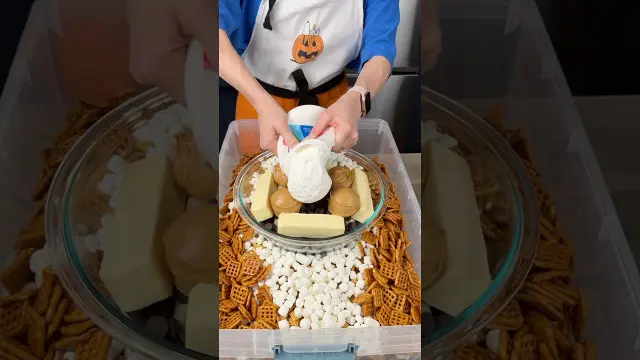
 Quick and Simple Sweet Halloween Treat
#Sweet
4 ideas
Quick and Simple Sweet Halloween Treat
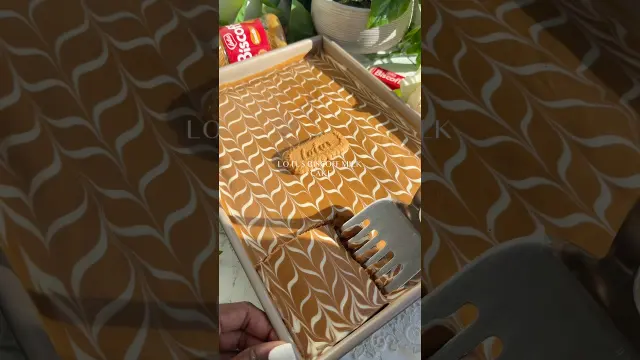 Lotus Biscoff milk cake with cream topping
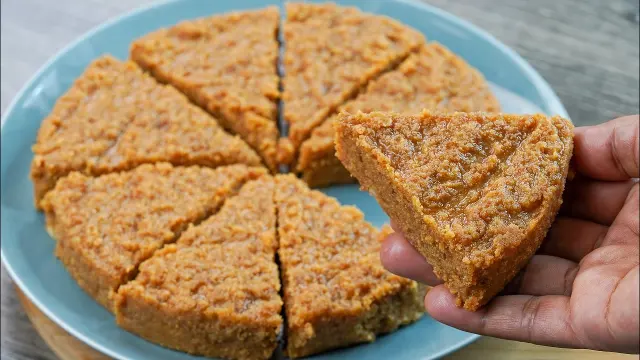 Instant milk cake recipe for a sweet treat
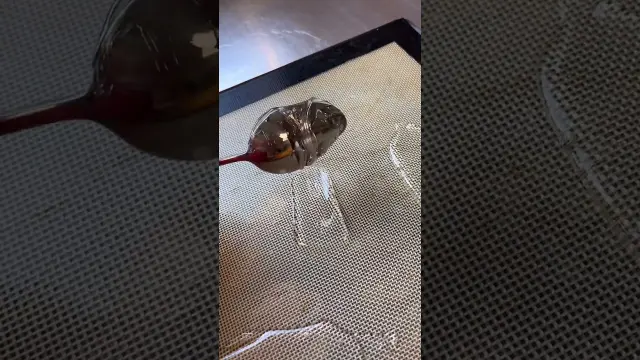 Ultra Thin and Glossy Homemade Caramel Tuile Recipe
Get new #Sweet ideas by email
Every Thursday: the week's best ideas, with the newest from #Sweet.
Related tags
Sweet Foods and Desserts Guide
What sweet means
Sweet is one of the basic tastes, and it is the flavor many people associate with desserts, baked goods, fruits, and confections. In cooking, “sweet” can describe both the taste itself and the larger family of foods built around sugar, honey, syrups, dried fruit, milk, chocolate, and other naturally sweet ingredients.
Sweet foods have been part of home cooking for a very long time. In many cultures, they began as simple treats made with honey, fruit, or grain, then gradually expanded into cakes, puddings, pastries, candies, and celebratory desserts. Today, sweet dishes are used for everyday snacks, family baking, holidays, gifts, and special occasions.
Main kinds of sweet foods
Read more
Sweet foods come in many forms, and the category is broader than many people first think.
- Baked sweets: cakes, cookies, muffins, tarts, pies, brownies, and sponge desserts
- Confections: caramels, toffees, fudge, marzipan, nougat, and sweets made from sugar work
- Creamy desserts: custards, puddings, mousses, ice cream, and panna cotta
- Fruit-based sweets: compotes, jams, fruit tarts, baked fruit, and preserves
- Crisp or delicate sweets: tuile cookies, meringues, wafers, and brittle-like treats
Some sweets are rich and indulgent, while others are light and simple. Many traditional recipes combine sweetness with tart, bitter, salty, or spicy notes to keep the flavor balanced.
Techniques and styles
Sweet recipes often rely on a few core techniques. Baking gives structure and texture to cakes, cookies, and pastries. Heating sugar carefully creates caramel, toffee, and other glossy or crunchy treats. Whisking, folding, and whipping are common in lighter desserts such as mousses and sponge cakes. Chilling and setting are important for custards, no-bake bars, and many chilled sweets.
Texture matters just as much as flavor. A sweet dessert may be soft, chewy, crisp, creamy, airy, or sticky. Good sweet cooking often comes down to balance: enough sweetness to satisfy, but not so much that the flavor becomes flat.
What beginners should know
If you are new to sweet cooking, start with simple recipes that use familiar ingredients and clear steps. Read the recipe all the way through before you begin, especially if it involves baking or sugar work. Measuring carefully helps a lot, because sweet recipes can be sensitive to small changes.
A few practical tips:
- Taste for balance, not just sweetness
- Use ripe fruit when you want natural sweetness
- Let baked goods cool before judging their final texture
- Keep an eye on sugar as it can change quickly when heated
- Use a little salt to bring out flavor and keep sweetness from feeling heavy
Making sweets your own
Sweet cooking is wonderfully adaptable. You can change the flavor with vanilla, citrus, spices, nuts, chocolate, coffee, or fruit. You can also adjust texture by choosing between creamy, crisp, fluffy, or dense desserts. Whether you are making a simple home bake or a more delicate confection, the best sweet recipes are usually the ones that feel balanced, comforting, and easy to enjoy.
Videos come from YouTube and posts from Instagram; titles and summaries are our own. All rights belong to their creators.