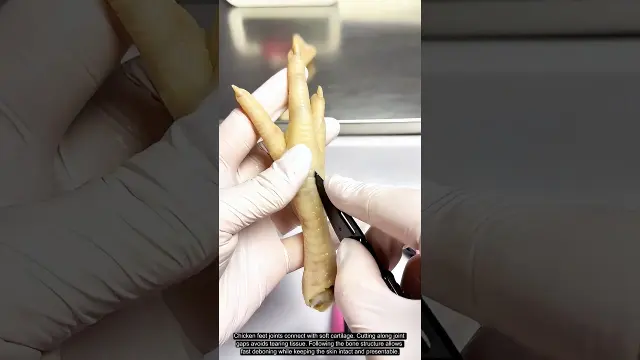
 Chicken Feet Prep: Cutting Along the Joint Gaps
#Technique
2 ideas
Chicken Feet Prep: Cutting Along the Joint Gaps
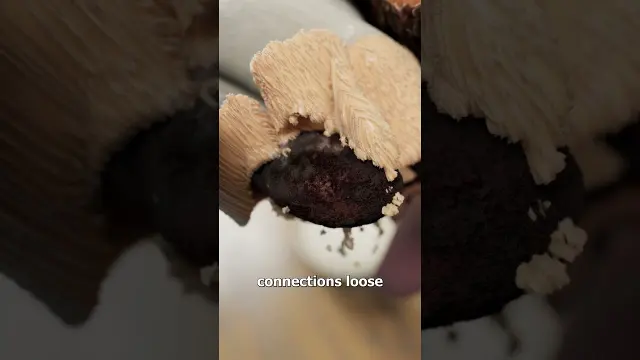 How to Debone a Chicken Wing for Stuffing
Get new #Technique ideas by email
Every Thursday: the week's best ideas, with the newest from #Technique.
Related tags
Technique: The Quiet Skill Behind Good Work
Technique is the part of making that nobody photographs. It is the angle of the blade, the tension in the wrist, the half-second before the hand moves. The word comes from the Greek techne, which meant craft or art — the knowledge of how to make a thing, as distinct from knowing what the thing is. Every field that produces objects or images has its own store of it: cooks, carpenters, sewists, potters, hairdressers, bakers, bookbinders. The tools change; the underlying idea does not.
What technique actually is
Technique is a repeatable method for getting a result, worked out over generations and passed on by showing rather than telling. It sits between knowledge and habit. You can read about it, but you only have it once your hands do it without consulting you. This is why technique survives in workshops and kitchens and studios long after the reasoning behind it has been forgotten — someone learned it from someone, who learned it from someone.
The main families of skill
Read more
Most hands-on technique falls into a few broad groups, whichever craft you are in.
- Cutting and dividing: separating material along its natural lines. Whether it is a joint, a seam, a sheet of paper or a length of dough, the skill is in reading where the material wants to part before you commit the blade.
- Shaping and forming: removing or adding material gradually, working from the whole towards the detail, never the reverse.
- Joining: stitching, tying, gluing, folding, pinning. Strength usually comes from the join, not the parts.
- Heat and time: cooking, firing, drying, setting. Controlling temperature and duration rather than force.
- Finishing: the last pass that decides how a thing feels in the hand.
What beginners should know
Start slower than feels natural. Speed is what technique looks like from the outside; it is the last thing to arrive, and trying to begin with it produces errors you then have to unlearn. Move one variable at a time — change the grip or the angle or the pace, but not all three at once — so you can tell what made the difference.
Watch someone who is good at it, and watch their hands rather than their face. Ask why a motion is done that way; good practitioners usually know, and the answer is often about safety or about keeping the material intact.
Keep your tools in condition. A sharp blade, a clean needle, a level surface. Dull tools demand force, and force is where technique goes wrong.
Practising well
Repetition alone does not build skill; repetition with attention does. Choose one small motion and repeat it deliberately, noticing the result each time. Keep the failures — they tell you where your edge is. And accept that some days the hands simply will not cooperate. That is not a loss of skill, only its ordinary weather.
#Technique: frequently asked questions
How do I actually start learning a hands-on technique?
Begin more slowly than feels natural and resist copying the speed you see in someone experienced — speed is the last thing to arrive, and starting with it teaches errors you later have to undo. Pick one small motion, repeat it with full attention, and adjust only one thing at a time so you can tell what made the difference. Watching a skilled pair of hands closely, and asking why a motion is done that way, shortcuts a lot of guessing.
What do I need before I begin — a lot of tools or just a few?
You need very little, but what you have should be in good condition: something that cuts cleanly, something that holds or joins, and a steady surface to work on. Dull tools force you to push harder, and force is usually where technique falls apart. Add equipment only when you can name the specific problem it solves.
Which kind of technique should I learn first?
Choose by the material you want to work with rather than by the finished object, since most hand skills cluster around cutting, shaping, joining, applying heat and time, or finishing. Whichever craft you pick, the fundamentals of its dominant family will carry you furthest — reading where a material naturally wants to part, for instance, serves a cook and a carpenter alike. Once one motion feels automatic, the next is easier to pick up.
How do I practise so that I improve instead of just repeating myself?
Repetition alone doesn't build skill; repetition with attention does, so slow down enough to notice the result of every attempt. Keep your failures rather than discarding them — they show you exactly where your control ends. Expect off days too, when the hands simply won't cooperate; that's ordinary, not a sign you've lost what you learned.
What mistakes do beginners make most often?
The usual ones are chasing speed too early, changing grip, angle and pace all at once so nothing can be diagnosed, and blaming themselves for a bad day instead of the tool or the setup. Another common slip is working from the detail outward rather than from the whole toward the detail. Staying slow and changing one thing at a time prevents most of these.
How should I look after my tools so the technique holds up?
Keep edges sharp, needles clean and surfaces level, and check them before you start rather than after something goes wrong. A tool that needs forcing is telling you it needs attention, not that you need more strength. Small, regular upkeep costs far less than relearning a motion around a badly behaved tool.
Videos come from YouTube and posts from Instagram; titles and summaries are our own. All rights belong to their creators.