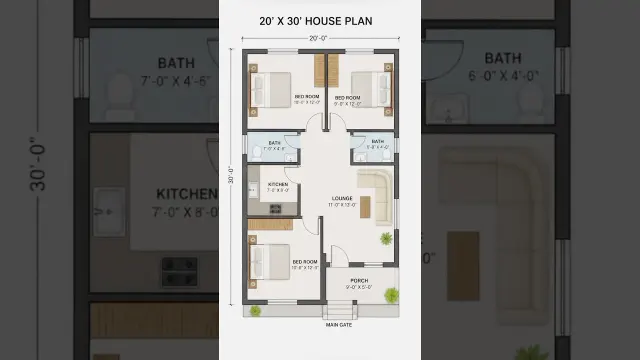
 Compact 20x30 Small House Plan and 3D Model Design Ideas
#Tiny Home
2 ideas
Compact 20x30 Small House Plan and 3D Model Design Ideas
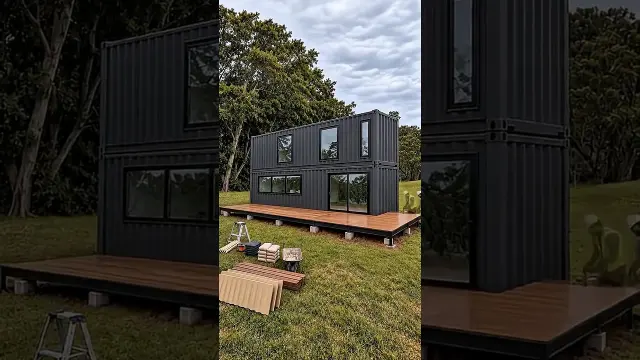 Two Stacked Shipping Containers With Matte Black Exterior
Get new #Tiny Home ideas by email
Every Thursday: the week's best ideas, with the newest from #Tiny Home.
Related tags
Tiny Homes: Small Spaces, Big Possibilities
What a tiny home is
A tiny home is a very small dwelling designed to make everyday living possible within a compact footprint. It may be built on a foundation or designed to move, and it usually relies on smart planning rather than size to feel livable. The appeal is simple: fewer square metres to heat, clean, furnish, and maintain, with more attention given to how each space is used.
Tiny homes come from a long tradition of modest, efficient living. They share ideas with cabins, cottages, caravans, boats, and other compact shelters that make careful use of limited room. What sets a tiny home apart is the deliberate design of the whole space so that it can support sleeping, cooking, washing, storage, and relaxing without feeling cluttered.
Common styles and layouts
Read more
Tiny homes can look very different from one another. Some feel rustic and handmade, while others are sleek and minimal. Common approaches include:
- A single open-plan room with a sleeping loft
- A compact one-level layout with multi-purpose furniture
- A mobile home built on a trailer-style base
- A converted structure such as a shed, container, or outbuilding
- A small cabin-style home with a simple, traditional feel
The best layout depends on how you live. If you prefer easy movement and fewer stairs, a single-level plan may suit you best. If you want to save floor space, a loft can free up room below for daily activities.
Design principles that matter
In a tiny home, every choice has a visible effect. Light, storage, and circulation are especially important. Large windows, pale surfaces, and uncluttered lines can help a small space feel open. Built-in storage often works better than freestanding furniture because it uses awkward corners and narrow spaces more efficiently.
Multi-purpose pieces are especially useful. A bench can hide storage, a table can fold away, and a sofa can serve more than one role. If you are planning or furnishing a tiny home, think about how each item earns its place.
What beginners should know
Tiny living is rewarding, but it also asks for honesty about your habits. Before you commit, consider:
- How much privacy you need
- Whether you cook often
- How much storage your routine requires
- If you are comfortable with less separation between activities
- How you will handle visitors, laundry, and outdoor storage
It helps to begin with your non-negotiables. For example, some people need a proper desk, a bathtub, or a full kitchen. Others are happy with a simpler setup. Knowing your priorities early makes design decisions easier.
Practical tips for comfortable tiny living
Start by reducing what you own to fit the space you actually have, not the space you imagine having. Keep pathways clear and avoid filling the home with decorative items that do not serve a purpose. Choose durable finishes that are easy to clean and maintain. Pay attention to ventilation, natural light, and insulation so the home feels pleasant in everyday use.
A tiny home works best when it feels calm and intentional. When the layout is thoughtful and your belongings are well chosen, even a very small space can feel generous, functional, and welcoming.
Videos come from YouTube and posts from Instagram; titles and summaries are our own. All rights belong to their creators.