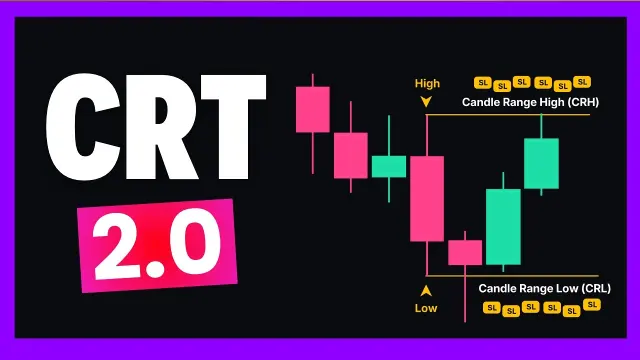
 Candle Range Theory: Fixing Common Setup Mistakes
#Trading Strategy
12 ideas
Candle Range Theory: Fixing Common Setup Mistakes
 How I Learned to Trust My Own Trading Strategy
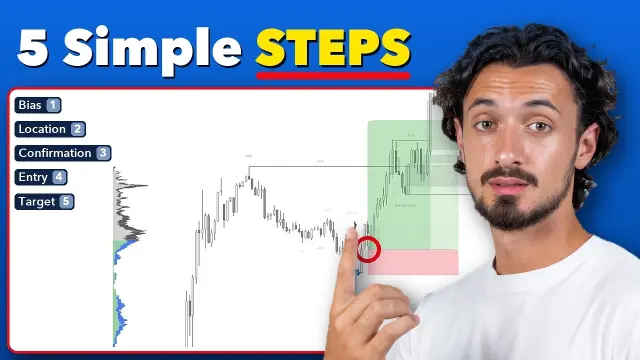 Smart Money Concepts Explained in Five Trading Steps
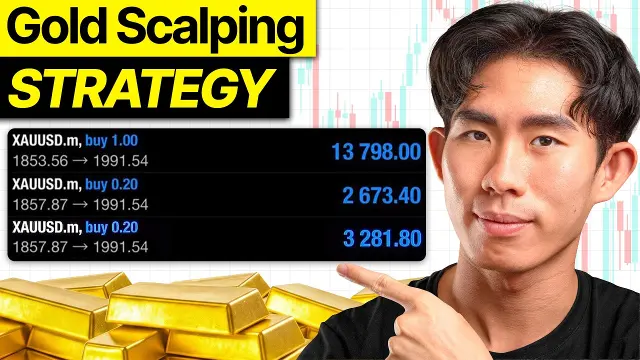 Gold Scalping System for Beginners Building to Advanced
 One Order Flow Strategy Traded Daily, Step by Step
 Three-Step Futures Strategy Using Order Flow Data
 Complete Order Flow Course Built Around the AR Model
 Replacing ICT Concepts With an Order Flow Approach
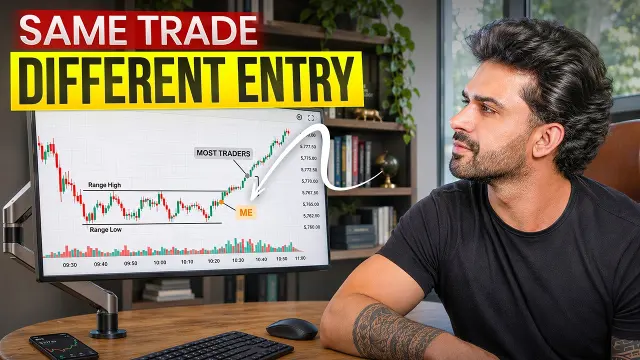 Opening Range Breakout Strategy: Entering Before the Break
 Updated Trading Strategy for 2026 With Rules and Review
 How Traders Actually Apply Order Flow in Practice
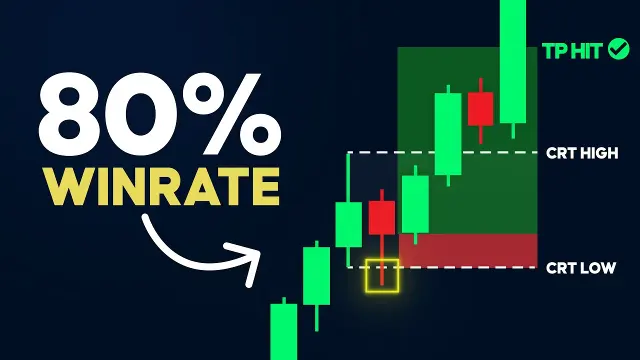 Candle Range Theory Strategy With Live Long and Short Examples
Get new #Trading Strategy ideas by email
Every Thursday: the week's best ideas, with the newest from #Trading Strategy.
Related tags
Trading Strategy: A Beginner's Guide to Planning Trades
A trading strategy is a written set of rules that decides when you enter a market, how much you risk, and when you close a position. It turns trading from a series of guesses into a repeatable process: the same conditions produce the same decision, whether you are calm or tired or excited. Without rules, every chart looks like an opportunity, and every loss feels like bad luck rather than feedback.
The parts every strategy needs
Most strategies, however different they look, answer the same four questions. What is the market condition you are looking for? What confirms it before you act? Where do you get out if you are wrong? And where do you get out if you are right? A strategy that answers only the first two is not a strategy yet; it is an idea. Write the answers down. Precision matters, because "buy when it looks strong" cannot be tested or repeated, while "enter after a close above the previous day's high" can.
Main families of approach
Read more
Traders generally work with a few broad ideas. Trend following assumes that a move already underway is more likely to continue than to reverse, and it accepts many small losses in exchange for a few large gains. Mean reversion assumes prices stretch away from an average and tend to return to it, which suits quieter, range-bound markets. Breakout trading waits for price to leave a defined area and joins the move as it starts; it is simple to describe and difficult to time, since false breaks are common. Price action and order flow methods read raw candle behaviour or buying and selling pressure rather than indicators. None of these is inherently superior. Each works in some conditions and fails in others, which is why matching a method to the market you are trading matters more than the method itself.
Timeframe and style
A scalper holds positions for minutes; a swing trader holds for days; a position trader holds for weeks. Shorter timeframes mean more decisions and more noise, longer ones mean fewer chances to practise. Alongside this sits the choice between discretionary trading, where you apply judgement within a framework, and systematic trading, where fixed rules or automation make the decisions. Beginners often do better with fewer, slower trades first, because they leave room to observe.
Risk comes before profit
Decide before you enter how much of your account a single trade may lose, and keep that number small enough that a run of losses does not change how you think. Position size follows from that decision, not the other way around. Trading with borrowed money or with funds you need soon adds pressure that undermines every rule you have written.
Keep a record and review it
A journal is the cheapest improvement available to you. Record the setup, your reasoning, the size, the outcome and how you felt. Then review in blocks of many trades, not one at a time: a single result says very little, but a pattern across dozens of trades tells you whether the plan itself is sound. Expect the first version of your strategy to be imperfect. Adjust slowly, change one thing at a time, and keep practising on small size while you learn. Trading carries real risk of loss, and no plan removes it; a good strategy simply makes the risk one you have chosen deliberately.
#Trading Strategy: frequently asked questions
How do I start building a trading strategy from scratch?
Start by writing down the exact market condition you want to trade, what must confirm it, and where you will exit if the trade goes wrong or works out. Keep the rules simple enough that you can follow them the same way every time, then test them in a consistent way before relying on them.
What should a trading strategy include to be complete?
A complete strategy needs a clear setup, a confirmation step, a risk limit, and an exit plan for both winning and losing trades. If those parts are vague, the idea is hard to repeat and even harder to improve.
Which type of trading strategy should I choose as a beginner?
Choose a style that fits the kind of market you are seeing most often. Trend following suits markets that keep moving, mean reversion fits quieter ranges, and breakout trading works when price leaves a defined area, while simpler and slower approaches often give beginners more room to learn.
How do I manage risk when using a trading strategy?
Decide your risk before you enter the trade so position size follows that choice, not the other way around. Use amounts that you can recover from comfortably, because trading with too much pressure makes it harder to follow your own rules.
What are common mistakes people make with trading strategies?
A common mistake is treating a loose idea like a real plan, such as buying when something merely looks strong. Another is changing the rules after every win or loss instead of reviewing a larger group of trades and making careful adjustments over time.
Videos come from YouTube and posts from Instagram; titles and summaries are our own. All rights belong to their creators.