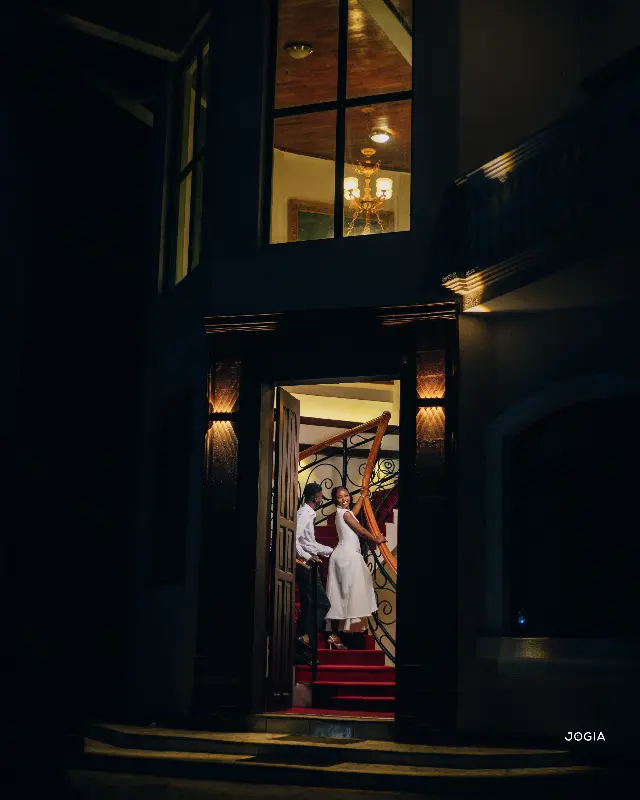
 Vibrant Pre-Wedding Looks and Styling
#Traditional Attire
17 ideas
Vibrant Pre-Wedding Looks and Styling
Get new #Traditional Attire ideas by email
Every Thursday: the week's best ideas, with the newest from #Traditional Attire.
Related tags
Traditional Attire: Meaning, Styles, and Care
Traditional attire is clothing rooted in a culture’s history, customs, and identity. It can be worn for ceremonies, celebrations, religious occasions, family gatherings, or simply to honor heritage. In many places, traditional dress reflects local climate, available materials, social customs, and the way communities have expressed belonging over generations.
What traditional attire means
Traditional attire is not one single style. It can include everyday garments, formal dress, festive clothing, or ceremonial wear. Some outfits are shaped by region, while others are shared across a wider culture with small local differences in fabric, color, ornament, or drape. What makes it traditional is not only the cut or pattern, but also the meaning attached to it.
Often, these clothes carry symbols of identity. Colors may have cultural significance, certain patterns may reflect history or craft traditions, and accessories may complete the look in a way that is meaningful within the community.
Read more
Common forms and styles
Traditional attire can be structured or flowing, simple or richly decorated. You may see:
- Wrapped garments that are draped and tied
- Tailored outfits with fitted tops, skirts, or trousers
- Tunics, robes, shawls, or layered ensembles
- Heirloom fabrics, embroidery, weaving, or hand embellishment
- Head coverings, jewelry, belts, or sashes that are part of the full dress
Some styles are worn daily in certain communities, while others are reserved for special occasions. In many cases, the same garment may be dressed up or down depending on the fabric, accessories, and how it is worn.
Choosing and wearing it well
If you are new to traditional attire, start by learning the basics of fit, drape, and occasion. Traditional dress often looks best when it is worn in a way that respects its shape and cultural meaning. If possible, ask knowledgeable family members, makers, or community members how a garment should be worn.
A few practical tips can help:
- Choose a size and length that allow you to move comfortably
- Pay attention to fabric weight and how it behaves
- Learn the proper way to fasten, fold, wrap, or layer it
- Keep accessories balanced so the outfit feels complete, not crowded
- Wear it with care and confidence, especially when the attire has ceremonial value
Fabrics, craftsmanship, and care
Traditional attire is often closely linked to textile arts such as weaving, dyeing, embroidery, beadwork, or tailoring. These details are part of what gives the clothing its character. Because many traditional garments are delicate or handmade, gentle care matters. Follow the garment’s needs as closely as possible: air it properly, store it away from moisture, and handle embellishments with care.
A respectful way to appreciate traditional dress
Wearing traditional attire can be a beautiful way to connect with heritage, family history, or cultural celebrations. The most important thing is to approach it with respect. Learn where it comes from, how it is meant to be worn, and what it represents. When you do, traditional clothing becomes more than something beautiful to look at. It becomes a living expression of memory, identity, and belonging.
Videos come from YouTube and posts from Instagram; titles and summaries are our own. All rights belong to their creators.