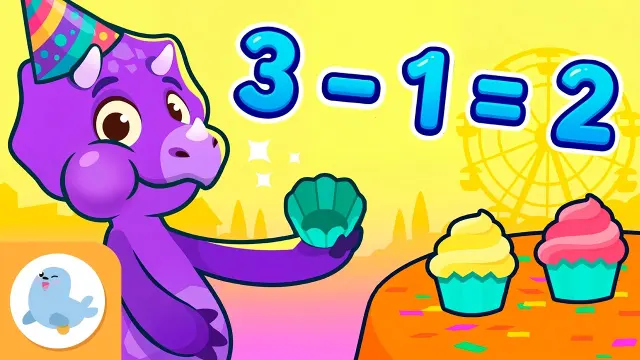
 Subtraction Song and Visual Exercises Compilation for Kids
#Visual Learning
9 ideas
Subtraction Song and Visual Exercises Compilation for Kids
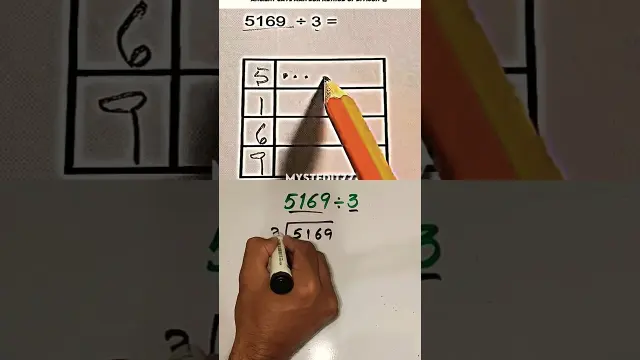 Visual Box Method for Fast Multi-Digit Division
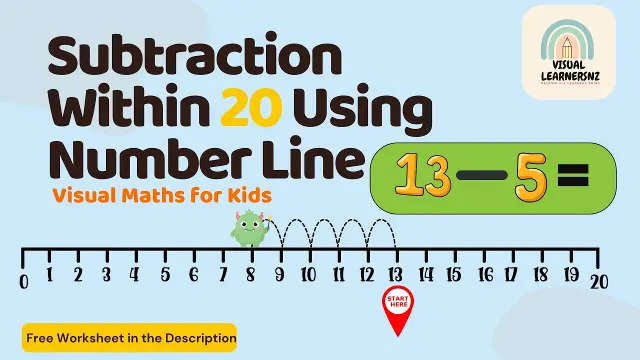 How to Subtract Within Twenty Using a Number Line
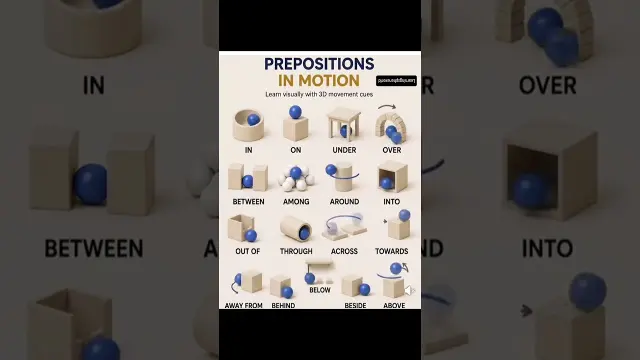 English Prepositions of Movement Explained With 3D Animations
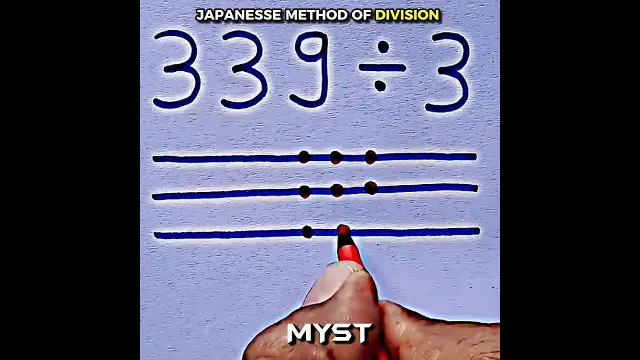 Visual Japanese Line Method for Fast Division
 Practical Visual Learning Strategies That Actually Retain Information
 Photography Lighting Fundamentals Taught Using Everyday Objects
 Beginner Python Programming Explained Visually With Notebooks
 High Contrast Baby Sensory Video for Newborn Visual Stimulation
Get new #Visual Learning ideas by email
Every Thursday: the week's best ideas, with the newest from #Visual Learning.
Related tags
Visual Learning Guide
Visual learning is a way of understanding information by seeing it. It uses images, diagrams, colour, layout, symbols, charts, maps, and other visual cues to help you make sense of ideas. Many people find that when information is organised clearly and shown in a visual form, it becomes easier to remember and quicker to review.
What visual learning means
At its heart, visual learning is about turning information into something your eyes can follow. Instead of relying only on spoken explanation or long blocks of text, visual learning presents the same idea in a form that shows relationships, order, patterns, or steps. This can be especially helpful when a subject has many parts, when you need to compare things, or when you want to see how ideas connect.
Visual learning is used in schools, at work, and in everyday life. You might see it in maps, mind maps, sketches, timelines, flowcharts, labels, diagrams, or annotated notes. It can support memory, planning, organisation, and problem-solving.
Read more
Common visual learning styles
Visual learning can take many forms, depending on what you are trying to understand.
- Diagrams and charts for showing parts, categories, or comparisons
- Mind maps for connecting a main idea with related thoughts
- Timelines for arranging events or steps in order
- Flowcharts for showing a process or decision path
- Tables and grids for organising information neatly
- Sketches and doodles for turning abstract ideas into memorable shapes
- Colour-coding for grouping related points
You do not need to be an artist to use visual learning well. Simple shapes, arrows, and clear spacing are often more useful than detailed drawings.
How to make visual learning work for you
The best visual notes are usually clear, simple, and consistent. Start by deciding what matters most in the information you are learning. Then reduce it to headings, key words, and relationships. Try to avoid filling the page with everything at once. Too much detail can make a visual harder to read than plain text.
A few useful habits:
- Keep layouts neat and easy to scan
- Use one visual style at a time, so the page does not feel crowded
- Leave space around key ideas
- Group similar information together
- Use arrows, boxes, or colour to show connections
- Review your notes by looking for structure, not just words
Beginner tips
If you are new to visual learning, start small. Choose one topic and turn it into a simple diagram or summary map. Use your own words. Do not worry about making it look perfect. The goal is clarity, not decoration.
It can also help to match the visual to the type of information. For example, a process is often easier to understand as a flowchart, while a topic with many related ideas may work better as a mind map. If you are studying, try combining short text with simple visuals rather than replacing all words with pictures.
Visual learning is most helpful when it supports understanding, not when it adds extra clutter. When used well, it can make ideas feel more organised, more memorable, and easier to return to later.
Videos come from YouTube and posts from Instagram; titles and summaries are our own. All rights belong to their creators.