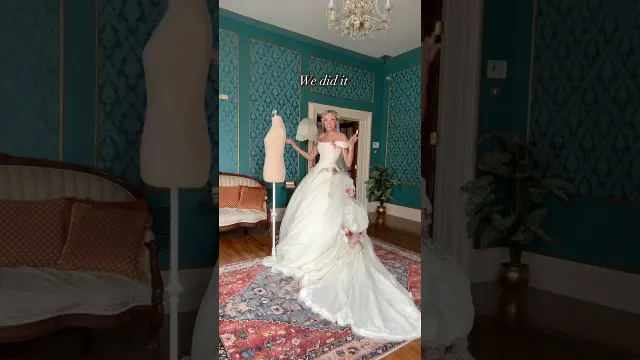
 Bride Sews and Makes Her Own Dream Wedding Dress
#Wedding Dresses
37 ideas
Bride Sews and Makes Her Own Dream Wedding Dress
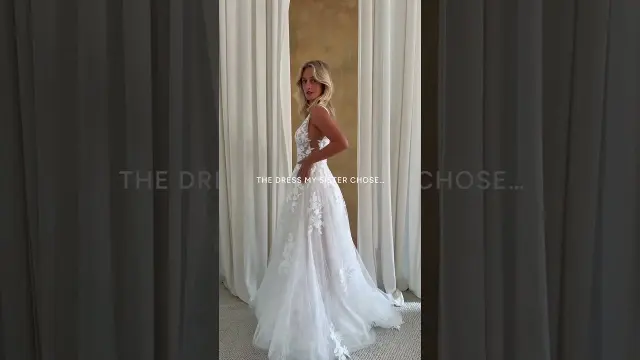 Stunning Bridal Gown Details For Wedding Dress Inspiration
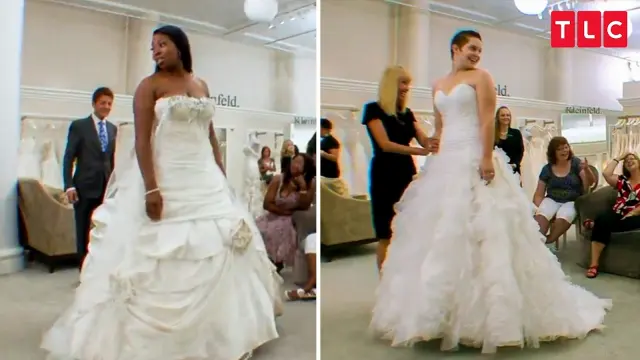
 Kleinfeld Bridal Features The Most Unusual Wedding Dresses
 An Unexpected Bridal Appointment On Say Yes To The Dress
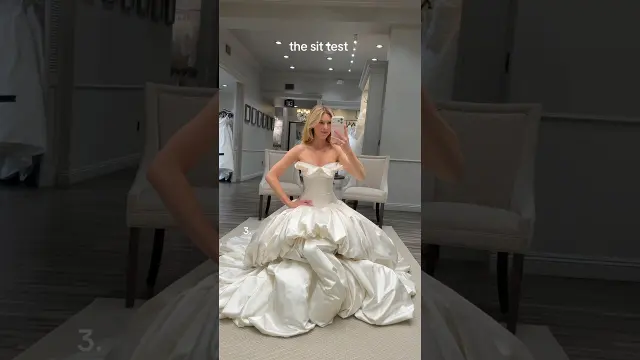 Which Wedding Dress Style Would You Choose From This Selection
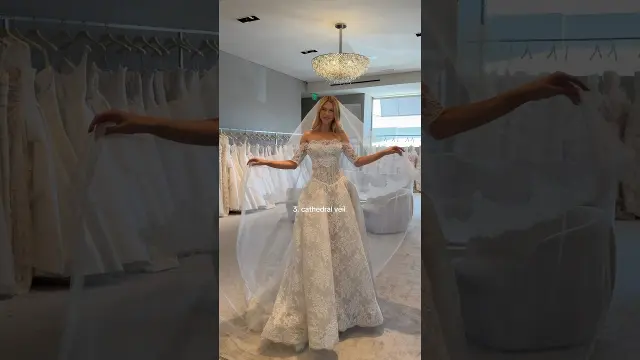 Lace Wedding Dress That Transforms Into Three Different Looks
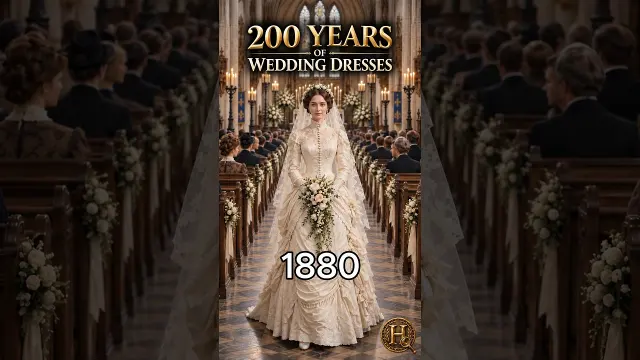 Two Hundred Years Of Wedding Dresses From 1840 To 2040
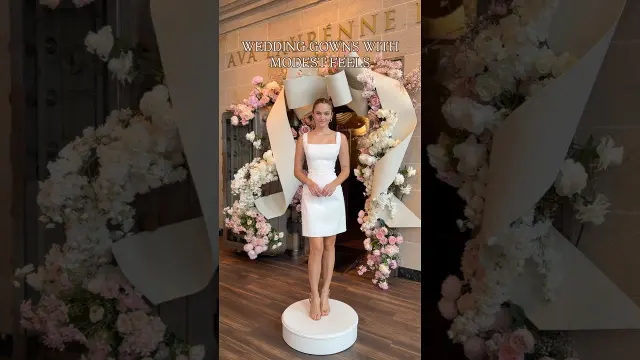 Four Gorgeous Modest Wedding Dresses Featuring One of a Kind Gowns
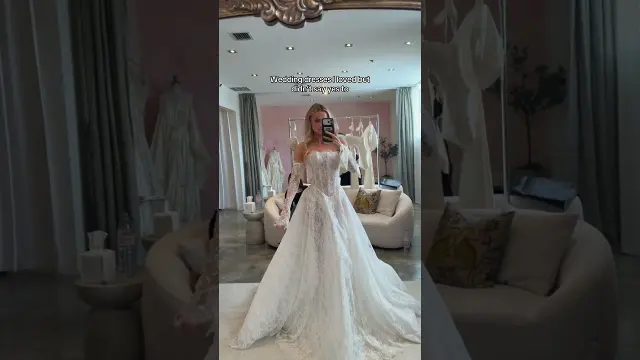 Wedding Dresses Tried On During Dress Shopping But Not Chosen
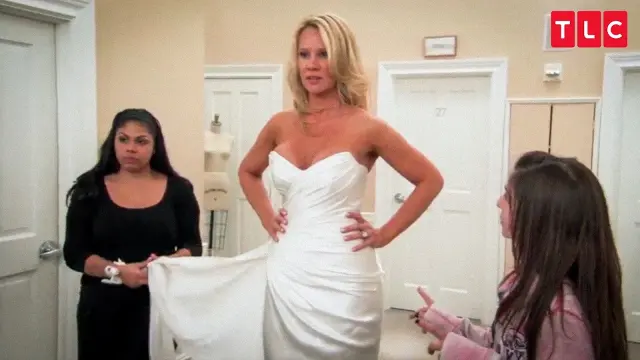 Stunning Wedding Dress Reveals From Say Yes To The Dress
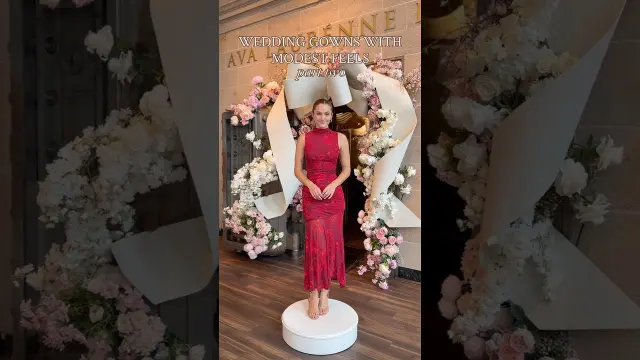 Four Sophisticated And Romantic Modest Wedding Gowns
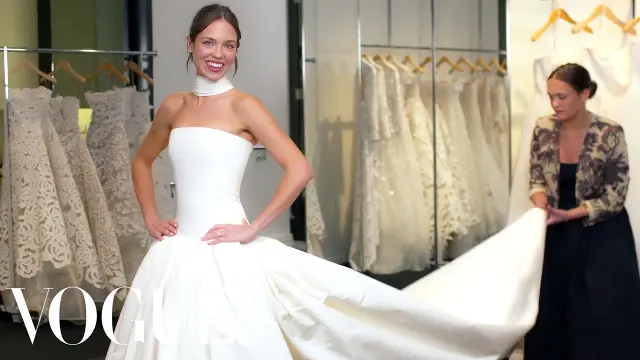 Inside Claudia Sulewski Wedding Dress Fitting With Oscar de la Renta
Get new #Wedding Dresses ideas by email
Every Thursday: the week's best ideas, with the newest from #Wedding Dresses.
Related tags
Wedding Dresses Guide
Wedding dresses
A wedding dress is more than a special outfit. It is the gown worn for a wedding ceremony and often for the celebration that follows, chosen to reflect the wearer’s taste, the formality of the event, and the atmosphere of the day. Wedding dresses have a long history, but their meaning is simple: they mark an important moment and help the bride feel confident, comfortable, and herself.
The idea of a separate bridal dress became especially familiar in Western weddings over time, and today wedding dresses come in many shapes and styles. Some are traditional and understated, while others are elaborate, modern, or highly personal. There is no single correct look. The right dress is the one that suits your body, your movement, and the kind of wedding you are planning.
Common styles
Read more
Wedding dresses are often described by their silhouette.
- A-line: fitted at the bodice and gradually widening toward the hem, a classic shape that suits many figures.
- Ball gown: a fitted bodice with a full skirt, often chosen for a formal, dramatic effect.
- Mermaid or trumpet: fitted through the body and flaring lower down, creating a more sculpted line.
- Sheath: narrow and flowing, with a simple shape that follows the body.
- Empire waist: the waistline sits higher, just below the bust, with fabric falling softly from there.
- Tea-length or shorter styles: practical and playful, sometimes chosen for less formal weddings or a second outfit.
Necklines, sleeves, and backs also change the look of a dress. Some brides prefer straps or sleeves for support or modesty, while others choose off-the-shoulder, strapless, or illusion details for a lighter feel.
Fabrics and details
Wedding dresses can be made from many fabrics, each with a different effect. Satin and mikado create structure and a polished surface. Tulle feels soft and airy. Lace adds texture and can be delicate, romantic, or intricate. Chiffon drapes gently and moves easily. Embroidery, beadwork, appliqué, pleats, and buttons can add detail without changing the overall shape.
When you look at a dress, notice not only how it looks from the front, but how it feels when you sit, walk, and raise your arms. Comfort matters just as much as appearance, especially for a dress worn for many hours.
Choosing a dress
Beginners often find it helpful to start with a few practical questions.
- What kind of venue are you getting married in?
- Do you want a formal, relaxed, traditional, or modern feeling?
- Do you need easy movement for dancing, stairs, or outdoor ground?
- Do you want sleeves, straps, or a neckline that offers more coverage?
- How much alteration work might the dress need?
Trying on different silhouettes can be useful, even if you think you already know what you want. A dress that looks beautiful on a hanger may feel different once it is on your body, and a shape you had not considered may turn out to be the most flattering or comfortable.
Fitting and alterations
Almost every wedding dress benefits from alterations. Hems, straps, bust support, and waist shaping often need adjustment so the gown fits properly. It is wise to leave enough time for this process, since a good fit can change the whole look of the dress.
Bring the shoes and undergarments you expect to wear when you try on the gown for fitting. If you plan to wear a veil, jacket, or other layer, think about those details early too.
A dress that feels like you
The most memorable wedding dresses are not always the most elaborate ones. Some are simple and elegant, some are richly detailed, and some are custom-made or even sewn by hand. What matters most is that the dress supports the feeling you want on your wedding day: graceful, joyful, confident, and authentic.
Videos come from YouTube and posts from Instagram; titles and summaries are our own. All rights belong to their creators.