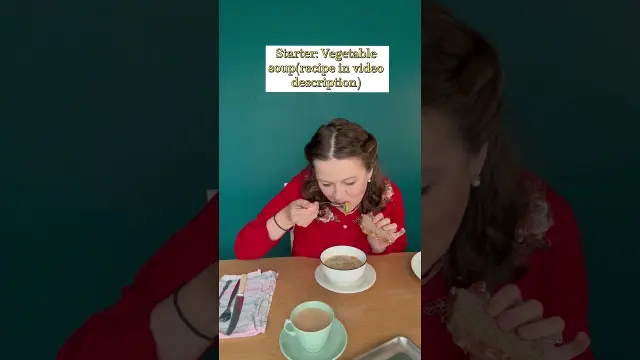
 Cooking a 1940s British Restaurant Leek Potato and Carrot Soup
#WW2
3 ideas
Cooking a 1940s British Restaurant Leek Potato and Carrot Soup
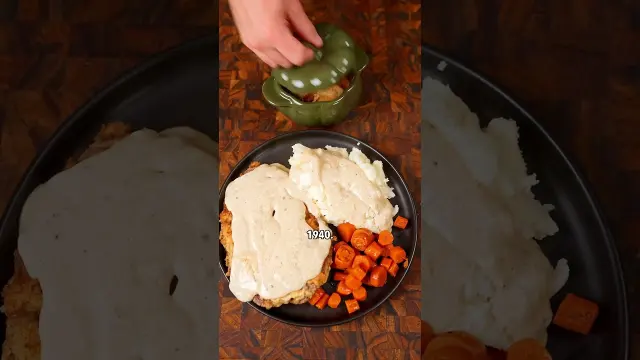 Preparing a 1940s Minimum Wage Dinner Recipe
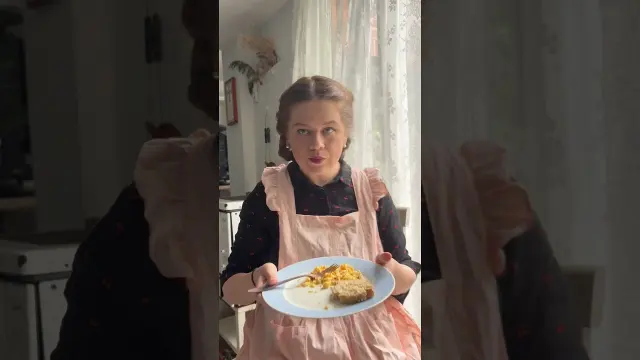 Daily Diet of a Nursing Mother in 1940s Britain
Get new #WW2 ideas by email
Every Thursday: the week's best ideas, with the newest from #WW2.
Related tags
A Beginner's Guide to the Second World War
The Second World War was the largest conflict of the twentieth century, drawing in nations on every inhabited continent and touching the lives of civilians far from any battlefield. It grew out of the unresolved tensions of the years that followed the First World War, from aggressive expansion by militarist regimes, and from a system of alliances that pulled one country after another into the fighting. For anyone approaching the subject for the first time, it helps to think of it not as a single war but as several overlapping ones: a war of armies and industry in Europe, a vast campaign across the Pacific, a struggle in North Africa and the Mediterranean, and a long, brutal war on the Eastern Front.
The war behind the front lines
What makes this period so compelling to so many people is that it was fought as much in kitchens, factories and schools as in trenches. Rationing, civil defence, evacuation, blackouts, salvage drives and communal air-raid shelters reshaped ordinary daily life. Home fronts produced the food, fuel and munitions that armies depended on, and women entered industrial work on a scale that changed expectations for generations afterwards. This is why so much modern interest in the period centres on domestic history: wartime recipes, make-do-and-mend clothing, allotment gardening, and the small stratagems of feeding a family on limited supplies.
Ways into the subject
Read more
You do not need to memorise battle orders to begin. Most people find a doorway that suits them:
- Family history, tracing a relative's service record, letters or photographs.
- Social history, looking at housing, schooling, fashion and food.
- Technology and industry, from radar and codebreaking to mass production.
- Medicine and nursing, including the treatment of wounds and the care of refugees.
- Art, film, music and literature produced during the period.
Practical advice for beginners
Start with one narrow question rather than the whole war, and follow it as far as it takes you. Read widely and prefer accounts written by historians who cite their sources; personal memoirs and diaries are moving and valuable, but they record one person's view of events. When you handle original documents, photographs or objects, keep them dry, out of direct sunlight, and store them flat, and consider scanning them so the information survives. If you cook from historical recipes, remember that food safety standards have changed and that old instructions for preserving and canning may no longer be reliable.
Remembering well
The war left deep marks: occupation, displacement, genocide, grief and long separations. Approach those subjects with patience and respect, and be wary of any account that is certain about everything. Commemoration is at its best when it is quiet, informed and generous, holding together the experiences of soldiers, civilians, children and those who lost everything. Curiosity, accuracy and humility make the best companions for anyone exploring this history.
#WW2: frequently asked questions
How do I start learning about World War II if I’m a beginner?
Start with one narrow angle, such as family history, home-front life, or a specific region of the war, instead of trying to cover everything at once. Then follow reliable sources that explain the bigger picture while also showing how everyday people experienced the conflict.
What do I need to begin a World War II research project or collection?
A notebook or folder for saving sources, plus copies of letters, photos, recipes, or records, is usually enough to begin. If you have original items, keep them dry, out of direct sunlight, and stored flat so they last longer.
Which part of World War II should I focus on first?
Choose the side of the war that matches your interest, such as military campaigns, home-front life, technology, or family stories. Many people find the domestic history especially engaging because it connects rationing, clothing, food, and daily routines to the wider war.
How can I care for World War II documents, photos, or keepsakes?
Handle them gently, store them in a cool, dry place, and avoid direct sunlight and damp. Scanning or photographing them is a good way to preserve the information even if the original item is fragile.
What are some good World War II ideas for cooking or home-style projects?
Wartime-style soups, simple family meals, and recipes inspired by rationing are popular ways to explore the home front. You can also try make-do-and-mend clothing ideas or allotment gardening projects to reflect everyday life during the period.
What common mistakes should I avoid when studying or recreating World War II history?
Don’t rely on a single memoir or one dramatic source, because personal accounts show only one perspective. It also helps to avoid assuming old food instructions, especially for preserving or canning, are still safe to follow exactly as written.
Videos come from YouTube and posts from Instagram; titles and summaries are our own. All rights belong to their creators.