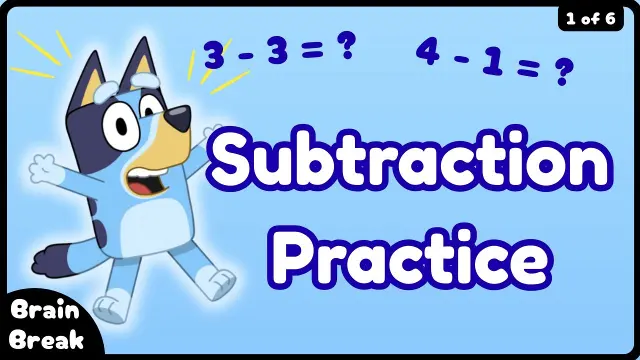
 High Energy Subtraction Brain Break Movement Game for Kids
#Active Learning
1 ideas
High Energy Subtraction Brain Break Movement Game for Kids
Get new #Active Learning ideas by email
Every Thursday: the week's best ideas, with the newest from #Active Learning.
Related tags
Active Learning: Learning by Doing
Active learning is a way of learning that asks you to take part, not just listen. Instead of only reading, watching, or hearing information, you work with it through discussion, practice, problem-solving, movement, writing, or making something. The idea is simple: when you use knowledge actively, it often becomes easier to understand and remember.
This approach is used in classrooms, workshops, homeschooling, training sessions, and everyday self-study. It can be adapted to almost any subject, from language and maths to art, science, and practical life skills. Active learning is especially helpful when a topic feels abstract, because it gives you a chance to test ideas in a real or simulated way.
What active learning includes
Active learning can look very different depending on the age of the learner and the subject. Some common forms include:
Read more
- asking and answering questions
- group discussions and paired work
- demonstrations and hands-on experiments
- role play and problem-solving tasks
- drawing, sorting, matching, and creating
- short movement breaks or learning games
- reflection, journaling, and self-checking
The key feature is participation. You are not only receiving information; you are processing it, using it, and making decisions with it.
Why it helps
When you actively engage with a topic, you notice what you understand and what still needs work. That makes learning more meaningful and less passive. It can also keep attention focused, especially for learners who find long periods of sitting and listening difficult.
Active learning is useful because it often encourages:
- deeper understanding
- better memory
- confidence in using new skills
- communication and collaboration
- curiosity and independence
It can also make learning feel more enjoyable, because the learner is involved rather than simply observing.
Ways to make learning more active
You do not need special materials to begin. Even small changes can make a lesson more active. Try asking the learner to explain an idea in their own words, solve a simple problem, or teach part of the topic back to you. You can also use everyday objects for sorting, counting, comparing, or building.
If you are teaching children, movement can help, especially in shorter bursts. A quick game, a physical response to a question, or a simple task with actions can make learning more memorable. For older learners, note-taking, debate, case studies, and practical projects can be effective.
Tips for beginners
Start with one small activity instead of trying to change everything at once. Keep instructions clear and the task focused on a single learning goal. Active learning works best when it is structured enough to feel manageable, but open enough for the learner to think.
It also helps to leave time for reflection. After an activity, pause and ask what was learned, what felt easy, and what needs more practice. That short review can turn activity into lasting understanding.
Active learning is not about constant movement or noise. It is about thoughtful participation. When you give yourself or another learner a chance to interact with ideas, learning often becomes more confident, practical, and memorable.
Videos come from YouTube and posts from Instagram; titles and summaries are our own. All rights belong to their creators.