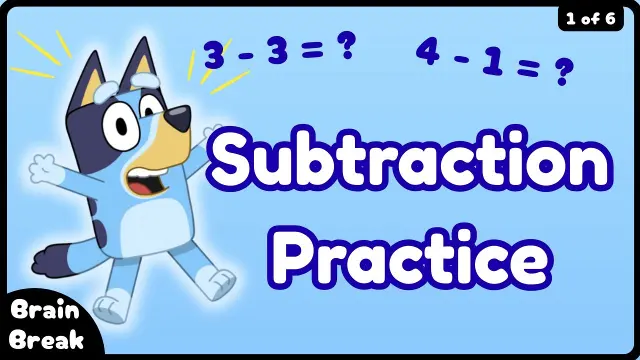
 High Energy Subtraction Brain Break Movement Game for Kids
#Brain Breaks
1 ideas
High Energy Subtraction Brain Break Movement Game for Kids
Get new #Brain Breaks ideas by email
Every Thursday: the week's best ideas, with the newest from #Brain Breaks.
Related tags
Brain Breaks: What They Are and How They Help
What brain breaks are
Brain breaks are short pauses that help the mind reset during periods of focus, learning, or repetitive work. They are usually brief, simple activities that shift attention away from a task and give the body or brain a change of pace. A brain break can involve movement, breathing, stretching, a quick game, or a quiet moment of rest.
People of all ages use brain breaks, but they are especially common in classrooms, at home with children, and during long stretches of desk work. They are not meant to replace rest, sleep, or breaks between meals. Instead, they offer a small pause that can make it easier to return to a task with more attention and less frustration.
Why they are useful
Read more
Sitting or concentrating for too long can make it harder to stay engaged. A short break can help reduce mental fatigue and restlessness. For children, brain breaks are often used to support attention, self-control, and transitions between activities. For adults, they can help interrupt strain from screen time or long periods of sitting.
A brain break does not need to be complicated to be effective. The goal is to change focus briefly. That might mean standing up and stretching, taking a few deep breaths, or moving in a playful way for a minute or two. Some breaks are calming, while others are energizing.
Common kinds of brain breaks
There are many simple forms of brain breaks, and the best choice depends on the situation.
- Movement breaks: marching in place, jumping, dancing, stretching, or walking around
- Breathing breaks: slow breathing, counting breaths, or quiet relaxation
- Mind games: quick memory challenges, riddles, or simple pattern activities
- Sensory breaks: noticing sounds, naming colors, or holding and releasing tension
- Quiet resets: closing the eyes briefly, drinking water, or sitting in silence
In school settings, brain breaks are often used between lessons or after focused work. At home, they can help during homework, chores, or long periods of screen use. In offices, they can be a practical way to interrupt sitting and refocus.
What to keep in mind
If you are choosing a brain break, keep it short and simple. A good break should feel easy to start and easy to stop. It should match the energy level you need afterward. For example, a high-energy movement break may help when you feel sluggish, while a calm breathing break may suit a noisy or overstimulating moment.
It also helps to set clear limits. A brain break works best when it has a beginning and an end, so it does not turn into a distraction that is hard to leave. If you are using brain breaks with children, clear instructions and predictable routines can make them smoother and more effective.
A simple way to use them
You can think of a brain break as a reset button. When attention fades, energy gets restless, or frustration builds, a short pause can help create a fresh start. Over time, this habit can make work sessions, study time, and daily routines feel more manageable and balanced.
Videos come from YouTube and posts from Instagram; titles and summaries are our own. All rights belong to their creators.