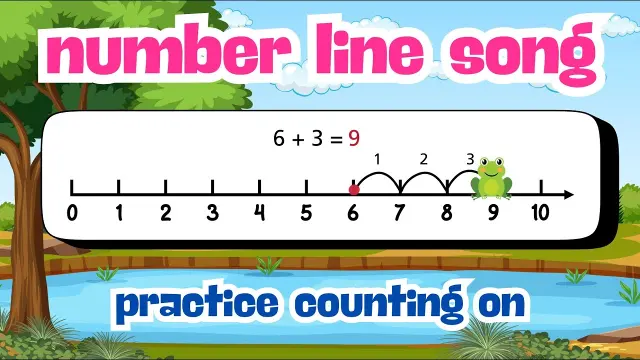
 Number Line Addition Song and Strategies for Kids
#Addition
23 ideas
Number Line Addition Song and Strategies for Kids
 Fun Basic Addition Math Quiz Activity for Young Children
 Triple Addition of Random Step Squad Numbers
 Counting Big Numbers from 1 Thousand to 10 Billion
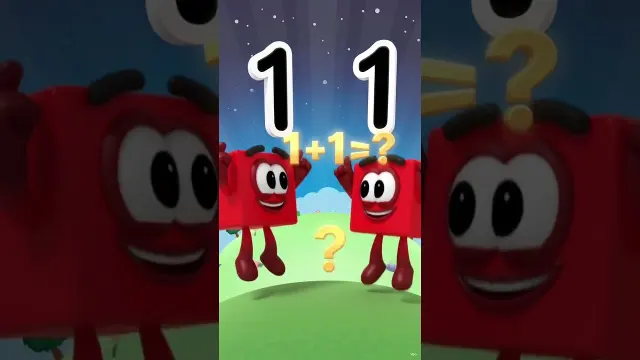 Magic Addition for Kids with Cute Blocks
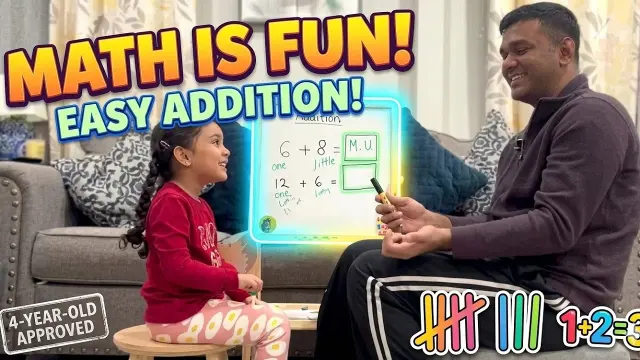 Easy Math Addition Using the Tally Method for Kids
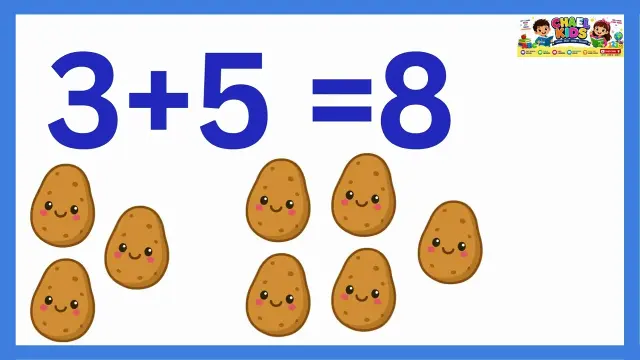 Addition Math Lesson and Quiz for Grade 1 Students
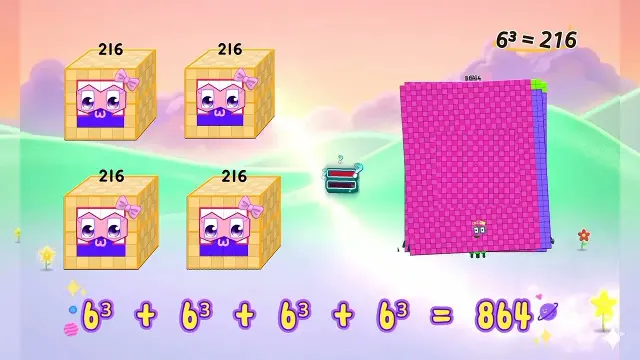 Addition of Four Identical Cube Numbers
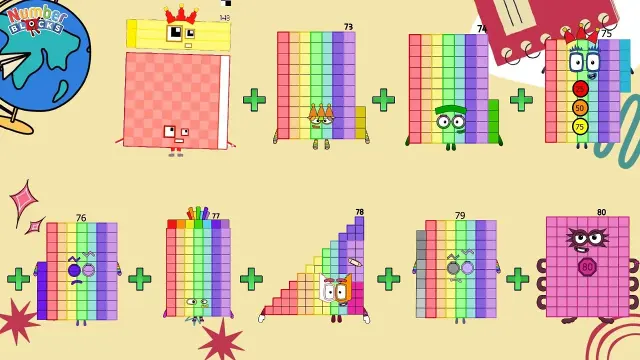 Numberblocks Addition Counting Up from 10 to 100
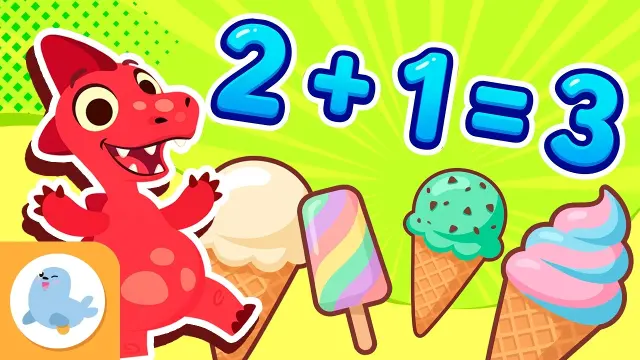 Addition Song and Visual Problems for Kids
 Practice iReady Math for First Grade with Fun Activities
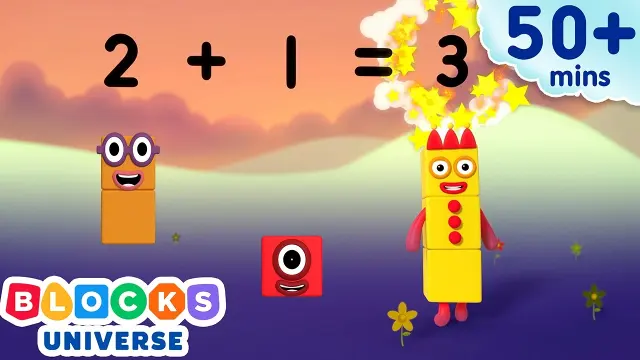 Simple Sums and Counting Basics with Numberblocks
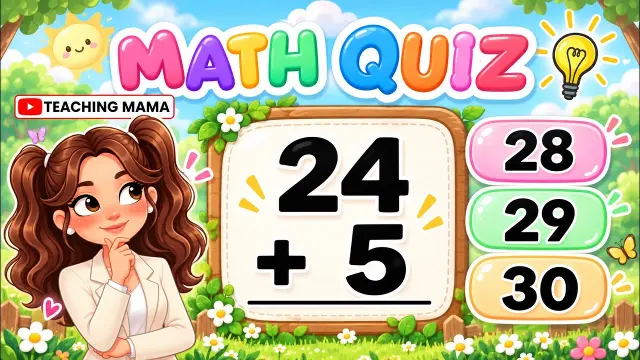 Fun Basic Addition Math Quiz Activity for Young Children
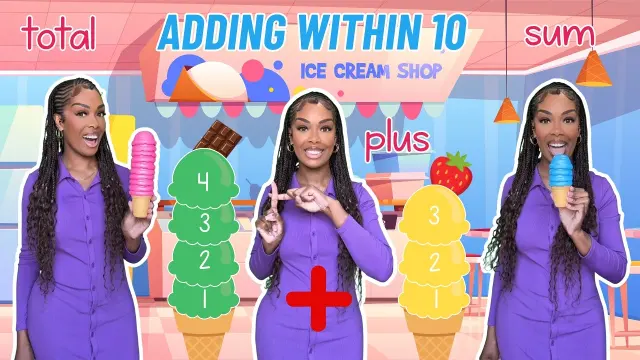 Adding Within Ten Math Lesson For Young Learners
 Magic Number Blocks Addition for Kids
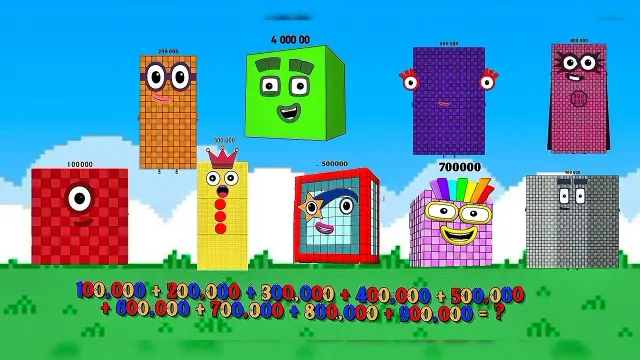 Big Number Addition from 10 to 9 Million
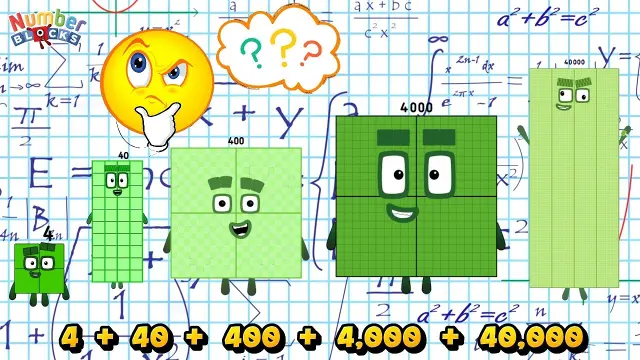 Numberblocks Addition With Big Numbers and Patterns
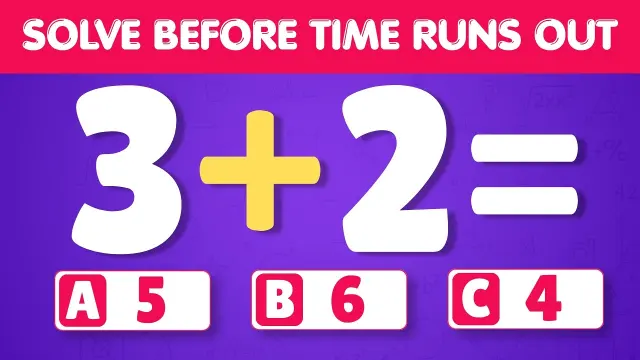 Addition Quiz for Kindergarten and Grade 1
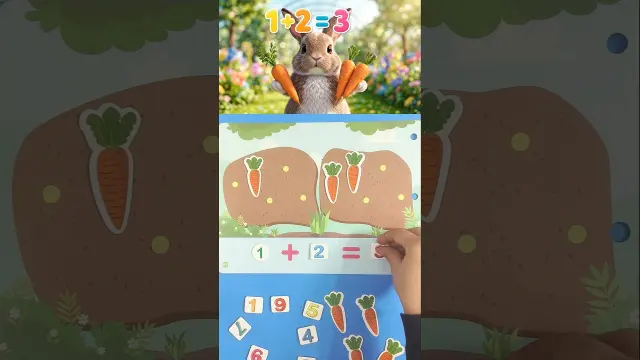 Easy Addition Song and Counting Carrots for Kids
 Adding Numbers with Sums Up to 100 Without Regrouping
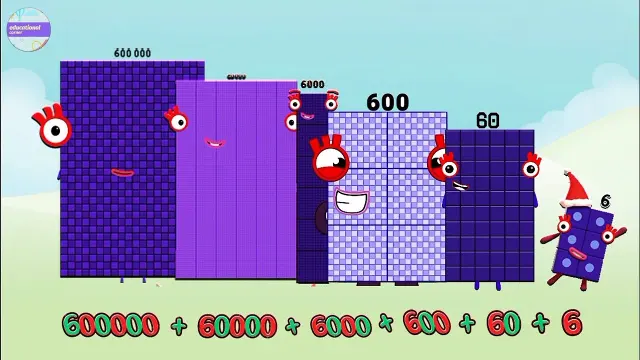 Numberblocks Addition of Big to Small Numbers
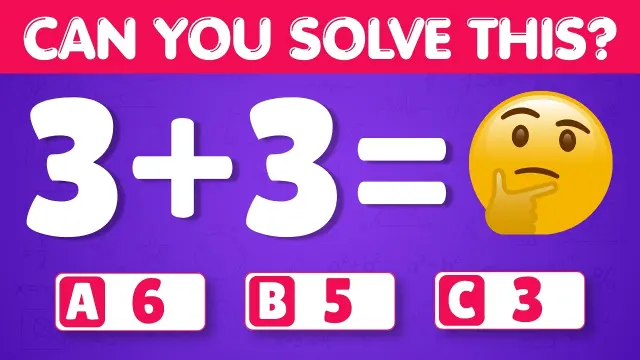 Kids Math Challenge: Timed Addition Practice Problems
 My First Math Adventure 1998 PC Game Playthrough
Get new #Addition ideas by email
Every Thursday: the week's best ideas, with the newest from #Addition.
Related tags
Addition: The Basics of Combining Numbers
What addition is
Addition is the mathematical process of combining two or more numbers to make a total. It is one of the first ideas you meet in arithmetic, because it appears in everyday life: counting objects, adding prices, measuring ingredients, or working out how many items you have altogether.
You can think of addition as putting groups together. If you have 3 apples and then add 2 more, you now have 5 apples. The answer is called the sum. The numbers being added are called addends.
How addition works
Read more
Addition is built on counting forward. When you add 1 to a number, you move to the next number in the count. For larger numbers, you may count on in steps, use a number line, or break numbers into parts that are easier to combine.
For example:
- 7 + 2 means count forward two steps from 7.
- 8 + 5 can be seen as 8 + 2 + 3, which makes 10 + 3 = 13.
This idea of making a round number first is often helpful when you are learning mental math.
Common kinds of addition
Addition can be used in several forms:
- Single-digit addition, such as 4 + 3
- Two-digit or larger addition, such as 26 + 18
- Adding more than two numbers, such as 2 + 5 + 1
- Column addition, where numbers are written one above the other
- Word problems, where you have to decide which numbers to combine
Each form uses the same basic idea, but the method may change depending on the size of the numbers.
Methods you may use
Beginners often start with objects or drawings. Counters, fingers, dots, or pictures can make the idea more concrete. As you grow more confident, you may use number lines, mental strategies, or written methods.
For larger numbers, column addition is common. You line up the place values so ones are under ones, tens under tens, and so on. Then you add each column separately, starting from the right. If a column makes 10 or more, you carry the extra value into the next column.
Tips for beginners
- Make sure you are combining the right numbers in the right order.
- Line up digits carefully when writing addition problems.
- Check your work by counting again or using a different method.
- Practice with small numbers before moving to bigger ones.
- Use everyday examples to see how addition works in real life.
A useful foundation
Addition is more than a school skill. It helps build number sense, supports later topics like subtraction and multiplication, and makes everyday calculations easier. The more familiar you become with it, the faster and more confident you will feel with numbers.
If you are just starting out, focus on understanding the idea of putting things together. Once that feels natural, the written rules and faster methods make much more sense.
Videos come from YouTube and posts from Instagram; titles and summaries are our own. All rights belong to their creators.