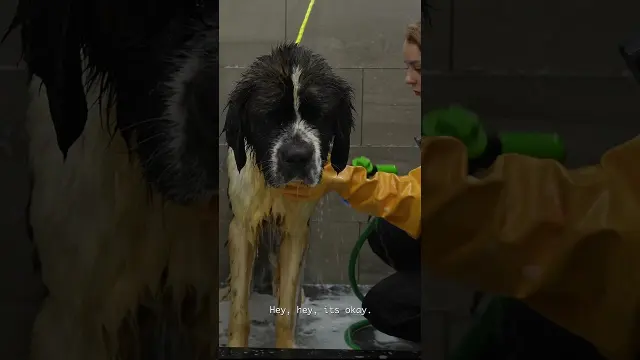
 A Very Neglected St. Bernard Gets Rescued and Groomed
#Animal Rescue
26 ideas
A Very Neglected St. Bernard Gets Rescued and Groomed
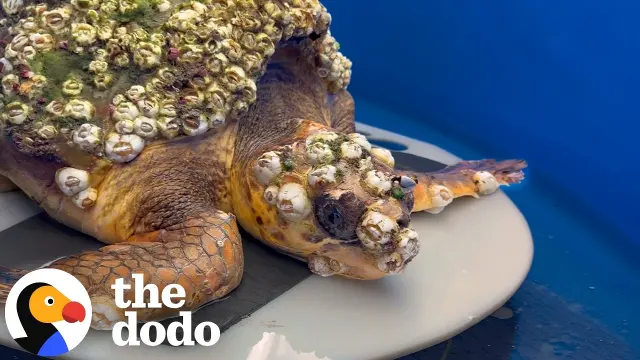 Sea Turtle Recovers After 92 Days of Rehabilitation
 Adopting a Dog Returned to the Shelter Three Times
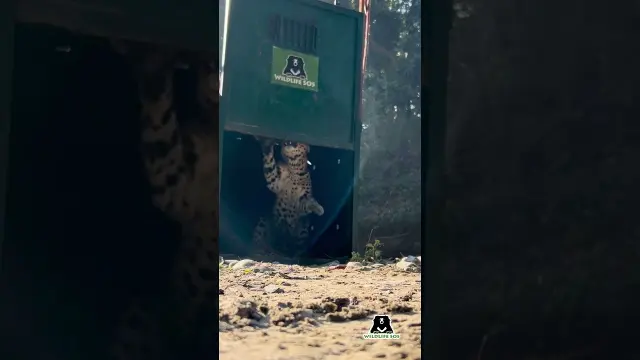 Safe Release of a Rescued Leopard Back Into the Wild
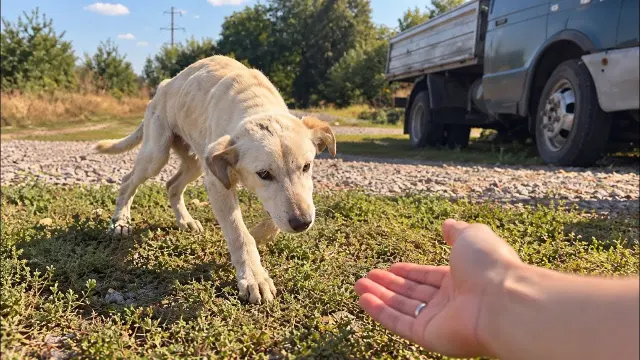 Animal Rescue Mission During the War in Ukraine
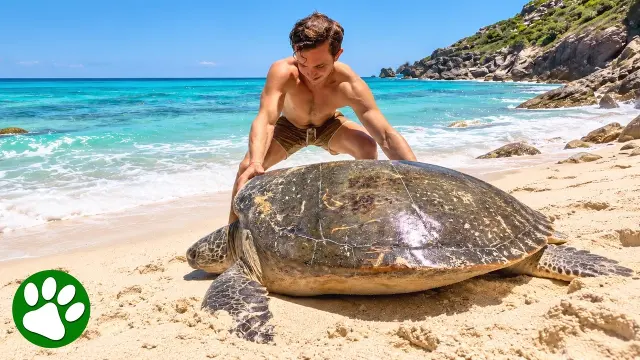 Stranded Sea Turtle Rescued on a Mexican Beach
 Seven Incredible Animal Rescue Moments Captured on Camera
 Rescuing a Sea Turtle Caught in Fishing Line
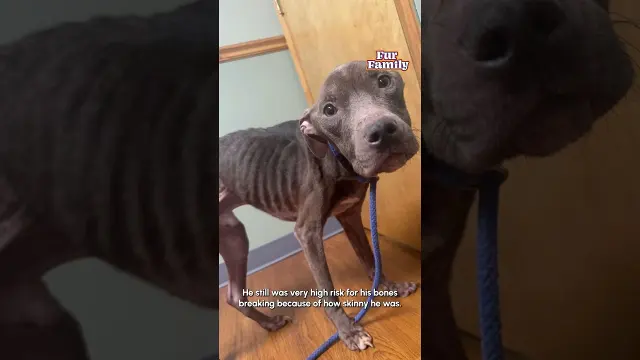 Rescuing Two Severely Malnourished Dogs in Need
 Rescued Cheetah Builds Trust With Caretaker
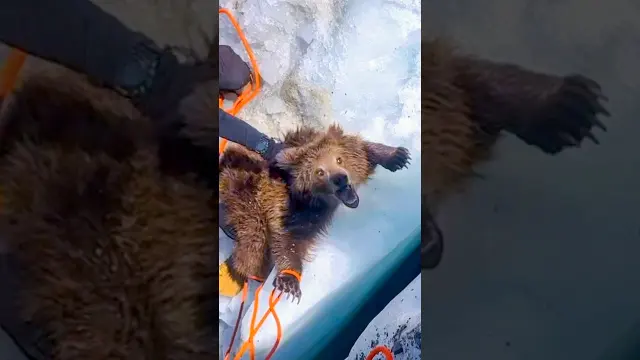 Mountaineers Rescue a Tiny Bear Cub Trapped in Ice
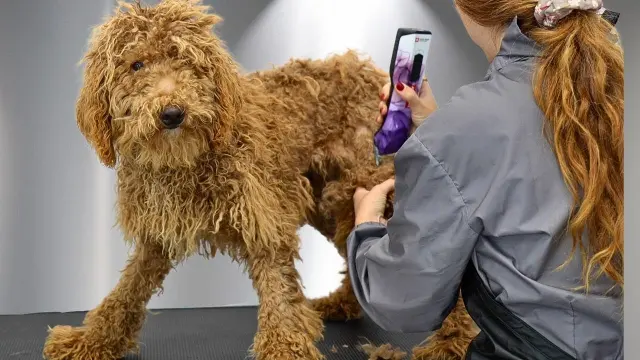 Rescue Poodle Gets Her First Professional Grooming Session
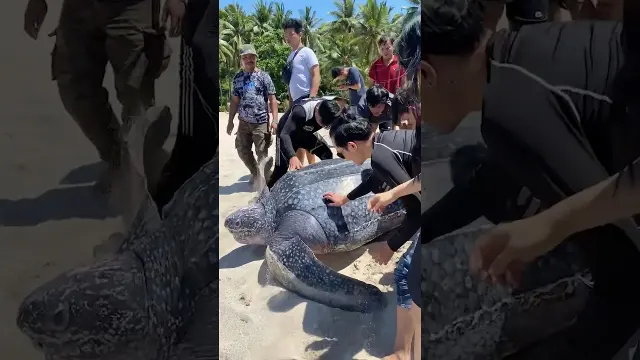 Helping a Giant Sea Turtle Back to Sea
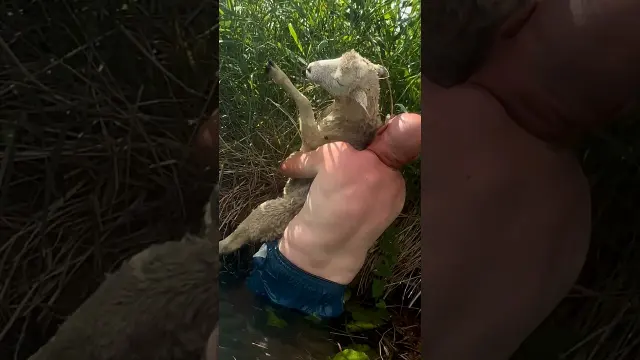 A Heavy Sheep Rescued From the Water's Edge
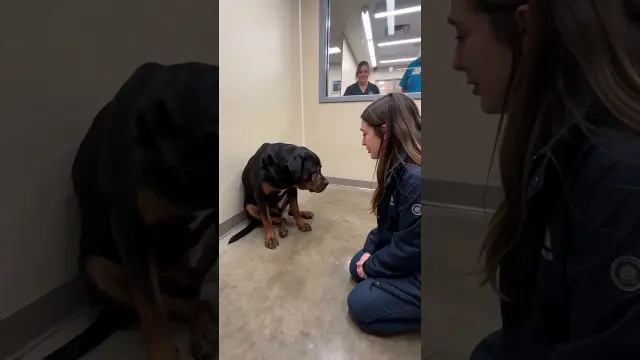 Scared Shelter Dog Slowly Learns to Trust Caretaker
 Inside the Virtual Wildlife Sanctuary With Maya Higa
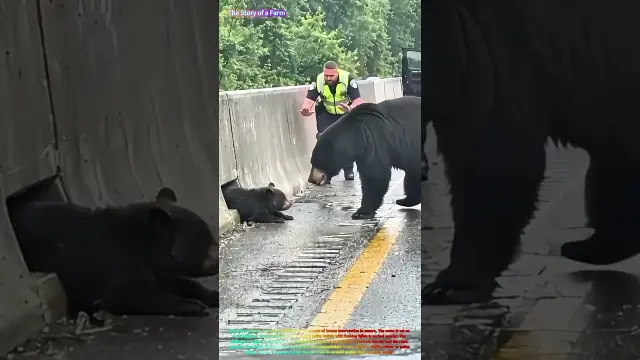 Rescuing a Trapped Bear Cub Stuck Near a Highway Barrier
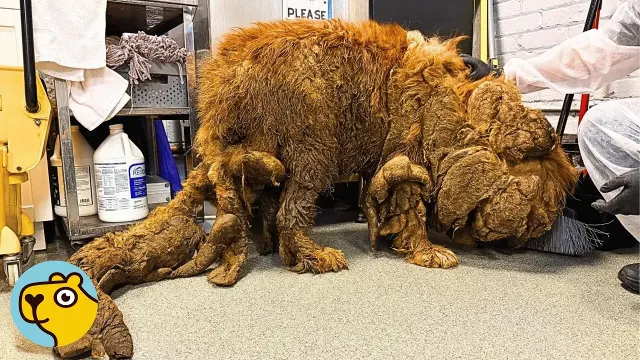 Police Officer Rescues Severely Matted Giant Dog
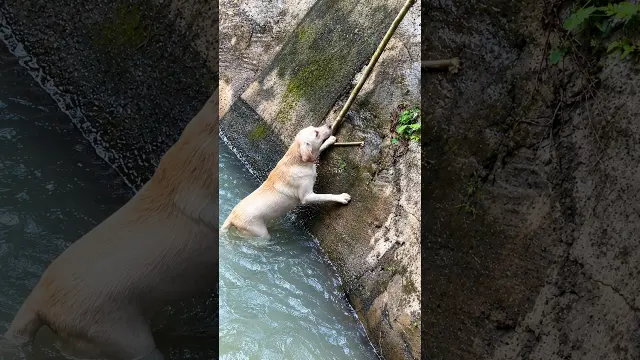 Man Refuses to Give Up on Dog Trapped in Canal
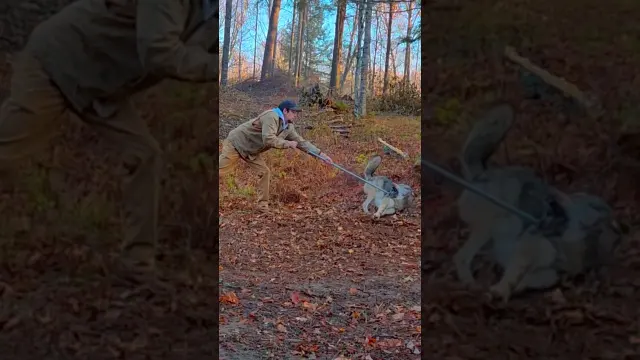 Patient Rescue and Release of a Wolf Caught in a Trap
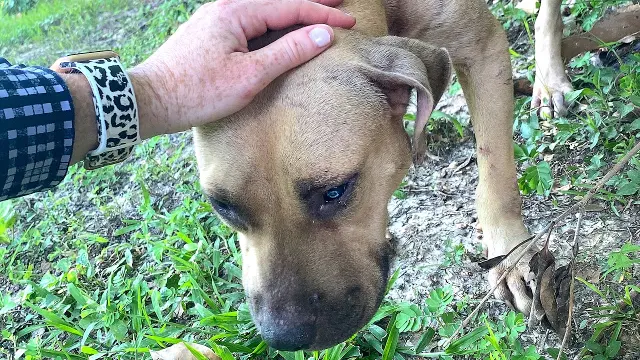 An Unexpected Morning Dog Rescue
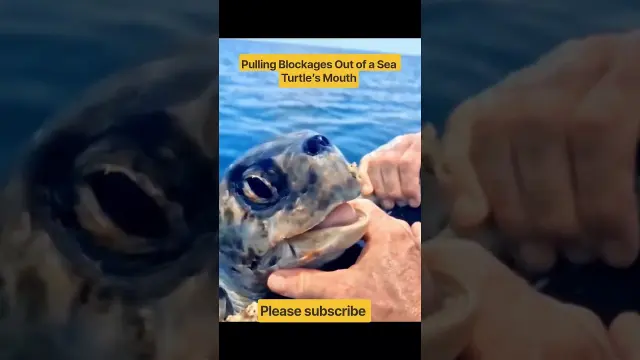 Rescuing a Sea Turtle Trapped in Pain
 Shelter's Longest Resident Hugs Her New Owner
 Comparing different heroic moments and animal rescues
Get new #Animal Rescue ideas by email
Every Thursday: the week's best ideas, with the newest from #Animal Rescue.
Related tags
Animal Rescue: Helping Animals in Need
Animal rescue is the act of helping animals that are injured, abandoned, trapped, neglected, or otherwise in danger. It can involve domestic animals like dogs and cats, farm animals, and wild animals such as birds, turtles, and other species that need urgent help. Rescue may mean removing an animal from immediate harm, giving first aid, transporting it to a safe place, or arranging long-term care.
What animal rescue involves
At its heart, rescue is about reducing suffering and giving an animal a chance to recover safely. Sometimes that means a simple intervention, such as opening a trapped gate or providing water. In other cases, it involves a larger network of people who help with capture, transport, veterinary care, rehabilitation, fostering, and adoption or release.
Animal rescue is used in many settings:
Read more
- emergency response to road accidents, floods, fires, or entanglement
- helping stray or abandoned pets
- caring for injured wildlife
- rehoming animals from unsuitable conditions
- supporting rehabilitation before an animal can return to the wild
Different kinds of rescue
There are several broad kinds of animal rescue. Companion-animal rescue usually focuses on pets that need shelter, medical attention, or a new home. Wildlife rescue works with native animals that are injured, orphaned, or displaced, often with the goal of release when possible. Large-animal rescue may involve horses, livestock, or other animals that need safe movement and temporary care.
Each kind of rescue calls for different knowledge. A frightened dog, for example, needs different handling from a sea turtle caught in debris or a bird with a wing injury. What they all have in common is the need for calm, careful action.
What beginners should know
If you want to help, the most important skill is to stay safe. A distressed animal may bite, scratch, kick, or struggle, even if it is usually gentle. Keep your distance, speak quietly, and avoid sudden movements.
A few practical basics can help:
- do not feed an animal unless you know it is safe to do so
- avoid chasing or cornering frightened animals
- use towels, boxes, blankets, or carriers only if you know they are appropriate
- contact a local shelter, wildlife rehabilitator, veterinarian, or rescue group when needed
- wash your hands after handling animals or equipment
For wildlife, it is often best to observe first and assess whether the animal is truly in distress. Some young animals are not abandoned even if they appear alone. If an animal is injured, tangled, cold, or unable to move normally, professional help is usually the best choice.
Rescue, recovery, and care
Rescue does not end when an animal is found. Recovery may take time, patience, and steady care. Animals may need food, warmth, wound care, medication, quiet surroundings, and gradual socialization. Some recover quickly; others need weeks or months of rehabilitation.
If the animal is a pet, rescue may lead to fostering or adoption. If it is wildlife, the goal is often to restore health and release it back into a suitable habitat. In every case, the aim is the same: to give the animal safety, comfort, and the best possible chance to heal.
Videos come from YouTube and posts from Instagram; titles and summaries are our own. All rights belong to their creators.