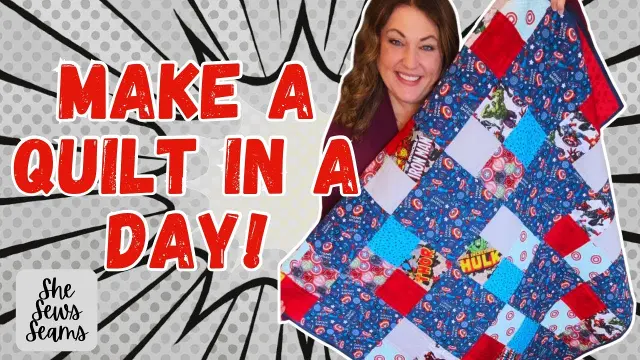
 Fast Four Patch Baby Quilt Tutorial for New Sewists
#Baby Quilt
3 ideas
Fast Four Patch Baby Quilt Tutorial for New Sewists
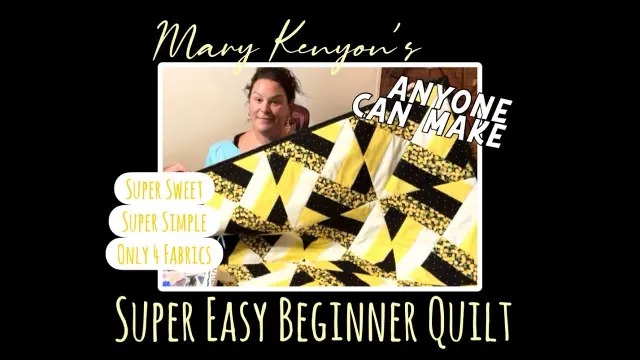 Easy and Impressive Scrappy Baby Quilt Tutorial
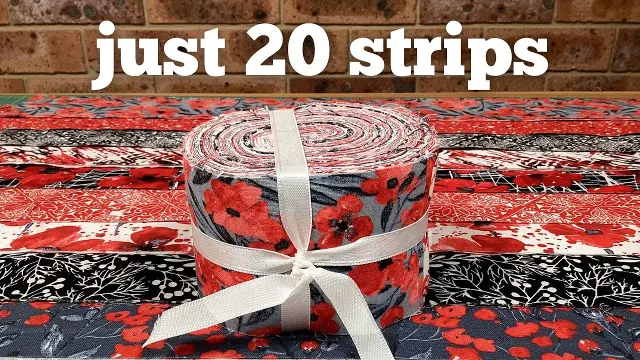 Fast and Easy Jelly Roll Baby Quilt Made in One Day
Get new #Baby Quilt ideas by email
Every Thursday: the week's best ideas, with the newest from #Baby Quilt.
Related tags
Baby Quilt Guide: Sizes, Styles and Sewing Tips
A baby quilt is a small, soft quilted blanket made especially for infants and toddlers. Part blanket, part keepsake, it sits somewhere between practical nursery equipment and an heirloom that families keep long after the child has grown. Quilting itself is an old craft: layers of fabric held together with stitches, a practice found in many cultures around the world, from patchwork bedcovers to padded jackets. The baby quilt is simply that idea scaled down to something a newborn can be wrapped in.
Why the size matters
Small is the defining feature. Most baby quilts are sized to fit a crib or to be used as a floor mat during tummy time, so they are easy to fold, wash and carry. Because they are compact, they are also the ideal first project for someone learning to quilt: you can practise cutting, piecing, basting and quilting without committing to the scale of a full bed quilt. If you are working from a pattern, check the finished measurements rather than assuming, since "baby" covers a range of sizes.
Common styles and techniques
Read more
The main families of baby quilts are patchwork, appliqué and wholecloth. Patchwork is the classic: squares, triangles or strips sewn together into a design. Simple four-patch blocks, charm squares and jelly roll strips are all beginner-friendly ways into it. Appliqué means sewing a shape onto a background fabric, popular for animals, letters and soft motifs. Wholecloth quilts skip piecing entirely and rely on the quilting pattern itself for interest, which makes them quick to assemble but demanding in stitching.
Scrappy quilts use up leftover fabric in many colours, while more planned designs stick to a palette of two or three. Both work well for babies; contrast and repetition matter more than the number of fabrics.
Choosing fabric
Cotton is the usual choice because it is breathable, washes well and holds a crease for piecing. For the backing, look for something soft and smooth. Pre-washing fabric is a matter of personal preference but helps prevent shrinkage and colour bleeding later. Avoid anything scratchy, heavily beaded or loosely woven near a baby's face.
Practical tips for beginners
- Press seams as you go; it makes the piecing lie flat and the quilting easier.
- Use a walking foot or a slightly looser tension if the layers shift under the needle.
- Baste thoroughly. Many wobbly first quilts come from insufficient pinning or spraying.
- Quilt with a design you can actually stitch, such as straight lines or a gentle grid, rather than an ambitious free-motion pattern.
- Bind the edges securely and check for stray pins before giving it away.
A gift that lasts
Baby quilts are often made for births, christenings or first birthdays, and a label on the back with a name and a date turns them into keepsakes. Wash in mild detergent and let them dry flat or on low heat. Made with care, a small quilt gets used hard, gets washed often, and still comes out of the machine ready for another day on the floor.
#Baby Quilt: frequently asked questions
How do I start making a baby quilt if I’m a beginner?
Start with a small, simple design that uses basic shapes such as squares or strips. A baby quilt is a good first project because it lets you practice cutting, piecing, and quilting without the pressure of a large quilt.
What fabric is best for a baby quilt?
Soft cotton is the most common choice because it is breathable, easy to sew, and holds up well to washing. For the backing, choose something smooth and gentle, and avoid fabrics that feel scratchy or have loose texture near a baby's skin.
Which style of baby quilt is easiest to make?
Patchwork is usually the easiest place to begin, especially simple block layouts like four-patch or strip-based designs. Wholecloth quilts can also be simple to assemble, but they need neat stitching to look polished.
How should I care for a baby quilt?
Wash it with mild detergent and dry it flat or on a low setting so it stays soft and keeps its shape. It also helps to check the quilt before use and make sure the binding, seams, and edges are secure.
What are some good occasions for giving a baby quilt?
Baby quilts make thoughtful gifts for births, christenings, and first birthdays. Adding a label with a name or message can turn it into a keepsake the family will treasure.
What mistakes should I avoid when making a baby quilt?
A common mistake is choosing fabric that is too rough, too slippery, or hard to wash. Another is rushing the prep work, since careful pressing, basting, and secure binding make the finished quilt look better and last longer.
Videos come from YouTube and posts from Instagram; titles and summaries are our own. All rights belong to their creators.