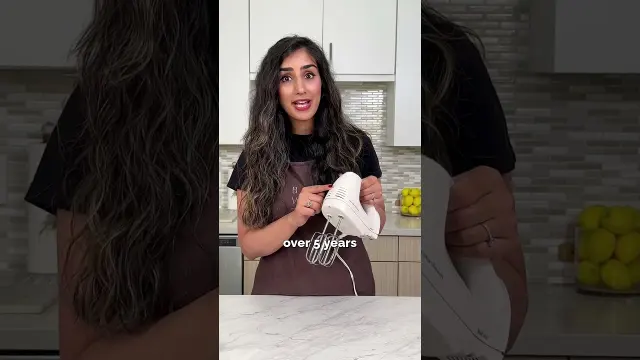
 Essential Baking Tools And Equipment For Beginners
#Baking Basics
13 ideas
Essential Baking Tools And Equipment For Beginners
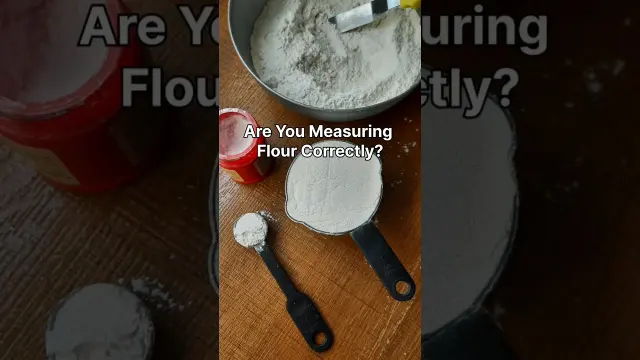 Correctly Measuring Flour For Baking Success
 Thirteen Essential Baking Tips For Kids
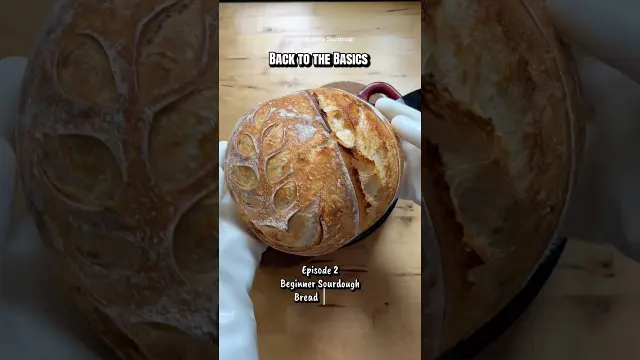 Easiest Beginner Friendly Sourdough Bread Recipe
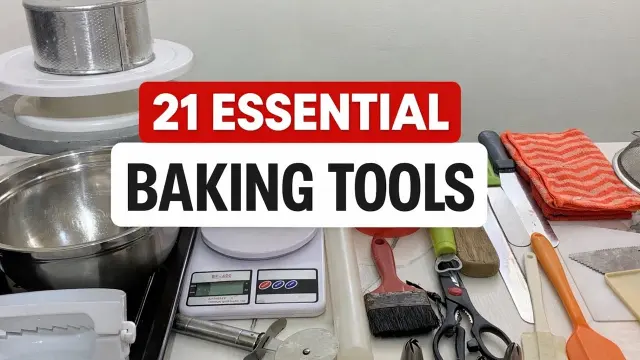 Twenty One Essential Baking Tools Every Baker Needs
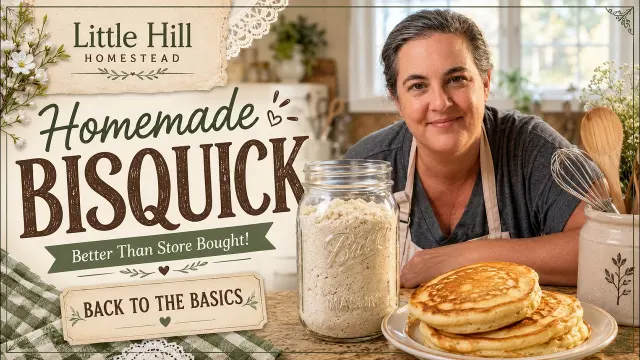 How To Make Homemade Bisquick Baking Mix
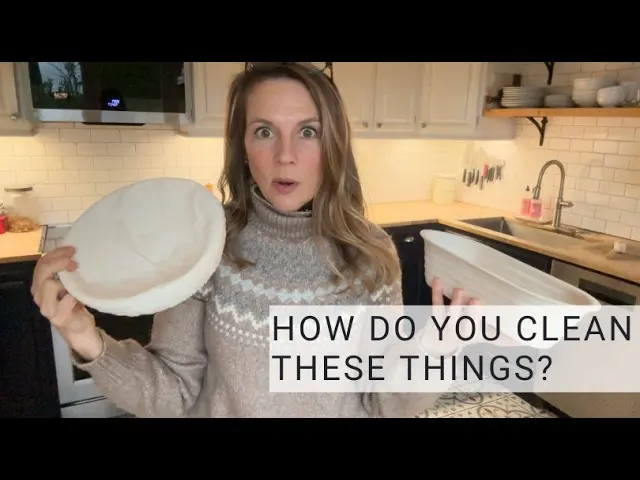 How To Properly Clean And Maintain Banneton Baskets
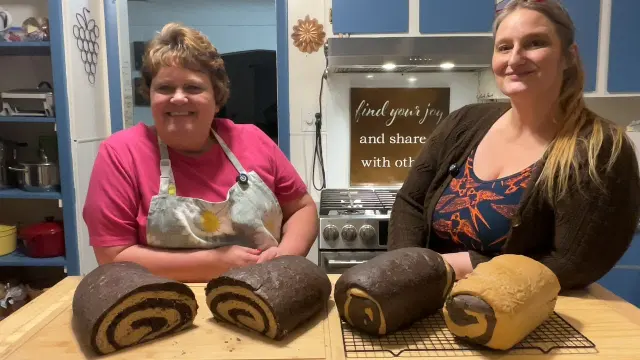 Pumpernickel Rye Swirl Bread Baking Tutorial
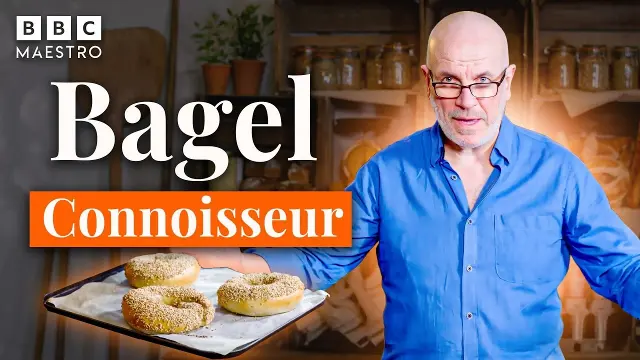 How To Prepare Perfect Bagels At Home
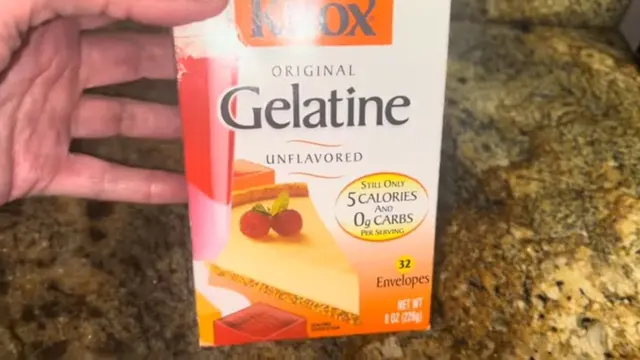 Step-by-Step Guide on How to Bloom Knox Gelatine
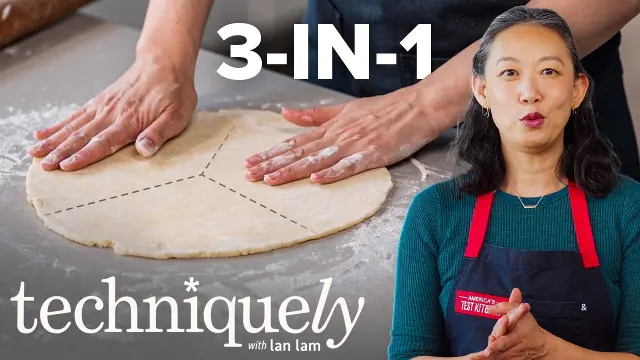 Foolproof All Butter Pie Crust Technique
 Bold Baking Basics Series Recap And Highlights
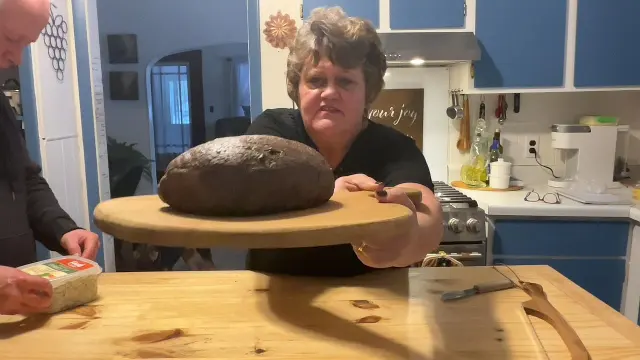 Beginner Pumpernickel Bread Baking Tutorial
Get new #Baking Basics ideas by email
Every Thursday: the week's best ideas, with the newest from #Baking Basics.
Related tags
Baking Basics: Essential Skills and Techniques
Baking basics are the foundation of making cakes, cookies, bread, pastries, and other baked foods with confidence. At its simplest, baking is the process of combining ingredients and using dry heat to transform them into something new. Unlike cooking on the stove, baking depends on more precise measurements and a better understanding of how ingredients work together.
What baking basics include
If you are new to baking, it helps to think of a recipe as a system. Flour gives structure, sugar adds sweetness and tenderness, fat can soften the texture, eggs help bind and enrich, and leavening agents such as baking powder, baking soda, or yeast help the mixture rise. Liquid brings the ingredients together, while salt balances flavor and supports overall taste.
The basic techniques you will use again and again include measuring, whisking, creaming, folding, kneading, and stirring. Each one affects the final texture. For example, overmixing can make some batters tough, while gentle folding helps keep air in lighter mixtures.
Read more
Common kinds of baking
Baking covers many different foods, and each has its own method.
- Quick breads and muffins rely on chemical leavening and simple mixing.
- Cakes often need careful mixing to create a light crumb.
- Cookies vary from crisp to soft depending on fat, sugar, and baking time.
- Yeast breads require time for fermentation and shaping.
- Pastries depend on keeping fats cool so the texture stays flaky.
Understanding which type of bake you are making helps you follow the recipe more closely and avoid common mistakes.
Good habits for beginners
A few habits make baking much easier.
- Read the recipe all the way through before starting.
- Measure ingredients carefully, especially flour and leavening.
- Use the right size pan or tray if the recipe specifies one.
- Preheat the oven before baking.
- Prepare your ingredients in advance so you are not rushing.
- Check doneness with visual cues, touch, or a skewer, depending on the recipe.
It also helps to know that ovens can vary. Even if you follow a recipe exactly, you may need to adjust slightly based on how your oven bakes. Learning how your oven behaves is part of becoming a more confident baker.
Useful equipment
You do not need a lot of special tools to begin. A mixing bowl, measuring cups or scales, a whisk, a spatula, baking pans, and a reliable oven are enough for many recipes. As you bake more often, you may add items like cooling racks, a sieve, or a pastry brush, but the essentials stay simple.
Tips for reliable results
Start with straightforward recipes and build your skills gradually. If something goes wrong, think about the texture, not just the taste: was it too dense, too dry, too pale, or too crumbly? Small changes in mixing, baking time, or ingredient amounts can make a noticeable difference.
Baking becomes easier with practice. Once you understand the role of each ingredient and learn a few core methods, you can approach almost any recipe with more confidence and fewer surprises.
Videos come from YouTube and posts from Instagram; titles and summaries are our own. All rights belong to their creators.