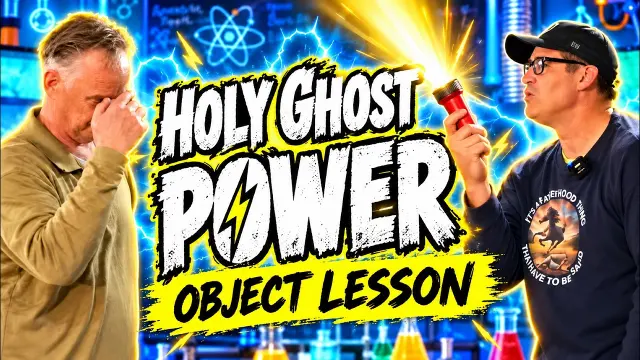
 Holy Ghost Power Flashlight Object Lesson
#Bible Lesson
4 ideas
Holy Ghost Power Flashlight Object Lesson
 The Christian Armor Sunday School Object Lesson
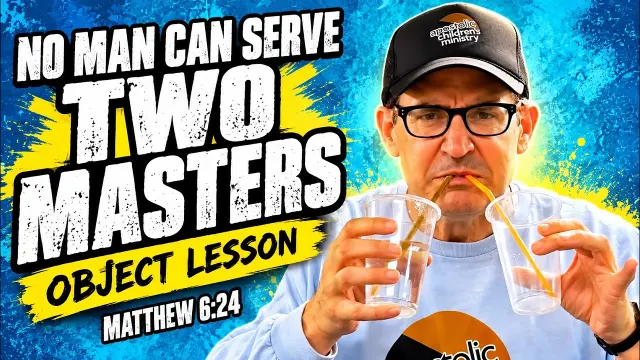 Serving Two Masters Straw Object Lesson
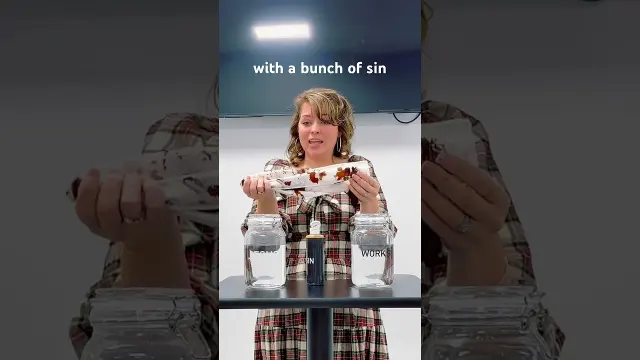 Jesus and Works Object Lesson for Kids
Get new #Bible Lesson ideas by email
Every Thursday: the week's best ideas, with the newest from #Bible Lesson.
Related tags
Bible Lessons: A Simple Guide to Teaching Scripture
A Bible lesson is a short, purposeful time of teaching built around a passage of Scripture. Its aim is not only to explain what a text says but to help people see what it means for their lives. Lessons take place in Sunday schools, small groups, youth meetings, family devotions and one-to-one mentoring, and they range from a five-minute talk with a child to an hour-long study with adults.
What a lesson contains
Most lessons follow a simple shape. A leader opens with something that catches attention, reads and explains the passage, draws out one or two main points, and then invites a response. That response might be a question to discuss, a prayer, a memory verse, or a practical step to try during the week. Keeping the focus narrow helps: a lesson that tries to cover everything in a chapter usually leaves nothing behind. Better to press one truth home clearly.
Object lessons
Read more
An object lesson uses a familiar item to make an abstract idea concrete. A flashlight, a set of toy armour, two jars, a piece of string — the object becomes a picture of something spiritual, and children in particular remember the image long after they forget the explanation. The craft lies in restraint. Choose an object with one clear connection to your point, explain the link plainly, and do not stretch the comparison further than it will go. Then read the passage it illustrates, so the picture points back to Scripture rather than replacing it.
Teaching different ages
With young children, keep language short, use repetition, and let them handle or act out the story. With older children and teenagers, questions work better than statements: ask what a character might have felt, or what they would have done. Adults usually want context — who wrote this, to whom, and why — alongside time to talk it through. In mixed groups, a single clear idea supported by a story and one good question serves everyone.
Preparing well
Read the passage several times before you read anything about it, and write down what you notice. Ask yourself what the main point is in one sentence; if you cannot say it briefly, you have not found it yet. Keep your own notes short so you can look at the people you are teaching rather than at the page. Think ahead about the questions you will ask, and prepare a simpler version of each in case the first one lands awkwardly.
A word for beginners
You do not need to be a scholar to teach the Bible. You need to read carefully, prepare prayerfully, and be honest when you do not know something — "let us look at that together" is a perfectly good answer. Consistency matters more than polish. A short lesson given faithfully each week will shape people far more than an elaborate one given once.
#Bible Lesson: frequently asked questions
How do I start preparing a Bible lesson if I’m new to teaching?
Begin with the passage itself and read it several times before looking at notes or commentary. Write down the main idea in one simple sentence, then plan a short opening, one clear point, and a question or response that connects the text to everyday life.
What do I need for a Bible lesson besides the Scripture passage?
You mainly need a clear purpose, a few simple notes, and a way to help people respond. Depending on the group, that might include a question to discuss, a prayer, a memory verse, or a simple object that illustrates the point without replacing the Bible text.
Which kind of Bible lesson should I choose for children, teens, or adults?
For young children, keep the language simple and use repetition, movement, or hands-on elements. For teens, questions and discussion usually work best, while adults often appreciate more background and context; in mixed groups, one clear idea with a story and a good question can serve everyone well.
What are some good ideas for a Bible lesson using an object lesson?
Choose a familiar item that matches one spiritual truth clearly, such as a light, string, jars, or simple clothing imagery. The object should help people remember the lesson, but the passage should still be read and explained so the illustration supports Scripture rather than taking its place.
What are common mistakes to avoid when teaching a Bible lesson?
A common mistake is trying to cover too much at once, which can leave the main point unclear. It also helps to avoid forcing an object lesson beyond its meaning, overloading your notes, or asking questions that are too complicated for the group you are teaching.
Videos come from YouTube and posts from Instagram; titles and summaries are our own. All rights belong to their creators.