 Guide to Week 11 Scout Solutions in The Division 2
#Division
23 ideas
Guide to Week 11 Scout Solutions in The Division 2
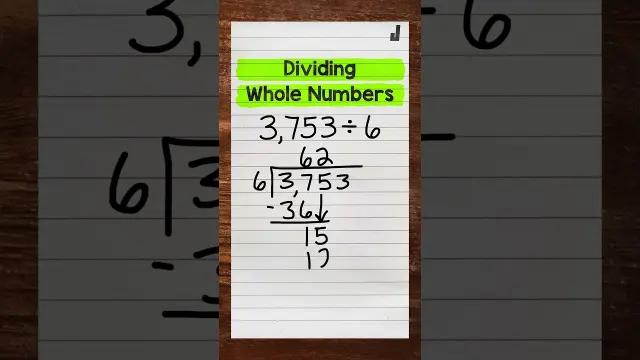 Educational Guide on Dividing Whole Numbers
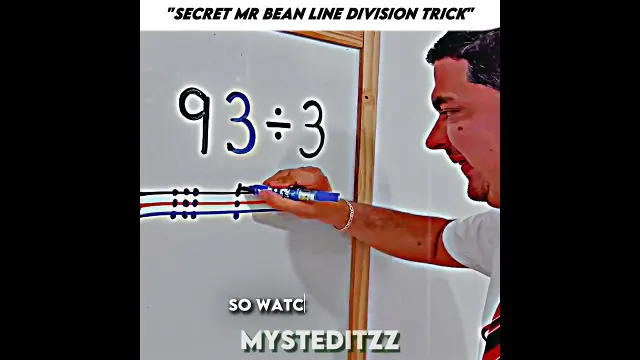 Visual Division Method Using Horizontal and Vertical Lines
 End of School Year Elementary Math Review for Kids
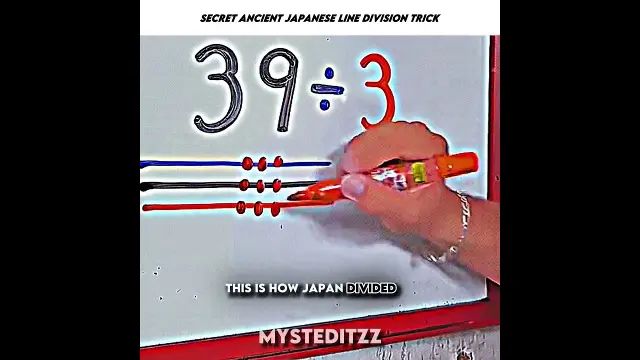 Ancient Japanese Visual Line Division Trick
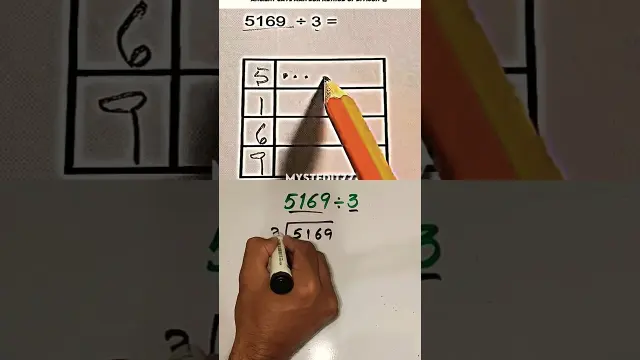 Visual Box Method for Fast Multi-Digit Division
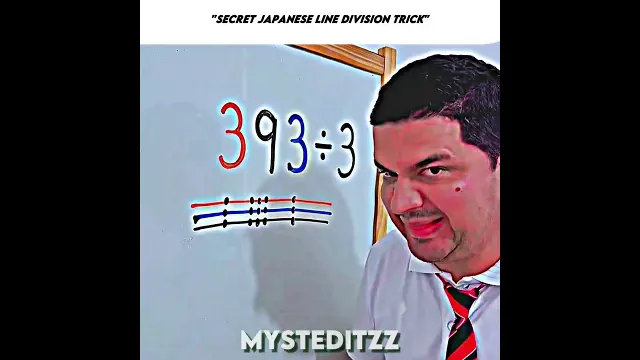 Three-Digit Division Using the Japanese Line Method
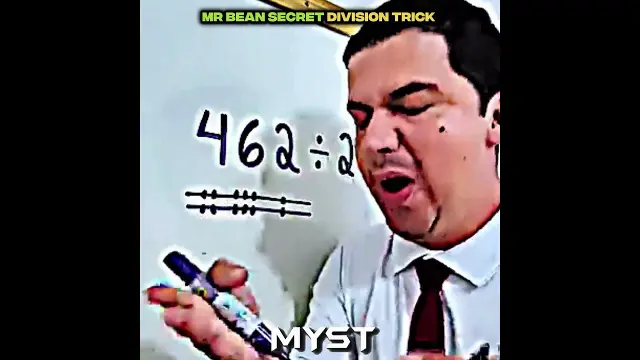 Fast Visual Division Hack for Large Numbers
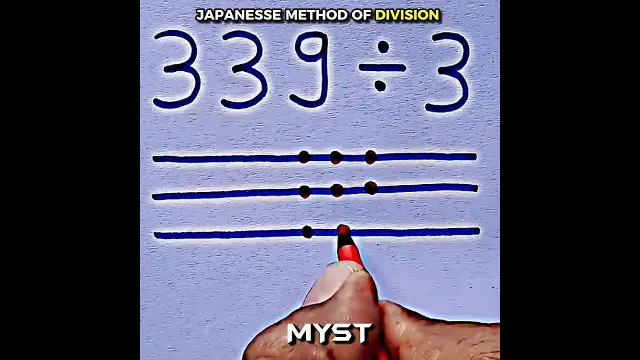 Visual Japanese Line Method for Fast Division
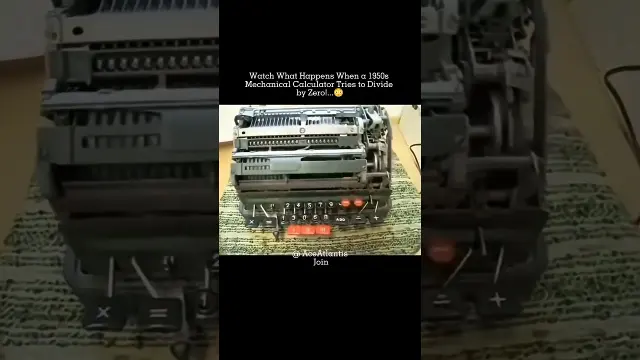 Vintage Mechanical Calculator Reacts to Division by Zero
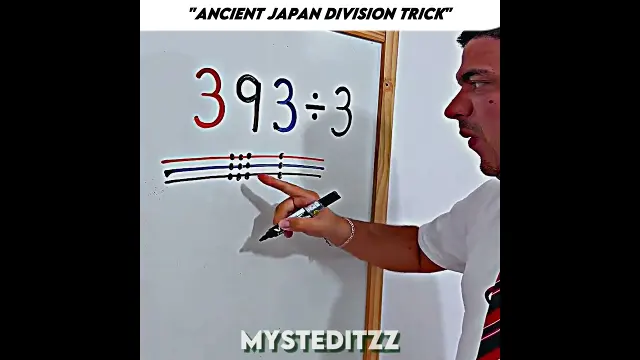 Visual Line Division Trick for Fast Calculation
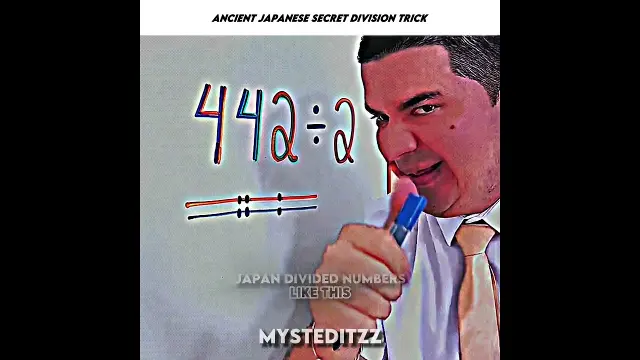 Visual Speed Hack for Division Calculations
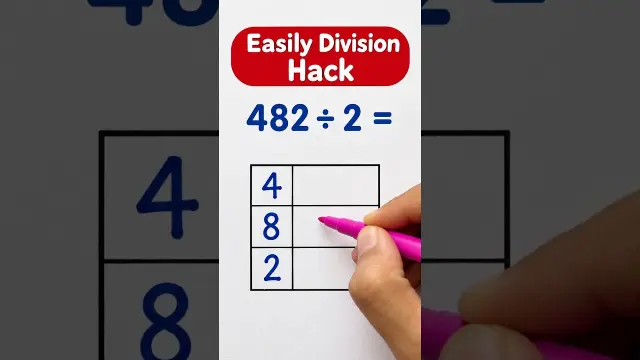 Easy Grouping Method for Division Calculations
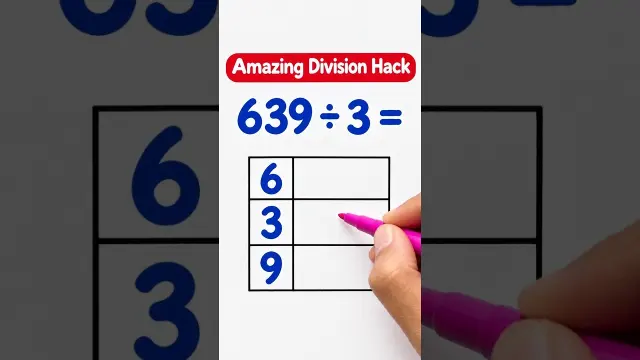 Fast Mental Math Shortcut for Division
 Easy Methods for Breaking Down Division Problems
 Numberblocks Learn Division Part 10 for Kids
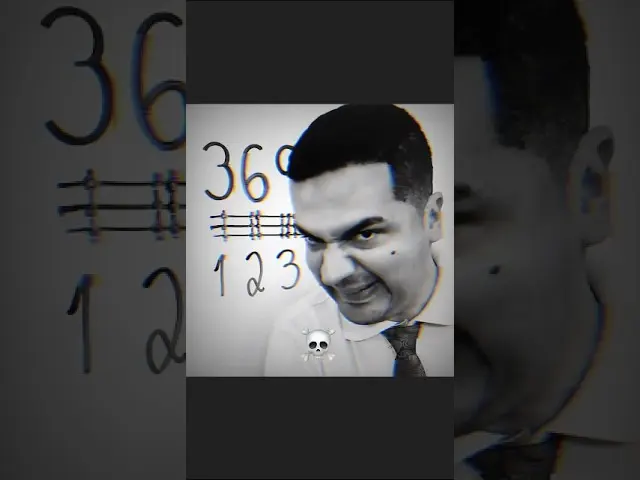 Visual Math Division Method Demonstration
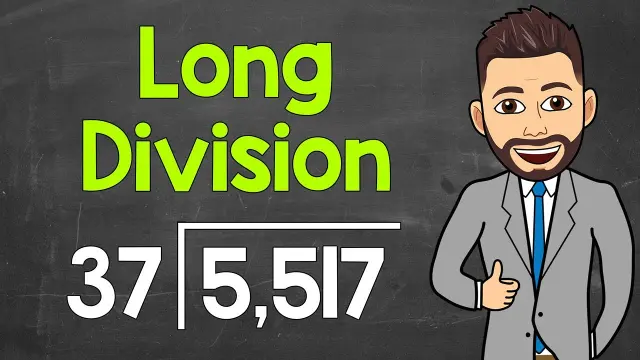 Step-by-Step Guide to Long Division with Examples
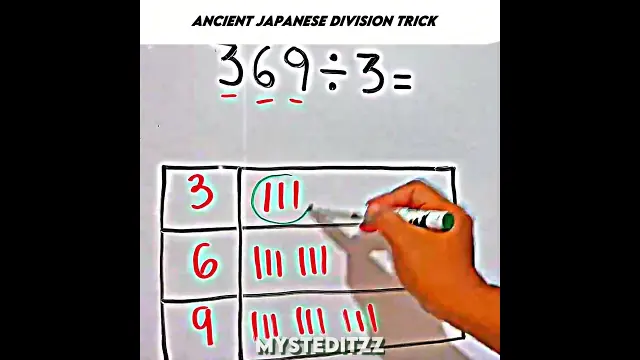 Visual Grid Method for Three-Digit Division
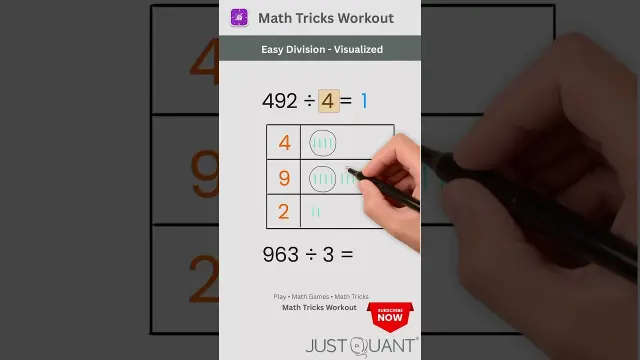 Visual Division Shortcuts for Faster Mental Calculations
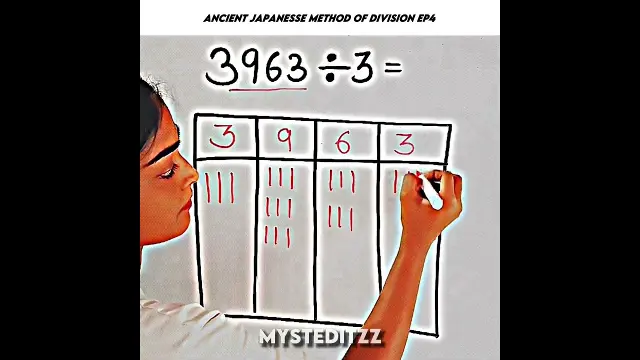 Grid Method for Multi-Digit Division
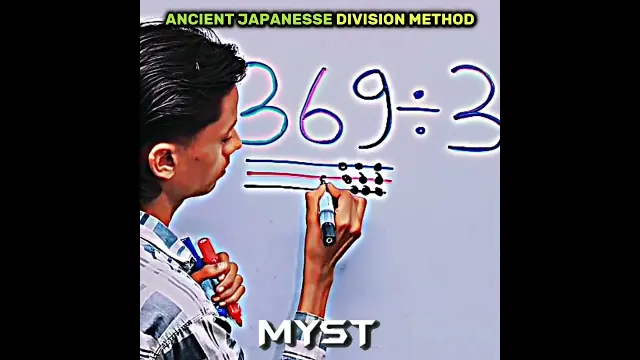 Visual Line Method for Quick Division
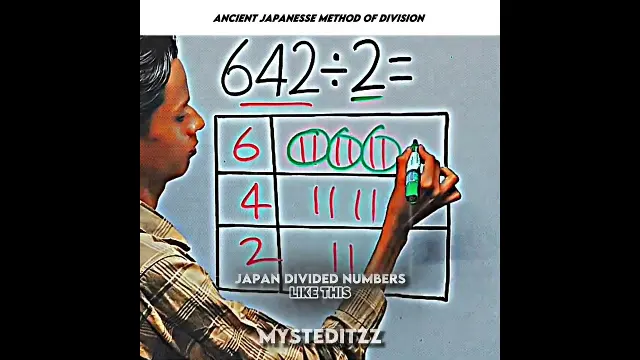 Comparing Traditional Long Division and Grid Methods
Get new #Division ideas by email
Every Thursday: the week's best ideas, with the newest from #Division.
Related tags
Understanding Division
Division is one of the four basic operations in arithmetic. It helps you split a number into equal parts, find out how many groups there are, or see how many times one number fits into another. If multiplication combines numbers, division separates them again. It is used every day in sharing, measuring, budgeting, cooking, and many other kinds of problem-solving.
What division means
At its simplest, division answers questions like: How many are in each group? How many groups can be made? If you have 12 apples and 3 people, division helps you work out that each person gets 4 apples. If you have 12 apples and want groups of 3, division tells you that you can make 4 groups.
Division is often written in several ways:
- 12 ÷ 3 = 4
- 12/3 = 4
- 3 ) 12
Read more
All of these mean the same thing. The form you use depends on the context, your level, or the style of working.
Common kinds of division
There are a few main situations you will meet.
- Exact division: the numbers split evenly, with nothing left over.
- Division with a remainder: the numbers do not split evenly, so there is something left.
- Decimal division: the answer is written as a decimal when a whole-number answer is not possible.
- Fraction division: division can also involve fractions, though the idea is still the same.
Understanding whether a problem should end in a whole number, a remainder, or a decimal is an important part of learning division.
Ways to work it out
Many people learn division by using multiplication facts. This is often the fastest way, because division and multiplication are opposite operations. If you know that 4 × 6 = 24, then you also know that 24 ÷ 6 = 4.
You can also use:
- repeated subtraction
- grouping with objects or drawings
- number lines
- long division
Long division is useful for larger numbers because it breaks the problem into smaller, manageable steps. It may look difficult at first, but it becomes much easier when you understand the pattern: divide, multiply, subtract, and bring down.
Practical tips for beginners
If division feels confusing, start with small numbers and use multiplication facts you already know. It also helps to picture the problem in a real-life way. Ask yourself whether you are sharing equally or making groups.
A few useful habits:
- Always check your answer with multiplication.
- Pay attention to remainders.
- Keep numbers lined up neatly when working by hand.
- If a problem seems hard, break it into smaller steps.
A skill that grows with practice
Division is not just a school topic; it is a way of thinking about fairness, grouping, and structure. The more you practice, the more natural it becomes. Once you understand the idea behind it, you can use division confidently in many different situations.
Videos come from YouTube and posts from Instagram; titles and summaries are our own. All rights belong to their creators.