 SAP Extract Transform and Load Full Course
#ETL
13 ideas
SAP Extract Transform and Load Full Course
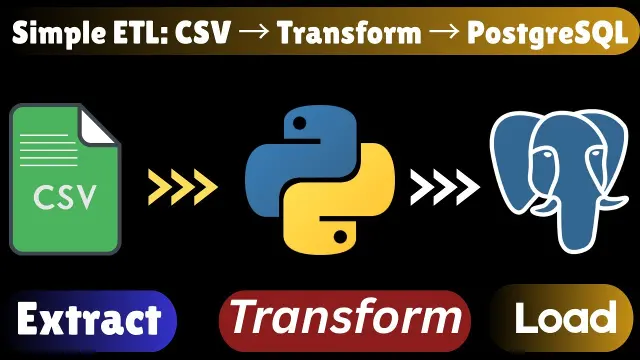 How to Build a Simple ETL Pipeline to PostgreSQL
 Exploring the Best ETL and ELT Tools
 What is ETL Explained in Sixty Seconds
 Building ETL Pipelines in Databricks
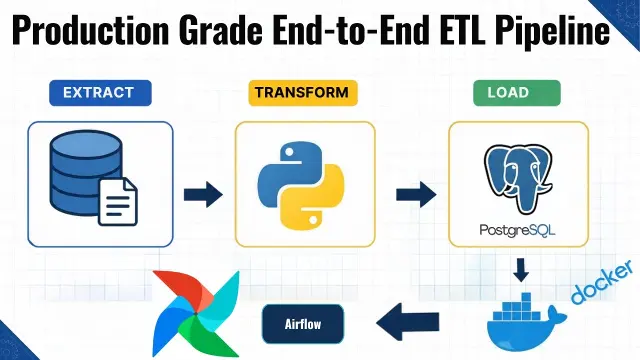 Build End-to-End ETL Pipeline with Python and PostgreSQL
 ETL vs ELT When to Choose Which Approach
 Learn ETL Pipelines in Databricks
 How to Build ETL Pipelines in Azure Databricks
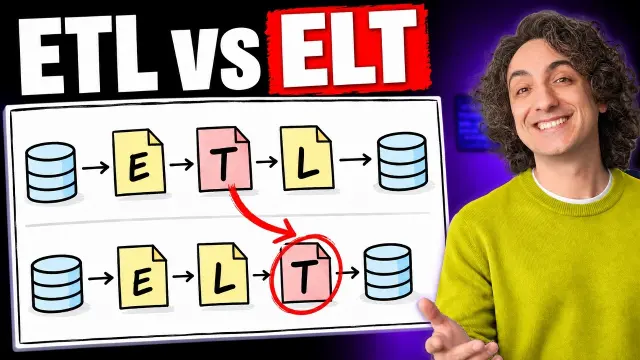 Understanding ETL and ELT in Real Data Projects
 Power Query ETL From Scratch Data Cleaning Pipeline
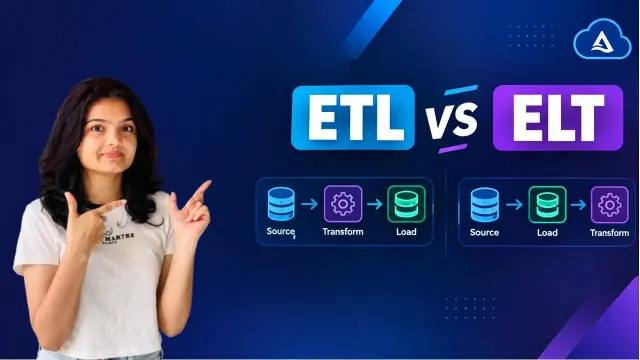 ETL vs ELT Explained with Databricks Examples
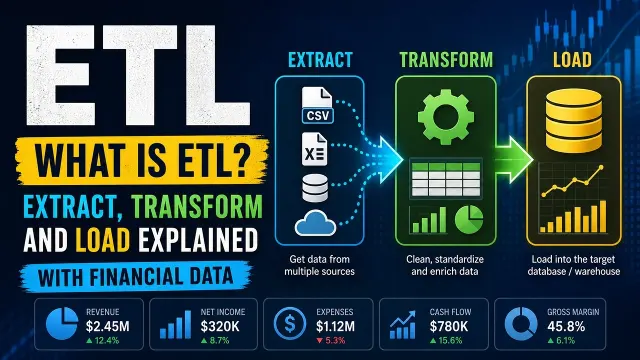 Understanding ETL Pipelines for Accurate Financial Data
Get new #ETL ideas by email
Every Thursday: the week's best ideas, with the newest from #ETL.
Related tags
ETL Explained: Extract, Transform, Load
What ETL means
ETL stands for Extract, Transform, Load. It is a common way of moving data from one or more source systems into a place where it can be stored, analysed, or used for reporting. You may see ETL in business systems, data warehouses, and many kinds of digital workflows.
In simple terms, ETL helps turn raw data into useful data. First, information is collected from sources such as databases, files, apps, or online services. Then it is cleaned, reformatted, combined, or checked. Finally, it is loaded into a target system that can use it more effectively.
Why ETL is used
Read more
Data from different sources is often messy, incomplete, or inconsistent. One system may use different date formats, another may spell categories differently, and a third may contain duplicate records. ETL creates a structured process for handling these differences before the data is used.
This matters when you need accurate reports, consistent records, or a single view of information across several systems. ETL is especially useful when data needs to be prepared before analysis, rather than handled each time it is accessed.
The three stages
- Extract: Data is taken from its original source. This may happen from databases, spreadsheets, flat files, APIs, or other applications. The goal is to collect the needed information without changing it too early.
- Transform: The data is cleaned and reshaped. Common tasks include removing duplicates, fixing formatting, standardising values, combining records, filtering unwanted rows, and mapping fields from one structure to another.
- Load: The prepared data is written into the destination system. This might be a database, a reporting tool, a data warehouse, or another storage system.
Common ETL styles
ETL can happen in different ways depending on the need. Some processes run in batches, collecting data at set times. Others run more frequently and move smaller amounts of data as changes happen. Some systems handle a full refresh each time, while others only move new or changed records.
The right approach depends on how much data you have, how quickly it must be available, and how complex the transformation step is. For many people, the important idea is not the exact method but the reliability of the flow from source to destination.
What beginners should know
If you are new to ETL, start by understanding the source data before trying to automate anything. Check which fields are needed, what each field means, and where errors or inconsistencies may appear. Good ETL work depends on clear rules.
It also helps to think carefully about data quality. A pipeline that moves bad data quickly is still a bad pipeline. Build in validation where possible, and keep an eye on missing values, duplicates, and unexpected changes in format.
Practical tips
- Keep transformations as clear and repeatable as possible.
- Document where the data comes from and how it changes.
- Test with small sample data before processing large sets.
- Plan for missing, duplicate, or late-arriving records.
- Review results regularly so errors are caught early.
ETL is less about a single tool and more about a disciplined way of preparing data. When it is designed well, it makes information easier to trust, easier to use, and much easier to work with.
#ETL: frequently asked questions
How do I get started with ETL if I've never built a pipeline before?
Begin with the data itself rather than a tool: look at a single source, note which fields you actually need, and work out what each one means and where it tends to go wrong. Once you understand the source, run the three stages by hand on a small sample — pull the records, clean and reshape them, then write them somewhere new — so you can see the whole flow before automating anything. Choosing software comes last, because the discipline of clear, repeatable rules matters far more than the platform.
What do I need to have in place before building an ETL process?
You need reliable access to your source systems, an understanding of the destination's structure, and an agreed definition of what the fields should look like once cleaned. It also helps to know how often the data must be refreshed and who will rely on the output, since those answers shape how the flow is designed. Clear rules written down in advance prevent most of the confusion that appears later.
Should I choose batch ETL or a more continuous approach?
Batch processing collects data at set intervals and suits reporting that does not need to be current minute by minute, while continuous or incremental flows move only new and changed records and suit cases where freshness matters. The deciding factors are how much data you have, how quickly it must be available, and how heavy the transformation step is. Either way, the flow needs to be dependable from source to destination, which is what people ultimately depend on.
What are the most common mistakes beginners make with ETL?
The usual problems are skipping the exploration of source data, hard-coding assumptions about formats, and forgetting that records can arrive late, duplicated, or incomplete. Another frequent slip is testing only against a large production set instead of a small sample where errors are easy to spot. Many also neglect documentation, so nobody can later trace where a value came from or why it changed.
How do I keep an ETL pipeline trustworthy once it's running?
Build validation into the flow itself and review the results regularly, watching for missing values, duplicates, and sudden shifts in format that signal something upstream has changed. Documenting the source of each field and every transformation makes problems far quicker to trace when they appear. A pipeline that moves bad data quickly is still a bad pipeline, so quality checks belong in the design rather than being added afterwards.
Does ETL only matter for large companies with data warehouses?
No — the same thinking applies whenever information from several places needs to be combined, cleaned, and kept consistent, whether that is a spreadsheet, a reporting tool, or a small database. The concepts of extracting, transforming, and loading are identical at any scale; only the volume and the tools change. Anyone preparing data for analysis benefits from doing it in a structured, repeatable way.
Videos come from YouTube and posts from Instagram; titles and summaries are our own. All rights belong to their creators.