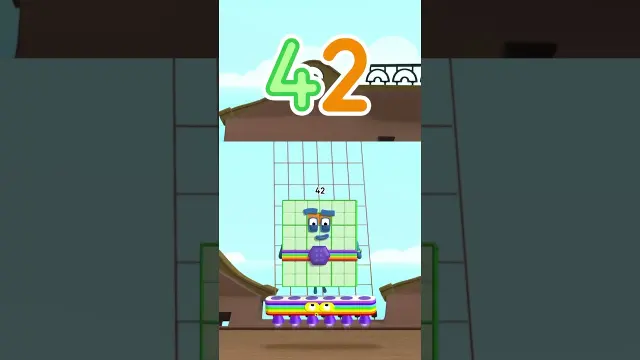
 Learning the Seven Times Tables with Numberblocks Animation
#Grade 1 Math
19 ideas
Learning the Seven Times Tables with Numberblocks Animation
 Summative Test Reviewer for Grade 1 Math Term 2
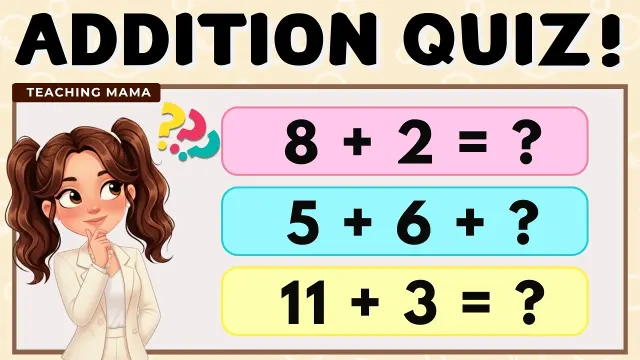 Fun Basic Addition Math Quiz Activity for Young Children
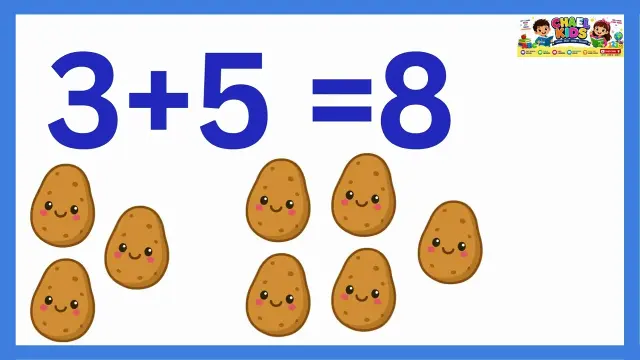 Addition Math Lesson and Quiz for Grade 1 Students
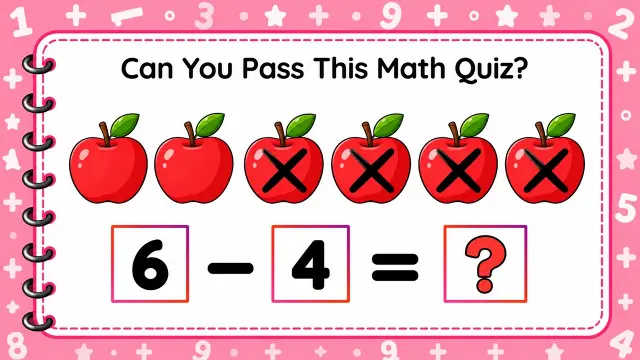 Fun Subtraction Quiz and Picture Math Game for Kids
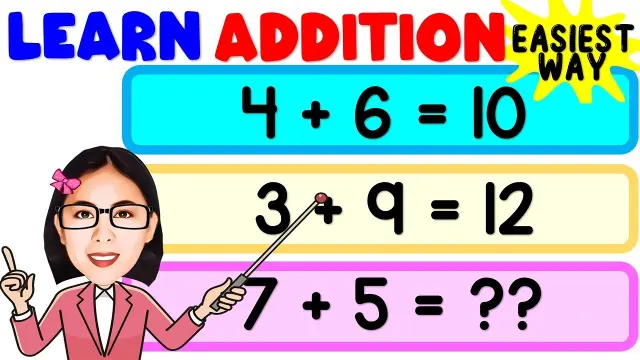 Easiest Way to Learn Addition Math Quiz for Kids
 Practice iReady Math for First Grade with Fun Activities
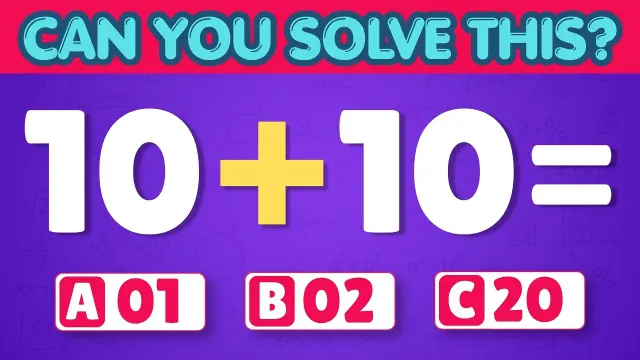 Ultimate Addition Quiz Challenge for First Grade
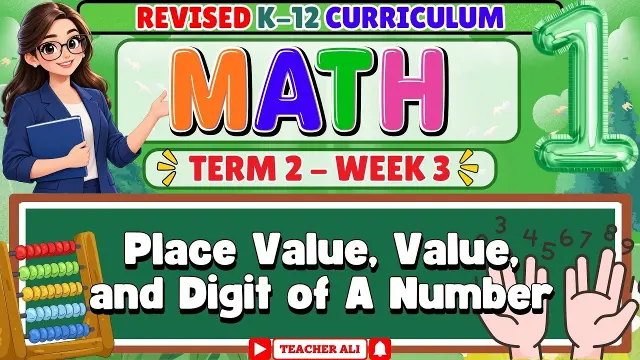 Understanding Place Value, Value, and Digit of a Number
 First Grade Math Homework Help and Counting Compilation
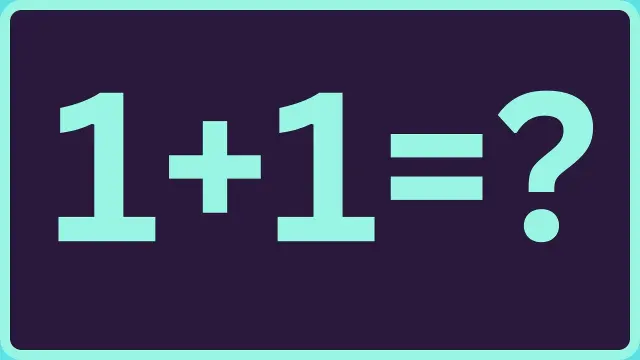 Simple Addition Practice and Quiz for Kindergarten Kids
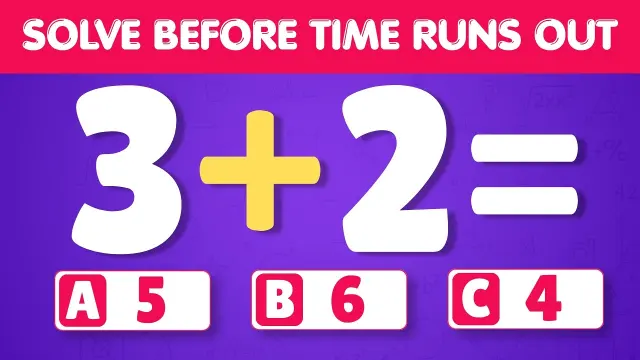 Addition Quiz for Kindergarten and Grade 1
 Adding Numbers with Sums Up to 100 Without Regrouping
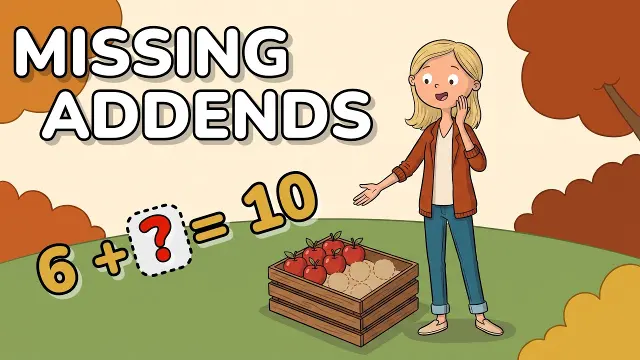 Finding Missing Addends in First Grade Math Practice
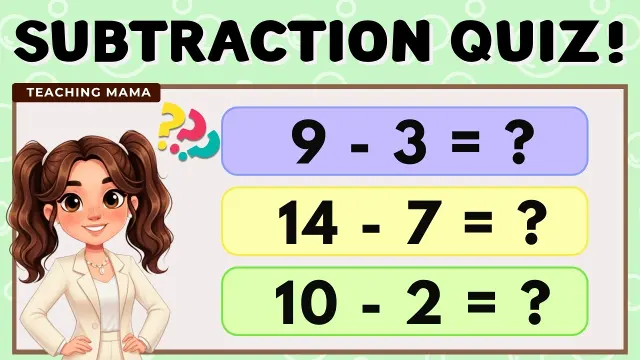 Basic Subtraction Math Quiz Activity for Young Learners
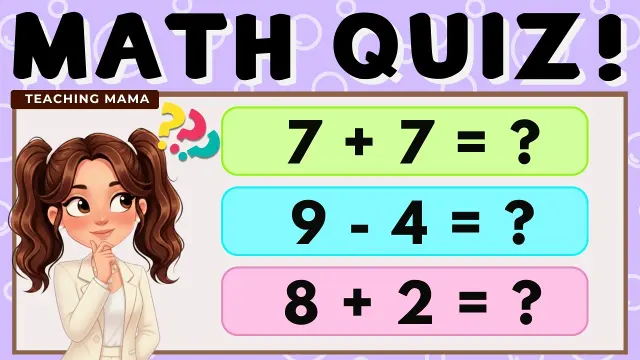 Interactive Math Quiz for Kids Addition and Subtraction
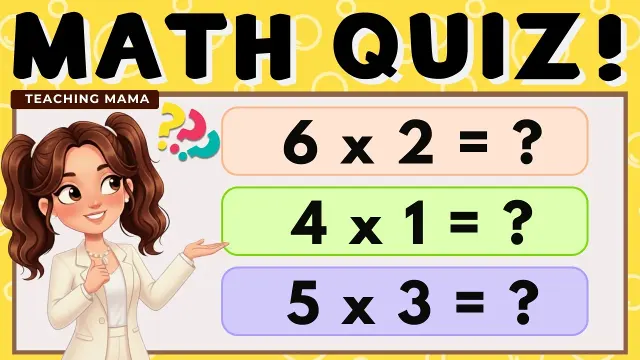 Basic Multiplication Math Quiz for Kids
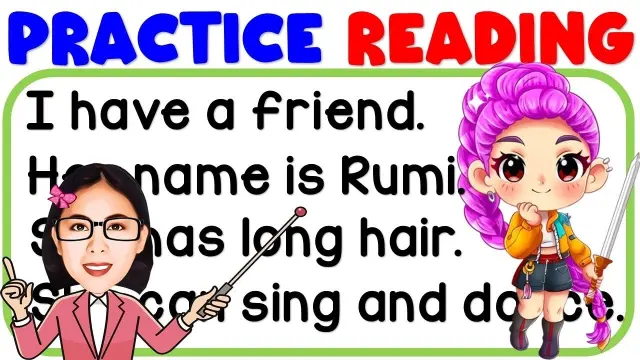 English Reading Lesson and Tutorial for Kindergarten and Grade 1
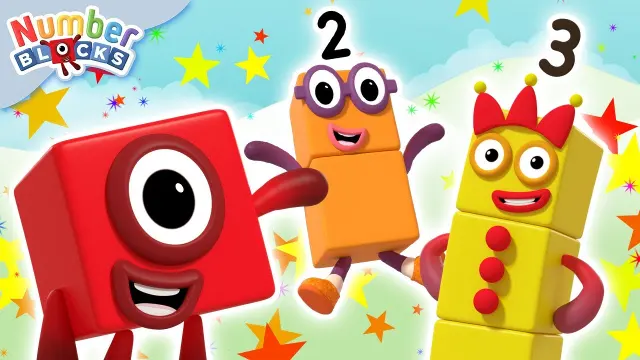 Fabulous First Grade Math and Counting with Numberblocks
Get new #Grade 1 Math ideas by email
Every Thursday: the week's best ideas, with the newest from #Grade 1 Math.
Related tags
Grade 1 Math Basics for Young Learners
Grade 1 math is where children begin turning everyday counting into real number understanding. In this stage, the focus is on building confidence with numbers, noticing patterns, and learning how math connects to daily life. Children usually move from counting objects one by one to working with numbers more independently, using simple drawings, counters, fingers, or number lines to help them think.
What Grade 1 math covers
At this level, children often learn:
- Counting forward and backward
- Reading, writing, and comparing numbers
- Simple addition and subtraction
- Making groups and sorting objects
- Recognizing basic shapes
- Telling time in simple ways
- Understanding length, weight, and other basic measurement ideas
- Using patterns and simple problem-solving
The main goal is not speed. It is understanding. A child who can explain how they got an answer is building a stronger foundation than one who only guesses quickly.
Read more
Number sense and counting
Number sense means knowing what numbers represent. A child begins to understand that a number can stand for a set of objects, not just a word to recite. This is why counting real things matters so much. Apples, blocks, buttons, toys, or steps all help make numbers concrete.
Good early practice includes:
- Counting objects out loud
- Matching one number to one object
- Comparing groups using words like more, less, and equal
- Recognizing numbers in different places, such as signs, labels, and calendars
Addition and subtraction
In Grade 1, addition and subtraction are usually learned with small numbers and simple situations. Children often work with pictures, counters, or fingers before moving to written equations. They may learn that addition means joining groups and subtraction means taking away or finding what is left.
Helpful ways to support this include:
- Using everyday objects to make math visible
- Asking short story problems, such as “If you have three grapes and get two more, how many now?”
- Encouraging children to explain their thinking in words
- Practicing with many small examples rather than long drills
Shapes, patterns, and measurement
Math is not only about numbers. Children also learn to notice shapes, repeat patterns, and compare objects. They may identify circles, squares, triangles, rectangles, and other simple forms. They may sort items by color, size, or shape, and they may compare which object is longer, shorter, heavier, or lighter.
These ideas help children observe carefully and use mathematical language in a natural way.
Helpful habits for beginners
If you are supporting a Grade 1 learner, keep practice short, playful, and calm. Young children often learn best through movement, drawing, games, and everyday routines. Try to:
- Use clear, simple language
- Connect math to real life
- Let mistakes be part of learning
- Return to the same ideas often in small steps
- Praise effort and reasoning, not just right answers
A strong start in Grade 1 math comes from curiosity, repetition, and patience. When children feel safe exploring numbers, they are more likely to develop confidence that lasts.
Videos come from YouTube and posts from Instagram; titles and summaries are our own. All rights belong to their creators.