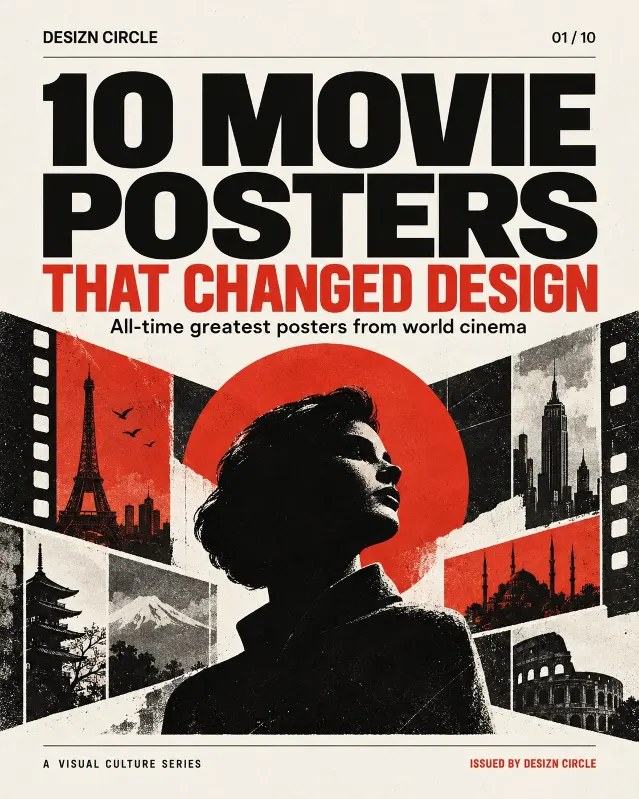
 Ten Iconic Movie Posters That Shaped Visual Storytelling
#Graphic Design
27 ideas
Ten Iconic Movie Posters That Shaped Visual Storytelling
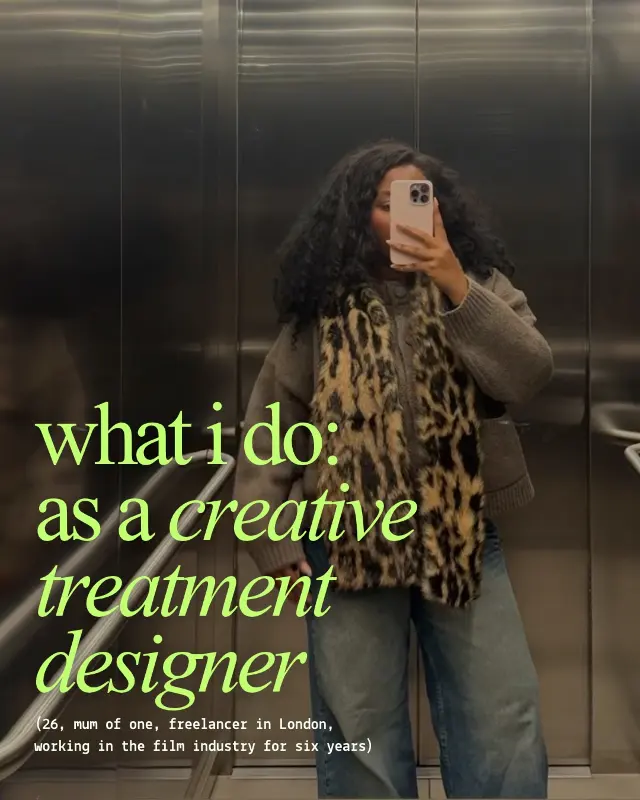 Creative Direction and Pitch Deck Design Process
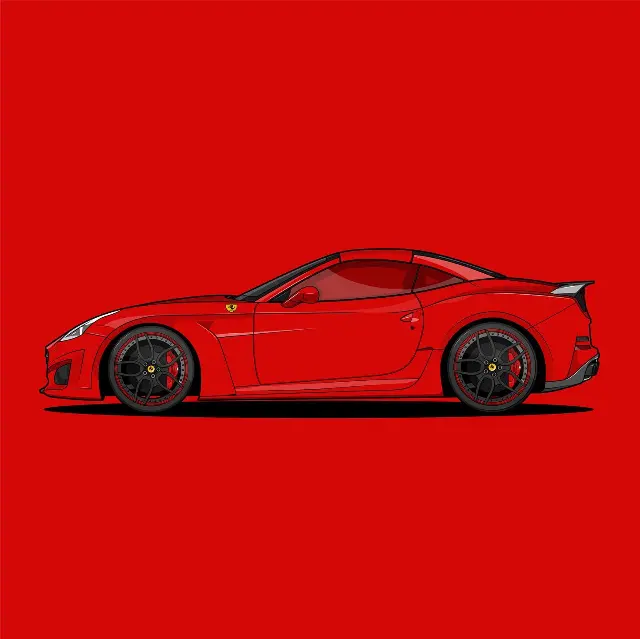 Digital Vector Illustration of a Vehicle
 Custom South Park and Lando Formula 1 Helmet Design
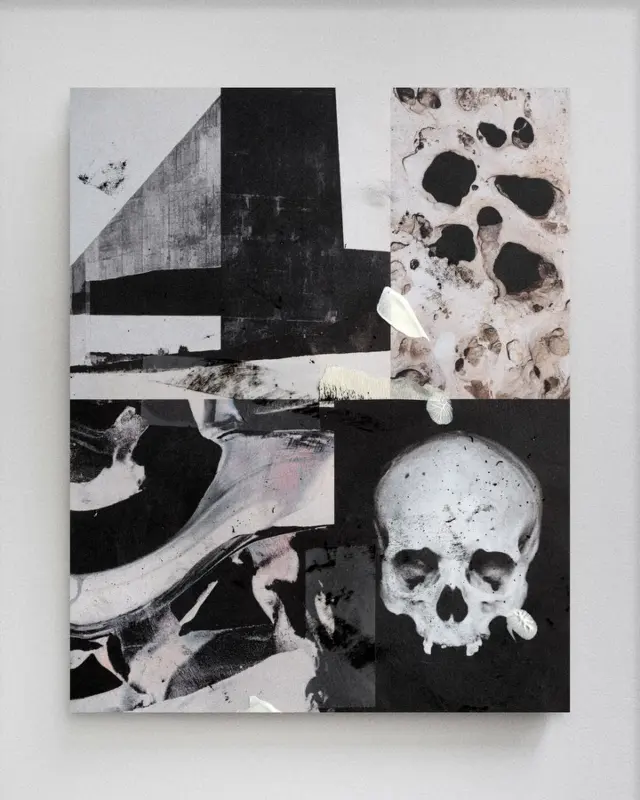 Abstract Cut and Paste Xerox Art Composition
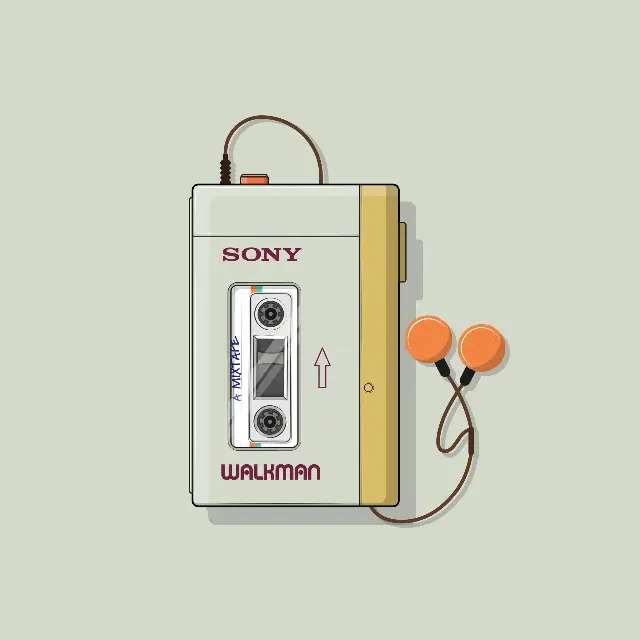 Sci-Fi Short Stories Flat Vector Illustrations
 Fish and Grapes Die-Cut Sticker Vector Art
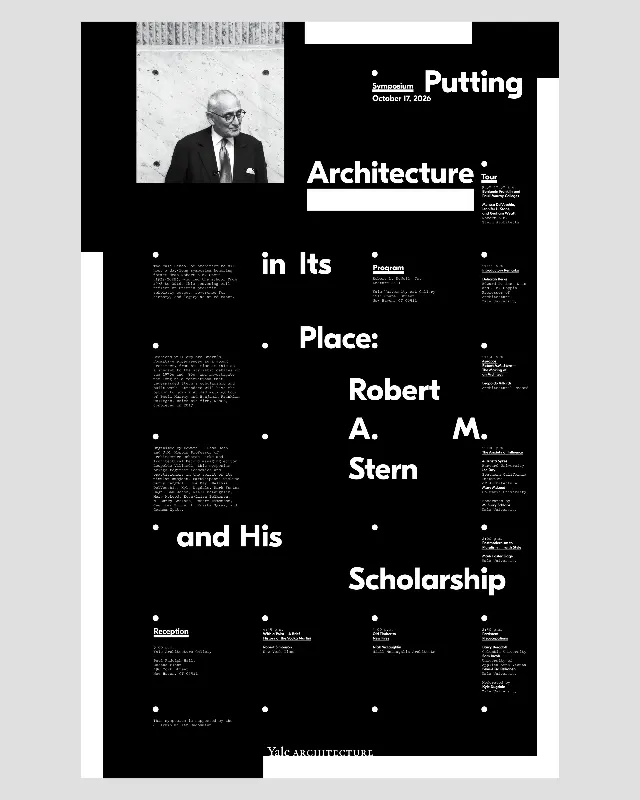 Revisiting Yale Architecture's Iconic Poster Identity
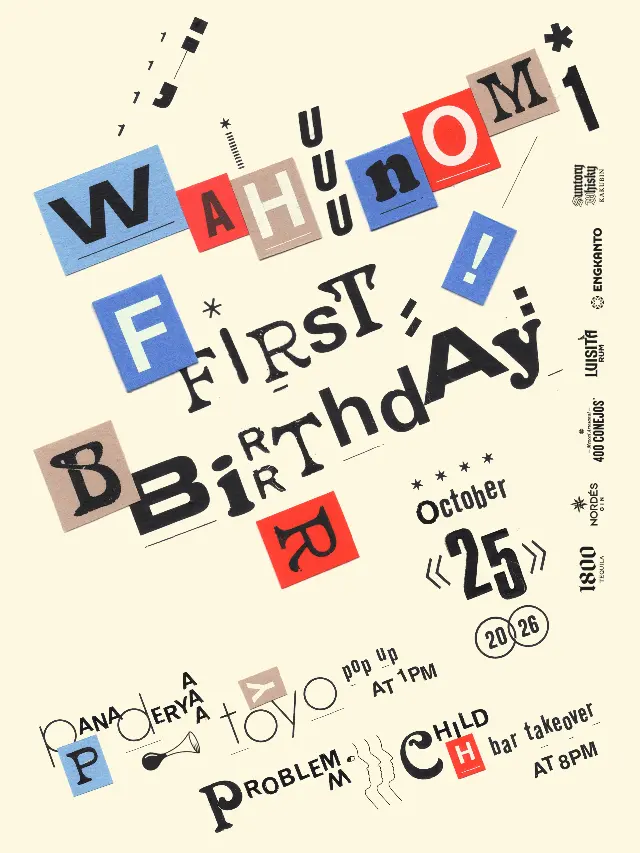 Analog Birthday Poster Created Using Transfer Type
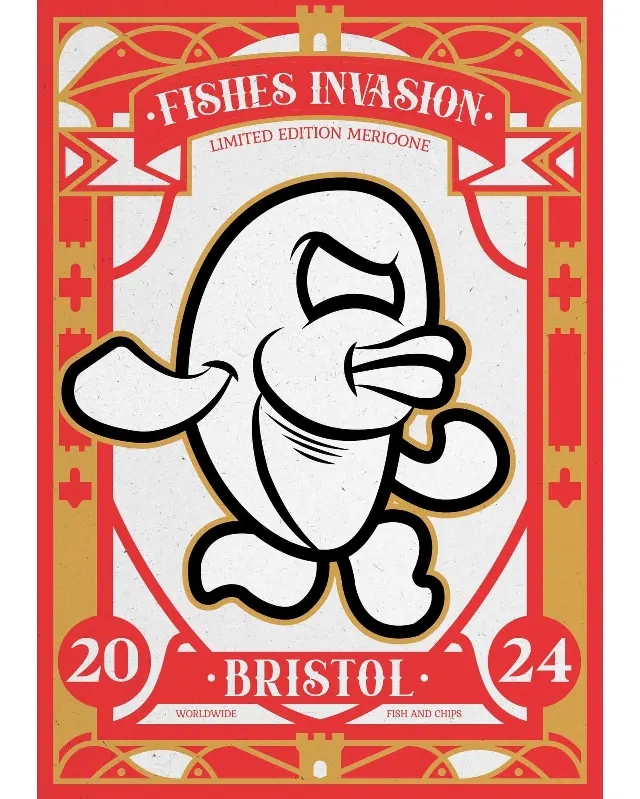 Bristol Street Art Poster Vector Design
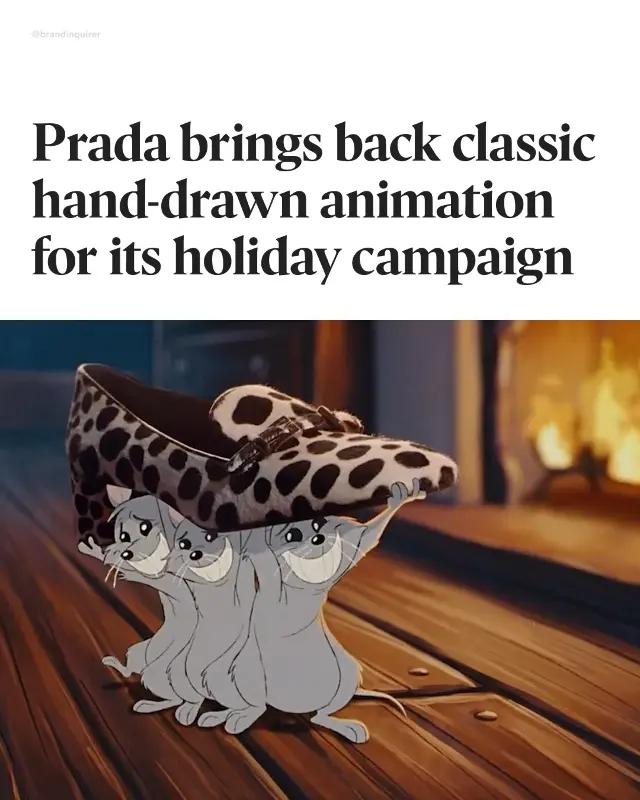 Prada Brings Hand-Drawn Animation Back for Holiday Campaign
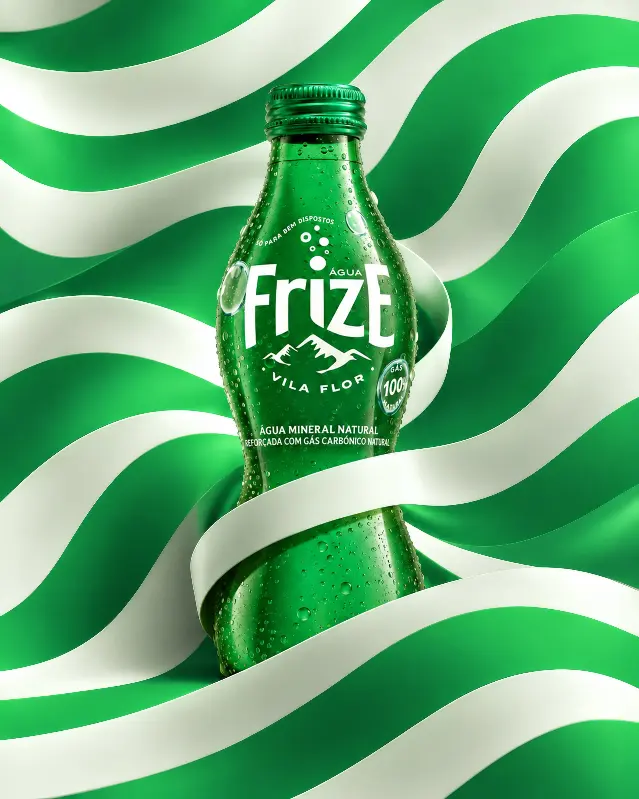 New Brand Identity and Packaging Design for Frize
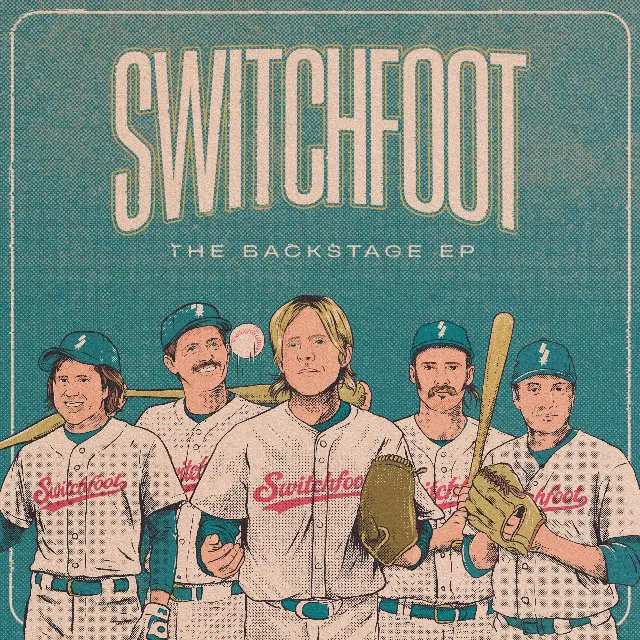 Fan-made Artwork Concept for The Backstage EP by Switchfoot
Get new #Graphic Design ideas by email
Every Thursday: the week's best ideas, with the newest from #Graphic Design.
Related tags
Graphic Design Basics and Creative Principles
Graphic design is the art of communicating ideas through images, typography, color, shape, and layout. It appears in logos, posters, magazines, packaging, websites, social media graphics, and many other forms of visual communication. At its core, graphic design helps information look clear, appealing, and meaningful.
What graphic design is
Graphic design brings together creativity and structure. A designer chooses visual elements and arranges them so they support a message, guide the eye, and create a certain mood. Good design is not only about decoration; it is about making content easier to understand and more memorable.
The field grew from print and advertising, where designers worked with books, newspapers, posters, and product packaging. Over time, it expanded into digital spaces such as websites, apps, and motion graphics. Even though the tools have changed, the main goal is still the same: to communicate visually with purpose.
Read more
Common kinds of graphic design
There are many branches of graphic design, and each one serves a different need.
- Branding and identity design creates logos, color systems, and visual rules for a company or project.
- Editorial design focuses on books, magazines, brochures, and other long-form layouts.
- Advertising design uses visuals to support campaigns and promotions.
- Packaging design combines function and appearance to present a product.
- Digital and web design shapes the look of websites, interfaces, and online content.
- Illustration-based design uses custom drawings or artwork to add personality and emphasis.
Many designers work across several of these areas, especially when starting out.
Main principles and techniques
Strong graphic design usually depends on a few basic principles:
- Balance: arranging elements so the composition feels stable.
- Contrast: using differences in size, weight, color, or shape to create emphasis.
- Hierarchy: showing what is most important first.
- Alignment: placing elements in a deliberate relationship.
- Repetition: using consistent visual patterns to create unity.
- White space: leaving room around elements so the design can breathe.
Typography, color, and composition are central tools. Type should be readable and suited to the tone of the message. Color can create mood and highlight important information. Layout helps organize everything so the viewer can follow the design naturally.
What beginners should know
If you are new to graphic design, start with simple projects and focus on clarity before decoration. Study how strong layouts use spacing, scale, and consistency. Look closely at posters, packaging, and websites to notice how designers guide attention.
A few practical habits can help:
- Start with a clear message before choosing visuals.
- Use fewer fonts and colors at first.
- Leave enough space between elements.
- Check that text is easy to read.
- Keep your design consistent from one part to another.
- Redo your work with fresh eyes and simplify when needed.
Graphic design improves with practice, observation, and patience. The more you study real examples and experiment with your own ideas, the more confident you will become in shaping visuals that are both attractive and effective.
Videos come from YouTube and posts from Instagram; titles and summaries are our own. All rights belong to their creators.