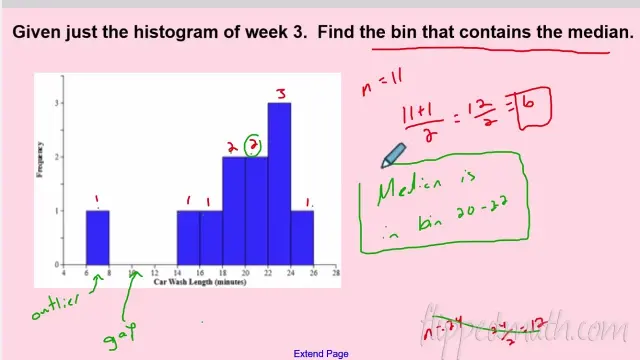
 AP Statistics Summary Statistics for One Quantitative Variable
#Math Practice
10 ideas
AP Statistics Summary Statistics for One Quantitative Variable
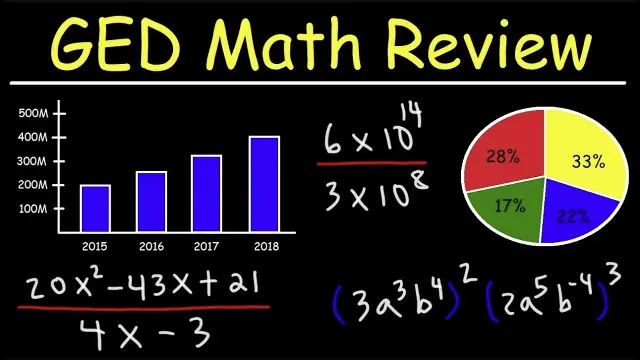 Comprehensive GED Math Practice Test and Study Guide Review
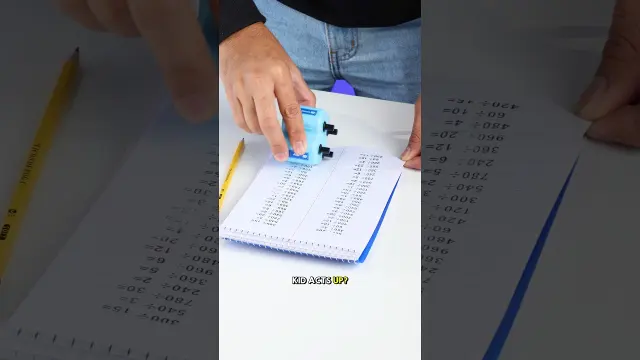 Math Roller Stamp Tool for Quick Arithmetic Practice
 Kids Math Challenge: Timed Addition Practice Problems
 ATI TEAS Version Seven Full Mathematics Practice Test
 Quick Mental Trick for Multiplying Any Two-Digit Number by Eleven
 The Story Behind the Navier-Stokes Math Problem
 GED Math Test Practice: 20 Important Questions and Review
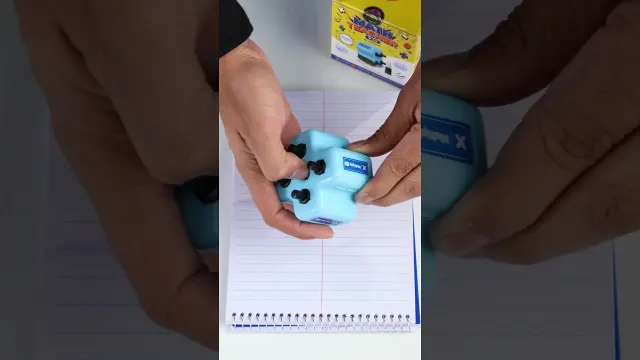 Fast Math Practice Using a Rollable Stamp Tool
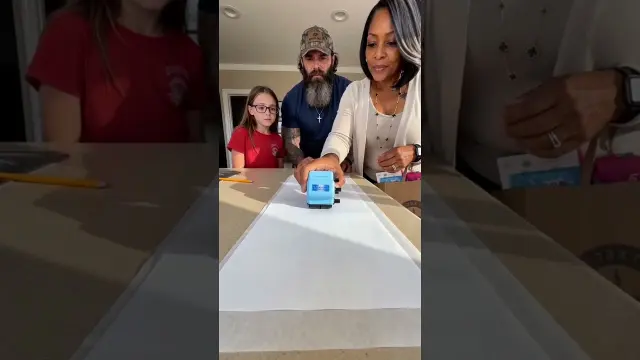 Interactive Arithmetic Practice Tool for Fun Maths Learning
Get new #Math Practice ideas by email
Every Thursday: the week's best ideas, with the newest from #Math Practice.
Related tags
Math Practice Guide
What math practice means
Math practice is the regular act of working with numbers, shapes, patterns, and problems so that your understanding becomes stronger and more reliable. It is used at every level of learning, from basic arithmetic to algebra, geometry, statistics, and everyday calculations. Good practice is not only about getting the right answer; it is also about learning how to think through a problem, notice patterns, and choose the right method.
Why practice matters
Math builds step by step. If one idea is unclear, later topics can feel harder than they should. Regular practice helps you remember key facts, use formulas correctly, and become quicker without rushing. It also makes you more confident, because familiar problem types start to feel manageable. Over time, practice helps you move from simply recognising a method to understanding when and why to use it.
Read more
Common kinds of math practice
There are many ways to practise math, depending on what you want to improve.
- Mental arithmetic for quick addition, subtraction, multiplication, and division
- Written exercises for showing each step clearly
- Word problems for turning real situations into equations or calculations
- Mixed review for revisiting older topics alongside new ones
- Timed practice for building pace and reducing hesitation
- Error review for finding and correcting repeated mistakes
Each type serves a different purpose. Mental work strengthens recall. Written work helps you organise your thinking. Word problems improve interpretation. Mixed review keeps knowledge fresh.
How to practise well
The best practice is active, not passive. Instead of only reading examples, try solving problems yourself first. If you get stuck, pause and ask what the question is really asking, what information is given, and which rule or operation might fit.
A few helpful habits make a big difference:
- Start with easier problems to warm up
- Work in short, focused sessions
- Write out steps clearly, especially for new topics
- Check your answers carefully
- Review mistakes and try similar questions again
- Return to older material regularly
It also helps to explain a solution in your own words. If you can describe the method simply, you probably understand it well enough to use it again.
What beginners should know
If you are just starting out or returning to math after a break, begin with the foundations. Make sure you are comfortable with number sense, fractions, decimals, percentages, and basic operations before moving on to more advanced topics. Many difficulties come from small gaps that were never fully settled.
Do not worry if progress feels slow at first. Math skills usually improve through repetition and steady review, not by cramming. Focus on accuracy before speed. Once a method feels natural, speed will come more easily.
Practical tips
- Keep a notebook for formulas, patterns, and common mistakes
- Use variety: some days focus on one skill, other days mix several
- Practice with and without a calculator, depending on the goal
- Revisit problems you once found hard
- Take breaks if you feel overwhelmed, then come back with a fresh mind
With regular practice, math becomes less about guessing and more about recognising patterns, applying rules, and solving problems step by step.
Videos come from YouTube and posts from Instagram; titles and summaries are our own. All rights belong to their creators.