 Fun Basic Addition Math Quiz Activity for Young Children
#Math Quiz
20 ideas
Fun Basic Addition Math Quiz Activity for Young Children
 Slime Math Quiz for Kindergarten Addition Practice
 Numberblocks Math Quiz on Multiplication and BODMAS
 Easy to Hard Math Quiz with Addition and Subtraction
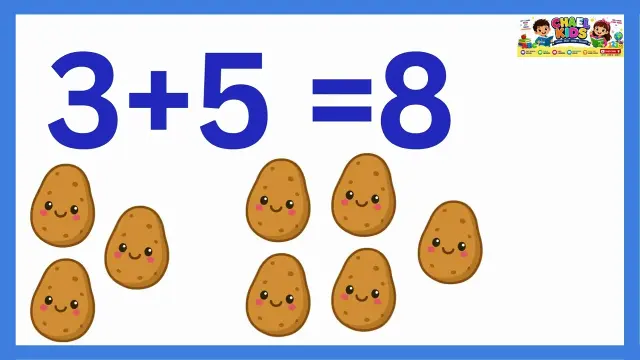 Addition Math Lesson and Quiz for Grade 1 Students
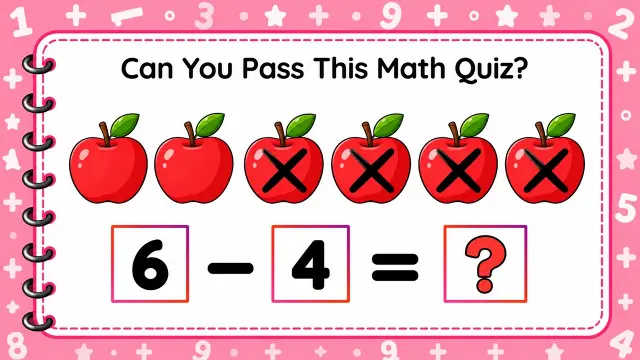 Fun Subtraction Quiz and Picture Math Game for Kids
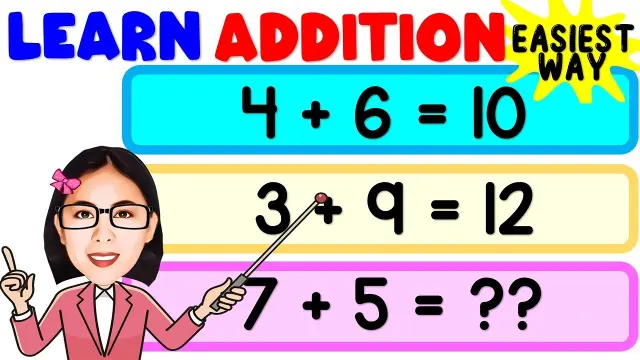 Easiest Way to Learn Addition Math Quiz for Kids
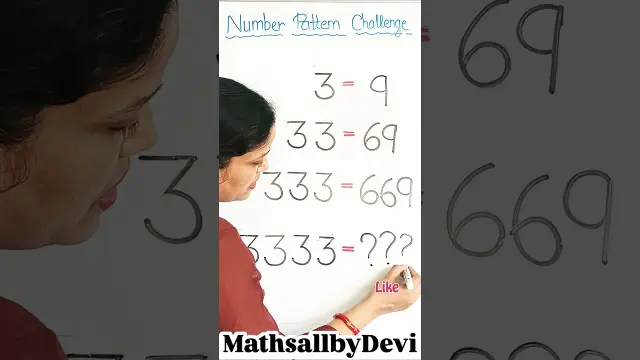 Challenging Number Series And Sequence Puzzle
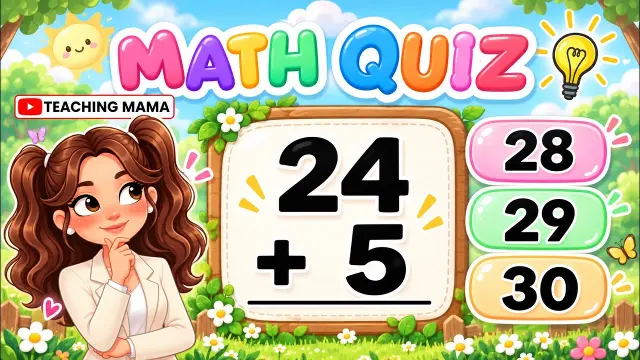 Fun Basic Addition Math Quiz Activity for Young Children
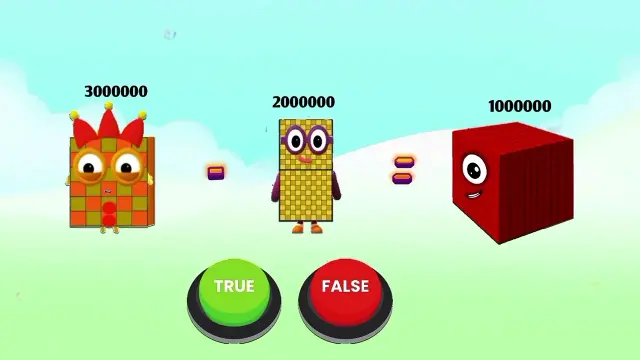 Big Numbers True or False Math Quiz for Kids
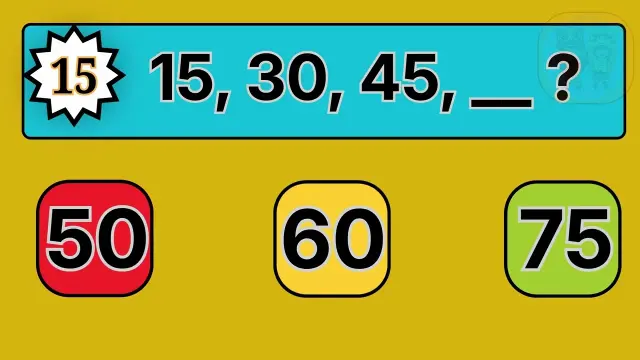 Interactive Number Pattern Quiz For Kids
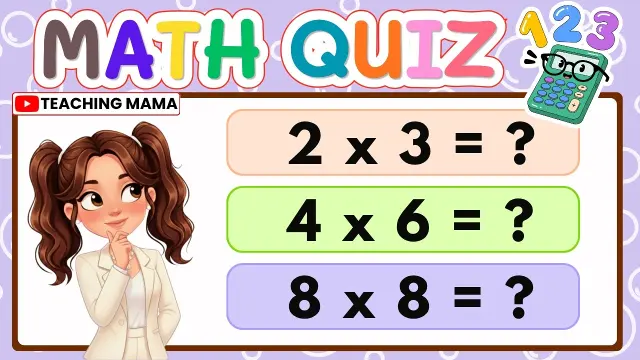 Fun Basic Multiplication Math Quiz Activity for Young Children
 Simple Addition Practice and Quiz for Kindergarten Kids
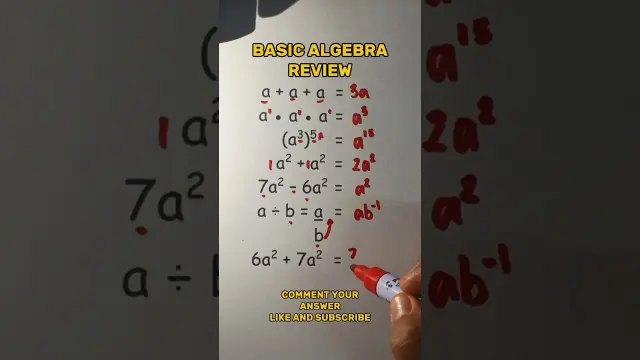 Fundamental Algebra Review with Practice Problems
 Interactive Math Quiz for Young Learners and Preschoolers
 Fun Basic Subtraction Math Quiz Activity for Young Children
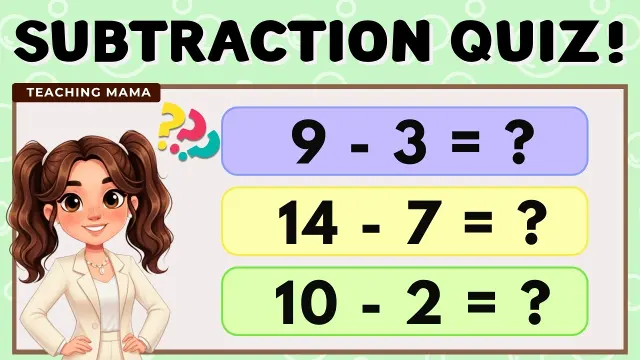 Basic Subtraction Math Quiz Activity for Young Learners
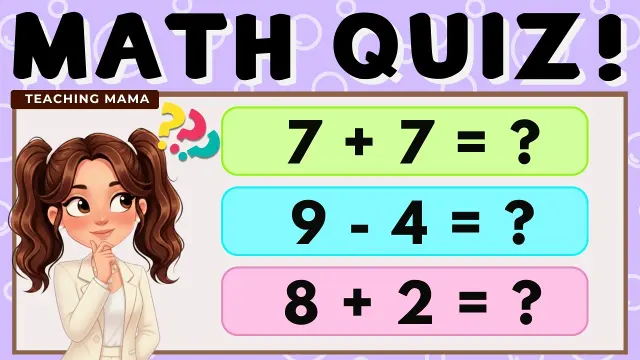 Interactive Math Quiz for Kids Addition and Subtraction
 Interactive Basic Algebra Quiz with Twenty Questions
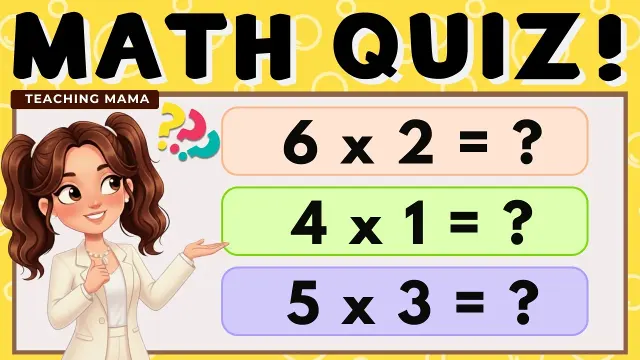 Basic Multiplication Math Quiz for Kids
Get new #Math Quiz ideas by email
Every Thursday: the week's best ideas, with the newest from #Math Quiz.
Related tags
Math Quiz Ideas and Basics
A math quiz is a short set of questions that helps you practice arithmetic, problem solving, and number sense in a focused way. It can be simple or challenging, written or spoken, timed or untimed, and used at any age. People use math quizzes in school, at home, in tutoring, and in games because they make practice feel more active and manageable.
What a math quiz is for
A math quiz is usually meant to check understanding as well as recall. It can cover basic facts such as addition, subtraction, multiplication, and division, or broader topics like fractions, decimals, measurement, geometry, patterns, and word problems. Some quizzes are designed to introduce a topic gently, while others help you review after learning it.
For children, a quiz can build confidence and reinforce number fluency. For older learners, it can highlight where practice is needed and make revision more structured. A good quiz does not only test speed; it also helps you think clearly and spot patterns.
Read more
Common kinds of math quizzes
Math quizzes can take many forms, depending on the goal.
- Basic facts quizzes: quick practice with sums, times tables, or number bonds
- Word problem quizzes: short stories that ask you to choose the right calculation
- Mixed-topic quizzes: a variety of question types in one set
- Visual quizzes: questions using shapes, diagrams, or number lines
- Mental math quizzes: designed to be solved without writing much down
- Review quizzes: used after learning a topic to check understanding
Each kind has its place. If you are just starting out, short quizzes with clear, familiar questions are usually easiest to manage.
How to approach one well
When you take a math quiz, it helps to read each question carefully before answering. Look for key words, but do not rely on them alone. Think about what the question is really asking. If you can, work through the steps rather than guessing too quickly.
A few simple habits make a difference:
- Start with questions you know well to build confidence
- Write out working when the question is more than a quick fact
- Check units and labels in measurement or geometry questions
- Re-read word problems to avoid missing important details
- Review mistakes calmly and try to understand them
If you are making a quiz
If you create a math quiz for someone else, keep the level clear and the wording simple. Mix easy and slightly harder questions so the quiz feels encouraging rather than overwhelming. Use one clear idea per question, especially for beginners. If you include word problems, keep the language straightforward and the numbers realistic.
It also helps to match the quiz to the learner’s stage. A younger child may need pictures, repeated patterns, and small numbers. An older learner may benefit from multi-step problems and a wider range of topics.
A useful way to learn
Math quizzes work best when they are part of regular practice. Short sessions are often more effective than long, tiring ones. If you get a question wrong, treat it as useful information rather than a failure. Over time, quizzes can help you become more accurate, more confident, and more comfortable with numbers.
Videos come from YouTube and posts from Instagram; titles and summaries are our own. All rights belong to their creators.