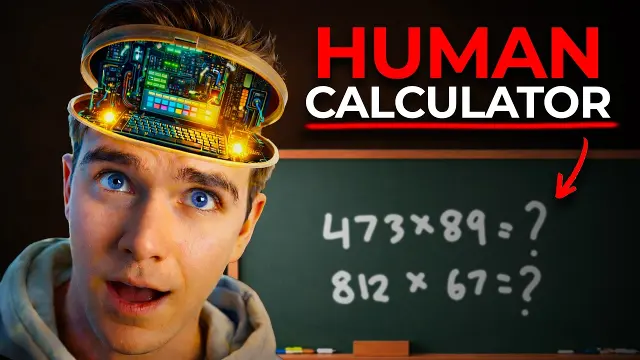
 How to Calculate Instantly Using Mental Math Techniques
#Mental Math
46 ideas
How to Calculate Instantly Using Mental Math Techniques
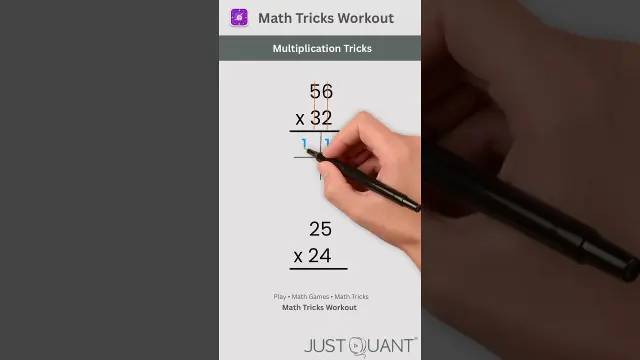 Vedic Math Shortcut to Multiply Any Two Digit Numbers Fast
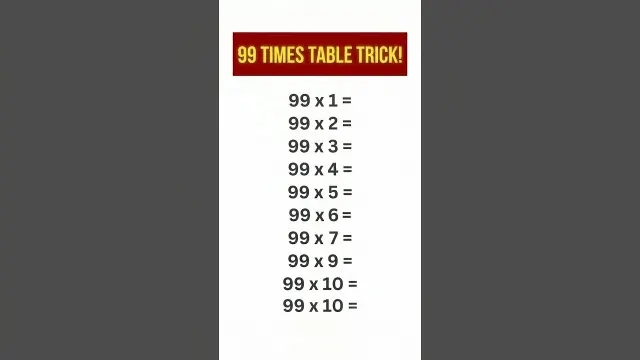 Easy Shortcut for the 99 Times Table in Mental Math
 Unique Tips and Shortcuts for Fast Mental Math
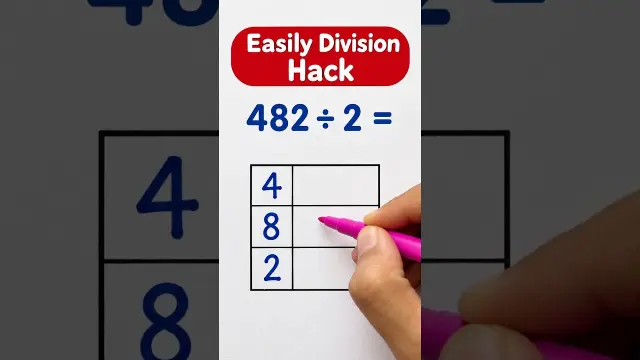 Easy Grouping Method for Division Calculations
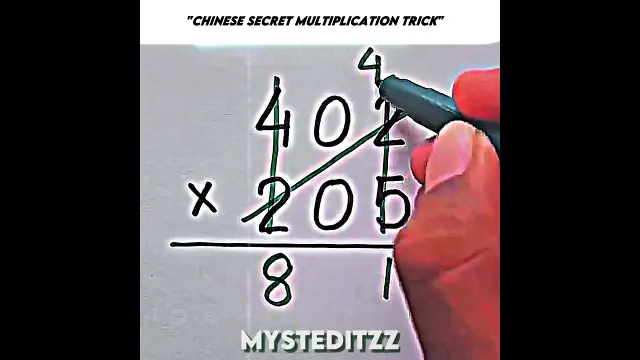 Fast Cross Multiplication Shortcut for Three-Digit Numbers
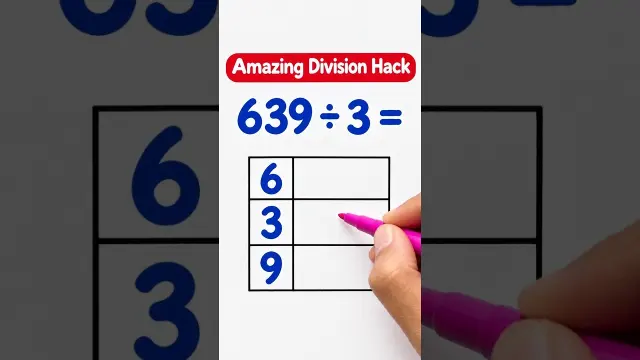 Fast Mental Math Shortcut for Division
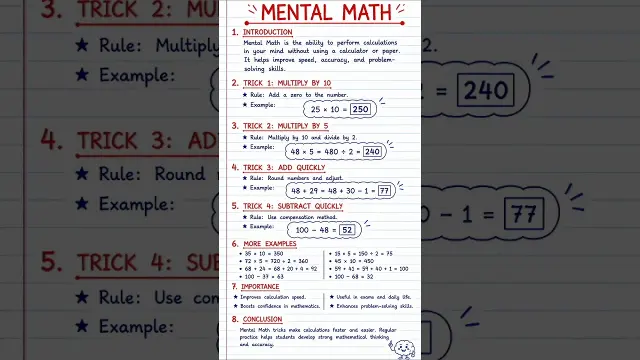 Fast Calculation Techniques and Mental Math Tricks
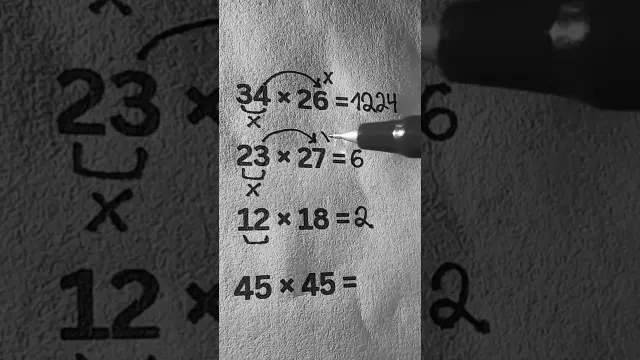 Fast Two-Digit Multiplication Trick in Seconds
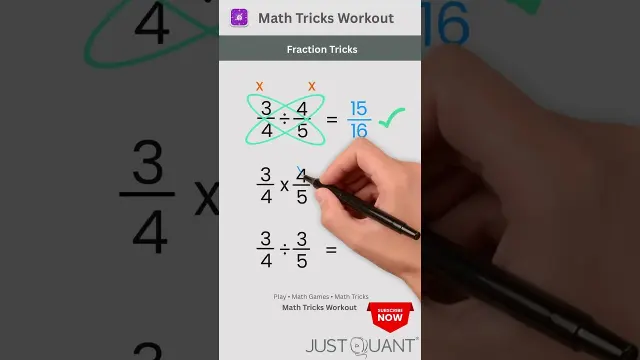 Butterfly Method and Fraction Simplification Tricks
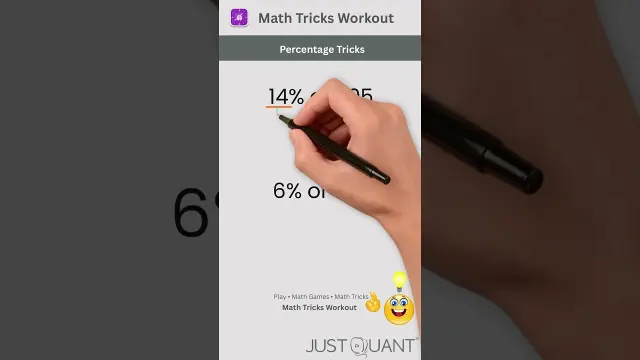 Fast Mental Math Percentage Calculation Trick Using Zero in the Middle
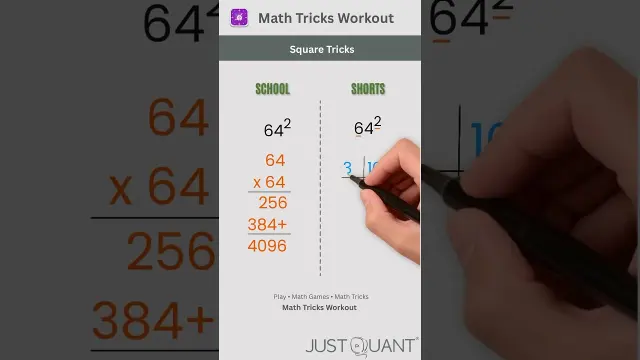 Fast Mental Math Trick for Squaring Two Digit Numbers
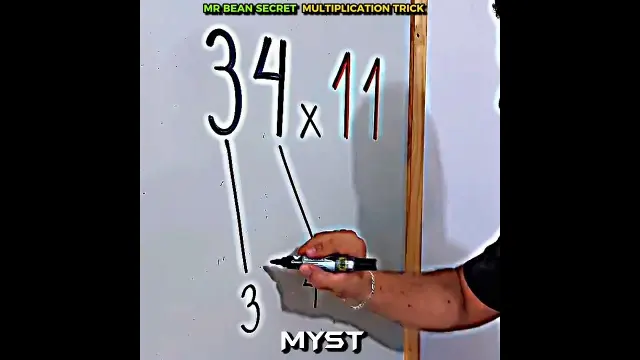 Lightning Fast Multiplication Trick for Two Digit Numbers by Eleven
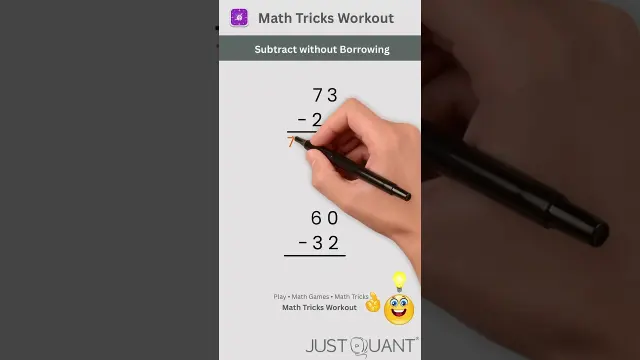 Mental Math Trick for Subtraction Without Borrowing
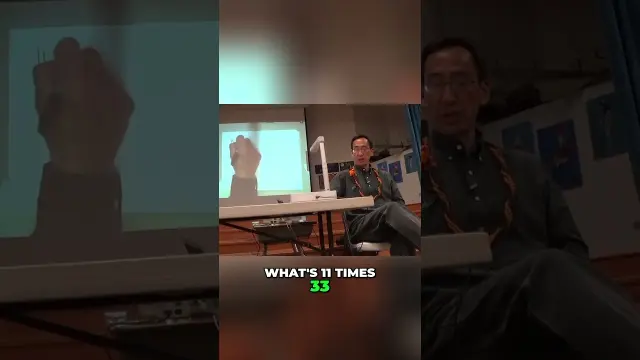 Quick Mental Trick for Multiplying Any Two-Digit Number by Eleven
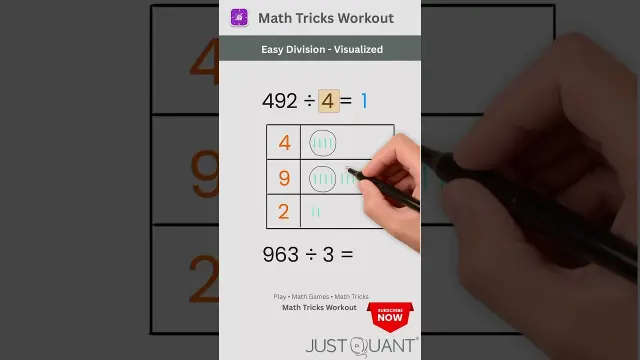 Visual Division Shortcuts for Faster Mental Calculations
 Essential Mental Math Tricks for Faster Calculations
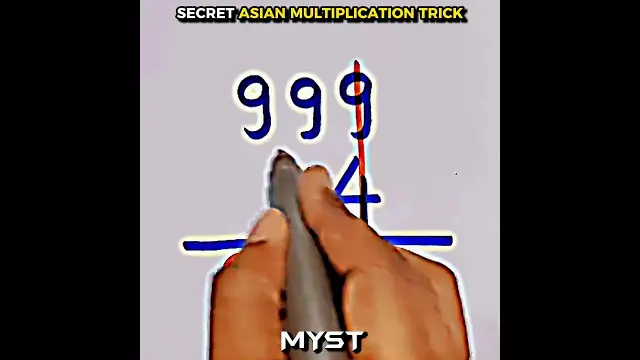 Visual Asian Multiplication Trick for Large Numbers
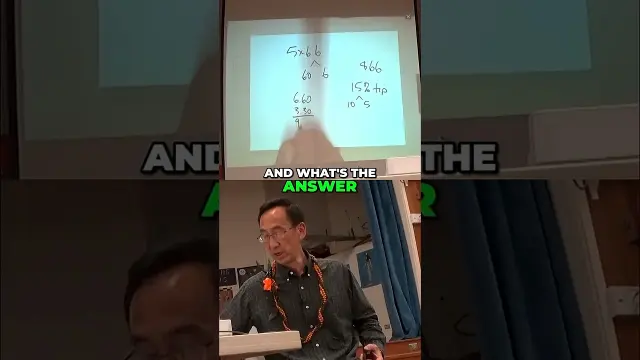 Simple Mental Math Trick for Calculating Tips Quickly
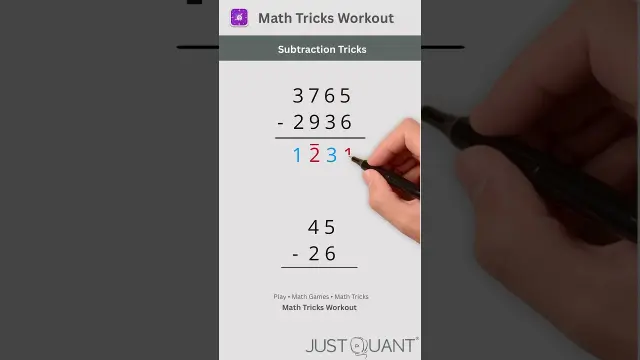 Left to Right Subtraction Mental Math Trick
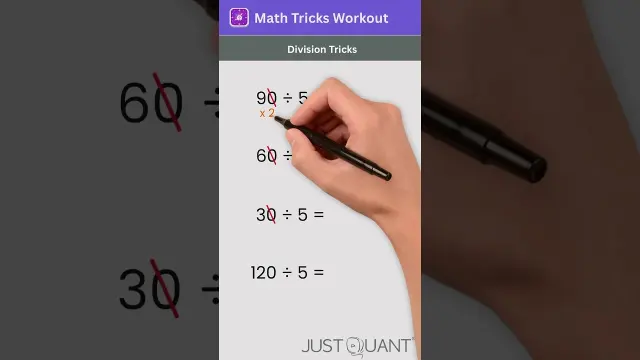 Quick Division Shortcuts and Mental Math Tricks
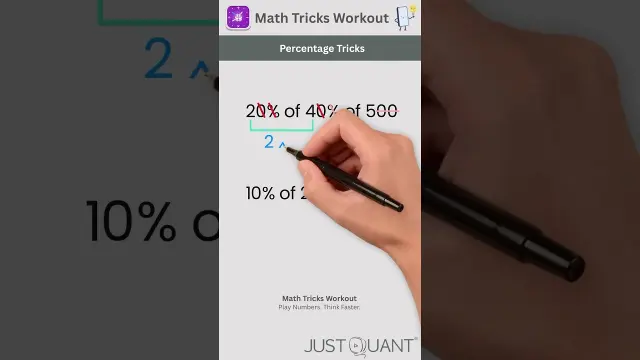 Chained Percentage Calculation Shortcut Using Zero Cancellation
Get new #Mental Math ideas by email
Every Thursday: the week's best ideas, with the newest from #Mental Math.
Related tags
Mental Math Basics and Useful Shortcuts
Mental math is the practice of doing calculations in your head without writing them down or using a calculator. It is useful in everyday life, from splitting a bill and estimating a total to checking whether an answer makes sense. At its best, mental math is less about memorizing tricks and more about recognizing number patterns and using them in a flexible way.
What mental math is
Mental math includes addition, subtraction, multiplication, division, estimation, and working with percentages or fractions. You may use it when shopping, cooking, planning a budget, or making quick decisions. It helps you stay comfortable with numbers and can make larger calculations feel less intimidating.
Some people think mental math means being naturally “good at math,” but it is really a skill you can build. The more you practice, the more familiar numbers become.
Read more
Common approaches
There is no single correct method. Different problems suit different strategies.
- Breaking numbers apart: Split a number into tens and ones, then calculate each part.
- Rounding and adjusting: Round to an easier number first, then correct the difference.
- Grouping: Rearrange numbers into pairs or sets that are easier to combine.
- Using doubles and halves: If one number is easier to double, this can simplify multiplication or division.
- Estimating first: Make a quick estimate before calculating exactly so you know the answer should be in the right range.
For example, 48 + 27 can be handled by adding 40 + 20 and then 8 + 7. For 19 × 6, you might think of 20 × 6 and subtract 6. These are simple ways to reduce the load on memory.
Useful techniques for beginners
If you are new to mental math, start with small numbers and simple patterns.
- Practice making 10, 100, or 1,000 quickly.
- Learn basic multiplication facts until they feel automatic.
- Use friendly numbers when possible, such as 25, 50, or 100.
- Check answers by estimating before and after you calculate.
- Say the steps in your head clearly, rather than rushing.
It also helps to notice how numbers relate to each other. For example, division can often be made easier by splitting a number into parts that are both divisible by the same number.
Tips for everyday use
Mental math is most helpful when accuracy matters but a full written calculation is not necessary. If the numbers are large or the situation is important, take your time and verify your answer another way.
A few habits make mental calculation easier:
- Stay calm and work in small steps.
- Keep track of each part of the calculation.
- Use patterns you already know well.
- Practice often, even for a few minutes at a time.
Mental math becomes easier when you treat it as a practical skill rather than a test. With steady practice, you will start to notice quicker routes through familiar calculations and feel more confident using numbers in daily life.
Videos come from YouTube and posts from Instagram; titles and summaries are our own. All rights belong to their creators.