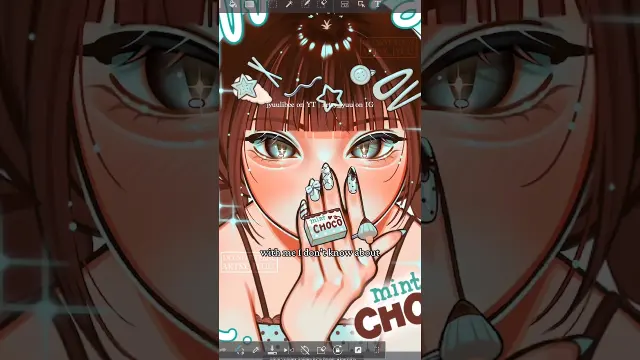
 Original Character Digital Drawing and Painting Process
#Original Character
1 ideas
Original Character Digital Drawing and Painting Process
Get new #Original Character ideas by email
Every Thursday: the week's best ideas, with the newest from #Original Character.
Related tags
Original Character: A Beginner's Guide to Creating Your Own
An original character, often shortened to OC, is a fictional person you invent yourself rather than borrow from a book, film, game or comic. You decide how they look, what they are called, where they come from and what they want. The character may live only in drawings, in written notes, in a roleplay with friends, or across all of these at once. What makes it original is simply that it began with you.
Where the idea comes from
Making up people is as old as storytelling, but the habit of treating invented characters as personal projects grew out of fan communities, tabletop roleplaying games and online art circles. Players needed personalities to inhabit, artists wanted subjects they cared about, and writers wanted someone to follow through a story. Over time these separate habits merged into a shared culture with its own vocabulary, and the label original character became a way to distinguish a self-made figure from an established one.
Kinds of original characters
Read more
There is no single correct form. Some people create characters for a story they are writing, giving them a full history and a role in the plot. Some design them purely as visual exercises, exploring a face or a silhouette. Others make characters to play in roleplay groups or games, where the character needs goals and weaknesses that can drive a scene. A fourth common kind is the self-insert or persona, a figure that represents the maker in a fictional setting. All of these are legitimate, and many people keep several at once.
What beginners should know
Start with one strong idea rather than ten weak ones. A single detail you find interesting, a job, a colour, a way of speaking, can be enough to build outward from. Ask what your character wants and what stops them; that tension is what makes a person feel alive on the page.
Practical habits that help:
- Keep a sketchbook or a plain notes file for fragments, even ones you cannot use yet.
- Give the character a contradiction, such as confidence in public and shyness in private.
- Limit your palette and shapes when designing, so the character stays recognisable and readable.
- Write a short scene rather than a long biography; behaviour reveals more than a list of facts.
- Let characters change. Something fixed forever becomes dull to draw and to write.
On names and details
Choose a name for how it sounds and feels, not for how unusual it is. Check that it is easy for you to say and spell, since you will use it often. Resist the urge to fill every gap in a backstory at once; leaving room means the character can surprise you later. If you share your character with others, be clear about what is yours and be generous with credit to the artists and writers you learn from.
Above all, an original character is a place to practise. Nothing about them is permanent, and the version you draw in a year may be nothing like the first one. That is not failure. That is the point.
#Original Character: frequently asked questions
How do I start creating an original character if I have never made one before?
Begin with one detail that genuinely interests you, such as a job, a colour, a way of speaking or a single scene you want to see, and build outward from there. Then ask what the character wants and what is standing in their way, because that tension is what makes an invented person feel alive. Keeping a notes file for loose fragments helps, even the ones you cannot use yet.
What do I actually need to make an original character, and do I need art skills?
You need very little beyond a place to record ideas, which can be a sketchbook, a plain text file or a folder of images. Drawing is one way to bring a character to life, but written scenes, roleplay and simple notes work just as well, so skill with a pencil is not a requirement. What matters is that the character has enough of a personality and a goal to be interesting to spend time with.
Which kind of original character should I choose, a story character, a design exercise, a roleplay character or a persona?
Pick the kind that matches what you actually want to do with them, since a character built for a written story needs a history and a role in the plot, while one made for roleplay needs goals and weaknesses that can drive a scene. A character designed purely as a visual exercise can stay looser and more experimental, and a persona that represents you in a fictional setting follows its own rules. Many people keep several at once, so you are not locked into a choice.
How do I keep an original character consistent over time, and how do I look after one I have used for a while?
Limit their palette, shapes and speech patterns when designing, so the character stays recognisable and readable wherever they appear. Give them a contradiction, such as being confident in public and shy in private, because that gives you something stable to return to while still allowing change. Reviewing them occasionally and letting details shift keeps them from becoming dull to draw and to write.
What are the most common mistakes beginners make with original characters?
The most frequent one is starting with too many weak ideas at once instead of one strong premise, which spreads the character thin. Another is filling in every gap in the backstory immediately, which leaves no room for the character to surprise you later, and a third is writing a long list of facts rather than a short scene, since behaviour reveals more than biography. Choosing a name for how it sounds and feels, rather than how unusual it is, avoids another common trap.
How can I share my original character with others without problems?
Be clear about what is yours and generous with credit to the artists, writers and communities you learned from. If you draw on ideas from fan spaces or roleplay groups, say so openly and ask before using someone else's character in your own work. Remember that nothing about an original character is permanent, so treat early versions as practice rather than as a final statement.
Videos come from YouTube and posts from Instagram; titles and summaries are our own. All rights belong to their creators.