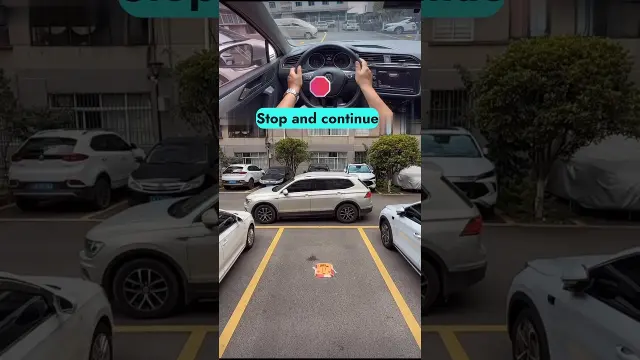
 Beginner Driving Lesson Day Three: Steering, Clutch and Gears
#Parking
2 ideas
Beginner Driving Lesson Day Three: Steering, Clutch and Gears
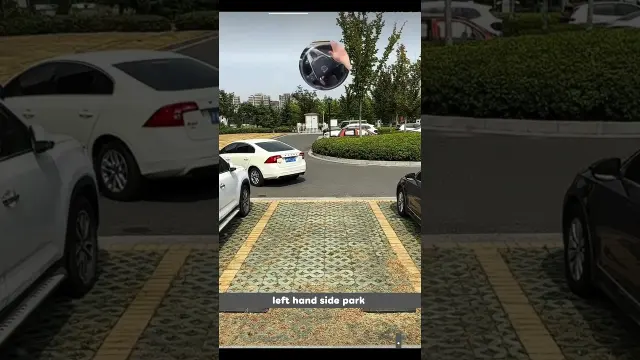 Beginner Driving Lesson: Parking Techniques and Test Tips
Get new #Parking ideas by email
Every Thursday: the week's best ideas, with the newest from #Parking.
Related tags
Parking: A Beginner's Guide to Parking a Car Safely
Parking is the business of bringing a car to a stop in a defined space — and then getting it out again, usually with less room than you would like. It sounds minor next to driving in traffic, but it is where patience, precision and spatial awareness are tested hardest. It is also the manoeuvre new drivers dread most, and the one that rewards deliberate practice more reliably than almost any other.
Why it feels harder than it looks
At walking pace, small errors have time to grow: the car drifts, the kerb arrives sooner than expected, and the wheel is already at full lock. A good part of the difficulty is simply that you cannot see the corners of your own car. Parking is therefore less about delicate steering than about learning where your car's edges are and using the mirrors to keep track of them.
The main kinds of parking
Read more
- Parallel parking, along a kerb between two cars. Pull alongside the car in front, reverse at an angle, then turn the wheel the other way to bring the nose in and straighten up.
- Bay parking, into marked bays in a car park, either nose-in or in reverse. Reversing in is often easier to correct, because you can see the lines in your mirrors for longer.
- Angled parking, where bays sit at an angle to the kerb. Follow the direction of the lines rather than fighting them.
- Hill parking, where the slope changes how the car rolls and how much control you need. Turn the wheels so that, if the car moved, it would be caught by the kerb rather than rolling into traffic, and set the handbrake before you let go of the foot brake.
- Garages and driveways, tight in a different way: low walls, door frames and overhanging branches all narrow the space you thought you had.
What beginners should know
- Slow is smooth. In a tight space you want the clutch at biting point or a feather of brake — almost never the accelerator.
- Turn the wheel while the car is moving. Winding it lock to lock while stationary strains the steering and scrubs the tyres.
- Find reference points — a spot on the window or mirror where the kerb or line appears — and use the same ones every attempt.
- Look around, not just at the space. Pedestrians, cyclists, car doors opening, and the traffic you are about to rejoin all matter more than the last few centimetres.
- If it goes wrong, drive forward and start again. Resetting is a skill, not a failure.
Practical tips
Dip the mirrors down when reversing so you can see the kerb and the lines. Parking sensors and cameras are useful aids, but treat them as extra information rather than a substitute for looking. Read the signs and markings before you commit: yellow lines, loading bays, crossings, driveways and accessible bays all carry rules that vary from place to place. Leave enough room to open doors and to leave again. And practise where nothing is at stake — an empty car park on a quiet morning teaches more in an hour than a dozen attempts on a busy street.
#Parking: frequently asked questions
How do I start learning to park without feeling overwhelmed?
Begin somewhere with nothing at stake, such as an empty car park on a quiet morning, and repeat the same manoeuvre until it feels familiar rather than frightening. Keep the car crawling at walking pace, using the clutch at biting point or a feather of brake instead of the accelerator. What you are really building is a sense of where the car's edges are, which is the part you cannot see from the driver's seat.
Which kind of parking should a new driver learn first?
Reversing into a marked bay is usually the friendliest place to start, because the lines stay visible in your mirrors for longer and small errors are easy to correct. Parallel parking along a kerb is the one learners dread, but the same reference points and slow speed make it manageable once the basics feel natural. Angled bays and hills are best left until the car's size and steering response feel predictable.
What should I check before committing to a parking space?
Read the signs and road markings first, since yellow lines, loading areas, crossings and accessible bays all carry rules that differ from one place to another. Check that you will have room to open the doors and to pull out again, and glance for pedestrians, cyclists and people about to open car doors. Dipping the mirrors down before you reverse gives you a much clearer view of the kerb.
Why is parallel parking so much harder than it looks?
At low speed there is time for small errors to grow: the car drifts slightly, the kerb arrives sooner than expected, and the wheel is already at full lock. A large part of the difficulty is simply that you cannot see the corners of your own car, so steering delicately matters less than knowing where those corners are. Find a fixed reference point on the window or mirror where the kerb appears, and use that same point on every attempt.
What mistakes do learners make most often when parking?
Turning the wheel while the car is standing still is a common one, and it strains the steering and scrubs the tyres rather than helping. Others are rushing with the accelerator, watching only the gap and forgetting the traffic around them, and refusing to reset when the angle goes wrong. Driving forward and starting the manoeuvre again is a normal skill, not a failure.
How should I park on a hill?
A slope changes how the car rolls, so you need more control than on flat ground. Set the handbrake before releasing the foot brake, and turn the wheels so that if the car did move it would be caught by the kerb rather than rolling into traffic. Practising the sequence slowly on a quiet incline makes it second nature when you meet one in earnest.
Videos come from YouTube and posts from Instagram; titles and summaries are our own. All rights belong to their creators.