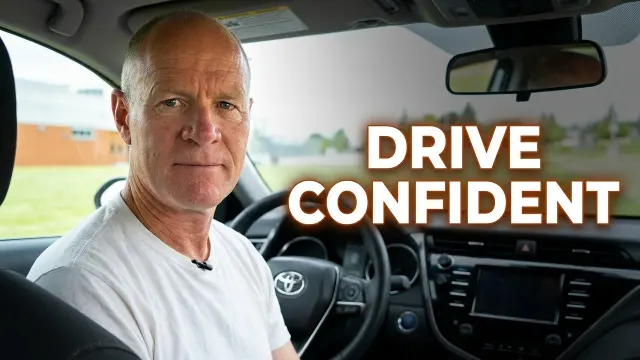
 First Time Driving: What to Do Before You Move the Car
#Pre-Drive Checks
1 ideas
First Time Driving: What to Do Before You Move the Car
Get new #Pre-Drive Checks ideas by email
Every Thursday: the week's best ideas, with the newest from #Pre-Drive Checks.
Related tags
Pre-Drive Checks: A Simple Routine Before You Set Off
Every journey begins before the car moves. A pre-drive check is simply the short, repeatable routine of looking over the vehicle and adjusting yourself to it, so that small problems are noticed while you are still stationary. It takes a couple of minutes, and it is the difference between reacting to a fault at speed and spotting it in your driveway.
Why the routine matters
Most mechanical trouble announces itself early. A tyre loses pressure slowly, a bulb fails quietly, a fluid level drops gradually. None of these is dramatic on its own, but each becomes serious at the wrong moment — a soft tyre on a wet motorway, a dead brake light in heavy traffic. The walk-around exists to catch them while the car is parked and the stakes are low. It also gives you a moment to shift attention: from the errand you are leaving, to the road you are about to join.
The outside walk-around
Read more
Start at the driver's door and go round the car once, in the same direction every time, so you never skip the same corner twice.
- Tyres: check that each one looks properly inflated and undamaged. A tyre that sits visibly low, or has a bulge or a cut, needs attention before you drive. Cold tyres give the most reliable pressure reading, so a gauge kept in the glovebox is worth having.
- Lights: confirm the headlights, indicators, brake lights and tail lights are clean and unbroken. Ask someone to help you check the ones you cannot see from the driver's seat.
- Glass and mirrors: clear the windscreen, windows and mirrors of frost, condensation, leaves or dust. Visibility is not a small thing.
- Around the car: look for toys, bicycles, tools or animals near the wheels, and check that nothing is trapped under or leaning against the bodywork.
- Underneath: a fresh patch of fluid on the ground is worth investigating before you go anywhere.
Inside the car
Once you are in, set yourself up before touching the controls. Adjust the seat so your back is supported and you can press the pedals fully with a slight bend in the knee. Set the headrest, then the mirrors, then fasten your seatbelt — and check that passengers have done the same. Make sure children are properly restrained and pets are secured.
Turn the ignition and watch the dashboard as the warning lights come on and go out. A light that stays lit is the car telling you something; look it up in the handbook rather than hoping it clears.
A few habits worth keeping
Check fuel or charge early rather than at the last minute. Clear loose objects from the footwell and the parcel shelf, since anything heavy becomes a projectile in sudden braking. Put your phone out of reach before you start. In poor weather, add a check of the forecast and give yourself more time.
None of this needs to become a ritual. Done the same way each time, the routine takes a minute, becomes automatic, and quietly removes a whole category of avoidable trouble from your day.
#Pre-Drive Checks: frequently asked questions
What should I check on the car before I set off?
Walk around the vehicle once and look at the tyres, the lights, and the glass and mirrors, then glance underneath for fresh fluid patches and around the wheels for anything left in the way. Once you are seated, set the seat, headrest and mirrors, fasten your belt and confirm passengers and pets are secure. The point is to catch small faults while you are still stationary rather than at speed.
How do I turn pre-drive checks into a habit I actually keep?
Pick a fixed starting point, such as the driver's door, and always move round the car in the same direction so no corner gets skipped. Keep the few things you need, like a pressure gauge, where you can reach them without hunting. Done the same way each time the routine becomes automatic and stops feeling like a chore.
Which order should the checks follow?
Start outside with the walk-around, since that is where slow tyre pressure loss, a failing bulb or a trapped object shows up first. Then move inside and set yourself up before touching any controls: seat, headrest, mirrors, belt, then passengers. Turning the ignition comes last, so you can watch the dashboard lights come on and go out with your attention already on the car.
What should I do if a warning light stays on after starting?
A light that does not go out is the car reporting something rather than a quirk to ignore. Check the handbook to find out what that symbol means for your vehicle instead of hoping it clears on the road. If you are unsure what it indicates, it is safer to have it looked at before driving.
What do people most often get wrong?
The common slip is doing the checks in a different order each time, which is how the same corner or the same light gets missed repeatedly. Others check the tyres after driving rather than while they are cold, or clear only the driver's side of the windscreen and leave the rest fogged. Leaving loose objects on the parcel shelf or in the footwell is another easy thing to overlook.
What is worth keeping in the car for these checks?
A tyre pressure gauge in the glovebox makes the tyre part of the routine quick and reliable, and a cloth for glass and mirrors saves improvising later. Beyond that, the routine mostly needs your attention rather than equipment, plus the habit of putting your phone out of reach before you pull away.
Videos come from YouTube and posts from Instagram; titles and summaries are our own. All rights belong to their creators.