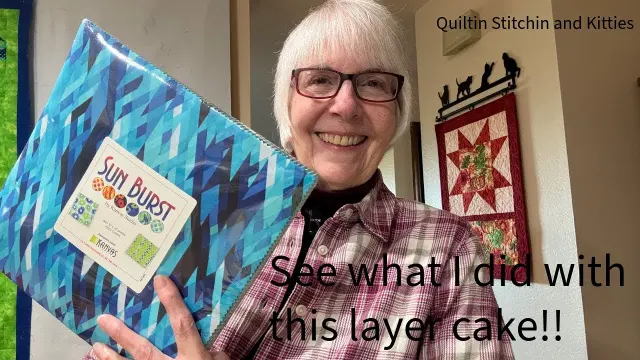
 Fun and Simple Layer Cake Quilt with Spectacular Results
#Quilting Inspiration
4 ideas
Fun and Simple Layer Cake Quilt with Spectacular Results
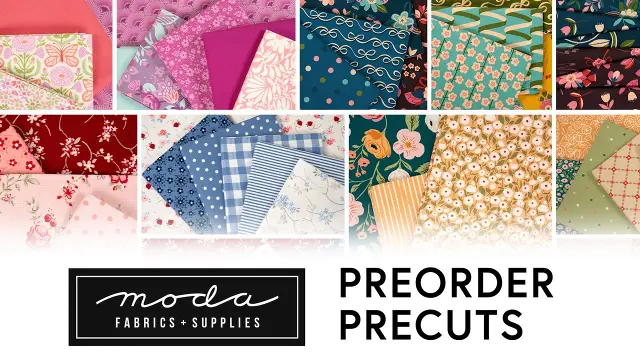 Summer Moda Precuts and Fabric Collections Preview
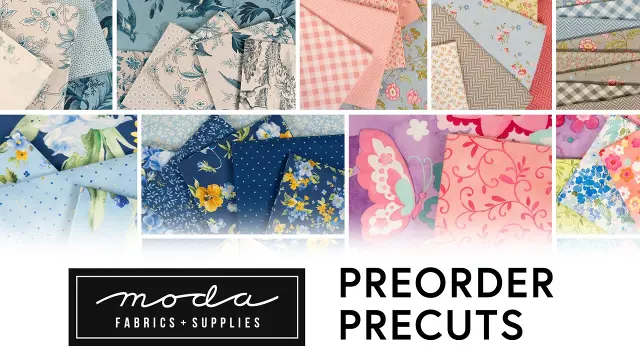 Previewing the Latest Moda Precut Collections
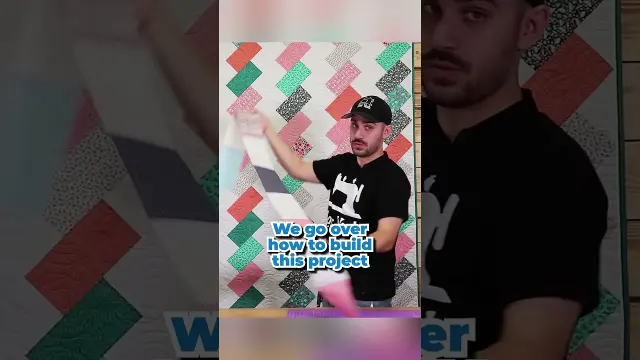 Side Step Layer Cake Quilt Quick Project Idea
Get new #Quilting Inspiration ideas by email
Every Thursday: the week's best ideas, with the newest from #Quilting Inspiration.
Related tags
Quilting Inspiration for Creative Makers
Quilting is the craft of joining layers of fabric to make something warm, useful, and beautiful. Traditionally, it combines a top layer made from patchwork or a single fabric, a soft batting layer in the middle, and a backing layer underneath. Stitches hold these layers together and also create the surface pattern that gives a quilt its character.
Quilting has roots in many textile traditions around the world. It has long been used for bedding, clothing, and household items, but it is also an art form in its own right. Some quilts are made for everyday use, while others are created to display colour, pattern, memory, and personal style.
Common quilting styles
There are many ways to approach quilting, and part of the pleasure is choosing a style that suits you.
Read more
- Patchwork quilting uses small pieces of fabric sewn together to form blocks or repeated designs.
- Wholecloth quilting uses a single piece of fabric for the top, with the stitching itself creating the pattern.
- Appliqué quilting adds fabric shapes onto a background, either by hand or machine.
- Modern quilting often uses bold shapes, open space, and simple colour palettes.
- Traditional quilting often features classic blocks, repeating layouts, and a strong sense of symmetry.
Basic techniques
Most quilts begin with careful cutting and piecing. Accuracy matters, because even small differences can affect how blocks fit together. A good ironed seam can make a big difference too, helping pieces sit flat and align neatly.
After the quilt top is finished, the layers are usually basted together before quilting begins. Basting means holding the top, batting, and backing in place so they do not shift. You can quilt by hand or machine, using straight lines, curves, or decorative stitching.
Binding is the final edge finish that encloses the raw edges and gives the quilt a neat border. It is both practical and decorative, and it often frames the finished piece beautifully.
What beginners should know
If you are new to quilting, start with a simple project. Large shapes are often easier than very small ones, and a straightforward design can still look striking. Choose fabrics that work well together, but do not worry about matching everything perfectly. Quilts often look best when there is some contrast between light, medium, and dark tones.
A few practical tips can help:
- Cut carefully and use a consistent seam allowance.
- Press seams as you go for a flatter finish.
- Start with a simple block pattern or a pre-cut fabric bundle if you want an easier beginning.
- Baste securely so the layers stay in place while you quilt.
- Practice stitching on fabric scraps before working on the full piece.
Finding inspiration
Quilting inspiration can come from many places: a favourite colour combination, a piece of clothing, a vintage block pattern, a garden, or even an everyday object with strong shapes. You do not need a complicated design to make something lovely. Often, the most satisfying quilts come from clear colours, balanced spacing, and thoughtful stitching.
Whether you sew by hand, by machine, or a little of both, quilting rewards patience and attention. It is a craft where small pieces come together to make something lasting, personal, and full of warmth.
#Quilting Inspiration: frequently asked questions
How do I start quilting if I’m a beginner?
Start with a simple project that uses larger shapes and a clear block layout. A straightforward design can still look beautiful, especially if you focus on neat cutting, pressing seams, and basting the layers securely before you stitch.
What supplies do I need for a basic quilting project?
You will need fabric for the top, batting for the middle, backing fabric, thread, and a way to cut and sew accurately. An iron is also very helpful, since pressing seams makes the pieces lie flatter and fit together more neatly.
Should I choose patchwork, wholecloth, modern, or traditional quilting?
It depends on the look you want and how much detail you enjoy. Patchwork and traditional quilts often feel classic and structured, while wholecloth and modern quilts can look cleaner, bolder, and more minimal.
What kind of fabric layout works best for a quilt that feels balanced?
Fabrics with a good contrast of light, medium, and dark tones usually create more depth and make the design easier to read. You do not need every fabric to match perfectly; thoughtful contrast often gives a quilt more life and interest.
How do I care for a finished quilt so it lasts?
Handle it gently, store it in a clean dry place, and avoid rough folding in the same spot over and over. If it needs cleaning, treat it carefully and follow the fabric and batting requirements so the layers and stitching stay in good condition.
What are some common mistakes to avoid when quilting?
Uneven cutting, inconsistent seam allowance, and poor pressing can make blocks fit badly and cause the quilt top to ripple. Another common issue is weak basting, which lets the layers shift while you stitch and can affect the finished look.
Videos come from YouTube and posts from Instagram; titles and summaries are our own. All rights belong to their creators.