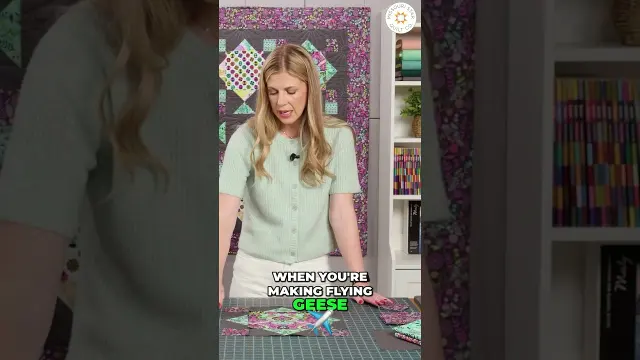
 Why You Should Keep the Overlap on Flying Geese
#Quilting Tips
6 ideas
Why You Should Keep the Overlap on Flying Geese
 Five Essential Things to Know Before Making Your First Quilt
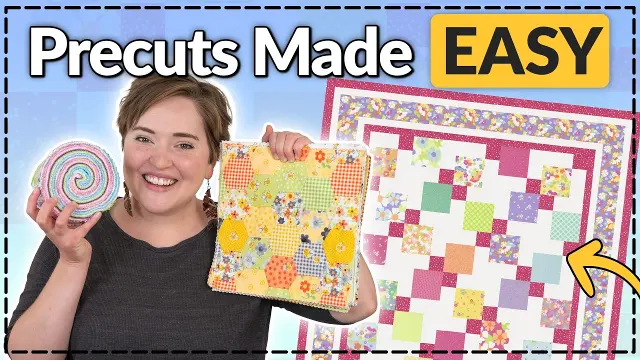 Choosing the Best Patterns and Fabrics for Precut Quilts
 Five Patterns to Sew with Your Layer Cake Stash
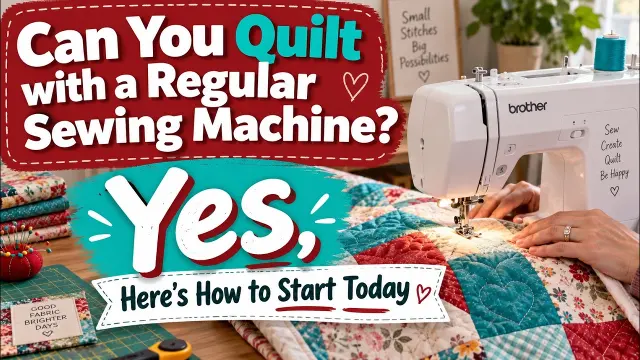 How to Start Quilting Successfully on a Regular Sewing Machine
 Precut Fabrics Versus Yardage for Beginner Quilters
Get new #Quilting Tips ideas by email
Every Thursday: the week's best ideas, with the newest from #Quilting Tips.
Related tags
Quilting Tips for Beginners and Beyond
Quilting is the craft of joining layers of fabric to make a padded textile, usually made from a quilt top, batting, and backing. It has a long history in many cultures, where it has been used for warmth, comfort, decoration, and storytelling. Today, quilting ranges from simple patchwork to detailed decorative work, but the basic idea stays the same: careful stitching brings small pieces together into something useful and beautiful.
Getting started
If you are new to quilting, it helps to begin with a simple project and focus on learning the process rather than making everything perfect. A quilt can be as straightforward as squares sewn into rows, or as involved as complex blocks with many seams. Start with a design that has clear shapes and a manageable number of pieces. This makes it easier to practice cutting, piecing, pressing, and sewing an accurate seam allowance.
Fabric choice matters too. Quilting cotton is a common choice because it is stable and easy to work with, but many other fabrics can be used if they suit the project. Try to choose fabrics with similar weight and feel, especially if you are combining different types. Precut fabric bundles can be convenient for beginners because they reduce cutting time and help coordinate colors, while yardage gives you more freedom to cut exactly what you need.
Read more
Piecing with accuracy
Good quilting usually starts with good cutting and sewing. Use a sharp cutting tool, a straight ruler, and a clear marking method if your pattern needs one. Measure carefully, then cut accurately, since small errors can grow as the quilt comes together.
When sewing, keep a consistent seam allowance. This is one of the most important habits in quilting because it helps blocks finish at the correct size. Press seams as you go, rather than ironing back and forth, so the pieces sit flat without stretching. In many quilts, pressing seam allowances in one direction or open can help the blocks nest more neatly, depending on the pattern.
Working on the sewing machine
You do not need fancy equipment to make a quilt. A regular sewing machine is enough for most quilting projects. Use a suitable needle and thread, and test your stitch length on scraps before starting. If you are quilting by machine, remember that smooth handling is often more important than speed. Guide the quilt gently and let the machine do the work.
For beginners, it is also helpful to practice on small samples first. A test block can show you whether your seam allowance, cutting, and pressing are working together. This saves frustration later and builds confidence.
Finishing well
Once the quilt top is assembled, think about the layers as a whole. Batting affects the feel and drape of the finished quilt, so choose one that suits the intended use. The backing should be large enough to allow for quilting and finishing. Baste the layers carefully so they stay smooth while you sew.
Simple quilting lines can often be the best choice for a first project. Straight lines, gentle grids, or following the block shapes can support the design without overpowering it. After quilting, trim evenly and bind the edges neatly.
Helpful habits to remember
- Keep scraps from your project; they are useful for testing stitches and making small matching pieces.
- Label pieces if a pattern has many similar sections.
- Pause often to check alignment before sewing the next seam.
- Choose a project size that feels realistic, so you can finish with enjoyment.
Quilting becomes easier with practice. The more you work with fabric, the more you learn how different materials behave, how seams fit together, and how small careful choices add up to a quilt you will be proud to use and share.
#Quilting Tips: frequently asked questions
How do I start quilting if I’m a complete beginner?
Start with a simple project that uses basic shapes and a small number of pieces. Focus on learning cutting, piecing, pressing, and seam allowance instead of trying to make everything perfect right away.
What supplies do I need to begin quilting?
At the most basic level, you need fabric for the top, batting, backing, a sewing machine or hand-sewing setup, and tools for cutting and measuring. A sharp cutter, a ruler, thread, and pins or clips can also make the process easier and more accurate.
Should I choose precut fabric or cut my own fabric for a quilt?
Precut fabric is a convenient choice for beginners because it saves time and helps coordinate colors and prints. Cutting your own fabric gives you more flexibility and control, which can be helpful once you feel comfortable with the basics.
What kind of fabric is best for quilting?
Quilting cotton is a popular choice because it is stable, easy to handle, and works well for most projects. If you mix fabrics, try to use materials with a similar weight and feel so the quilt lies flat and wears evenly.
What are common mistakes to avoid when making a quilt?
The most common issues come from uneven cutting, inconsistent seam allowance, and skipping pressing as you sew. It also helps to test on scraps first and check alignment often so small mistakes do not build up across the whole quilt.
Videos come from YouTube and posts from Instagram; titles and summaries are our own. All rights belong to their creators.