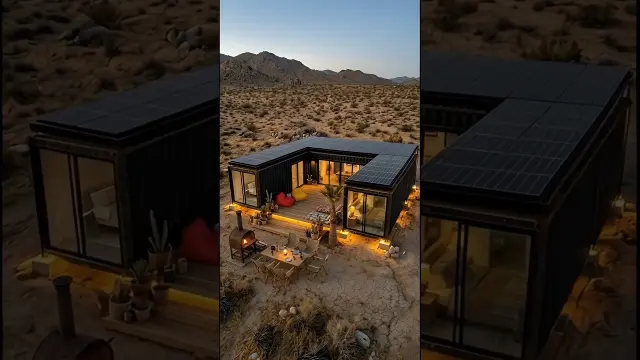
 U-Shaped Shipping Container Home With Solar Power
#Tiny House
11 ideas
U-Shaped Shipping Container Home With Solar Power
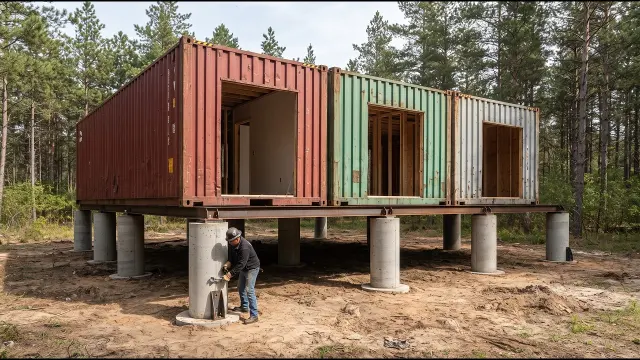 Building a Three-Room Container House on Concrete Supports
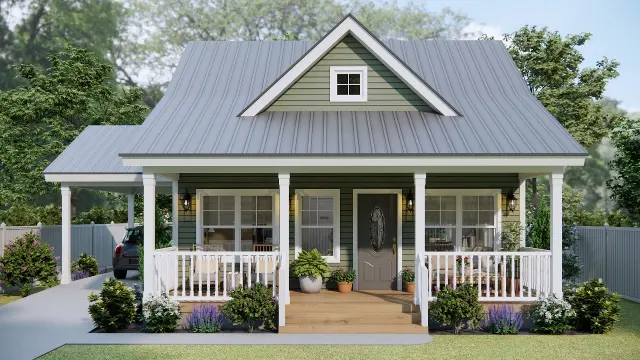 Lovely Small House Plan Featuring 691 Square Feet
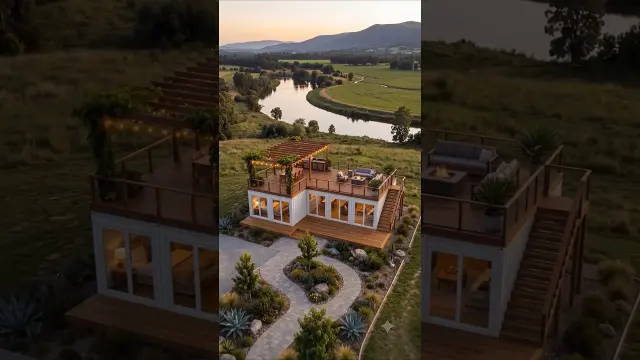 Two-Bedroom Shipping Container Home Plan With Rooftop Deck
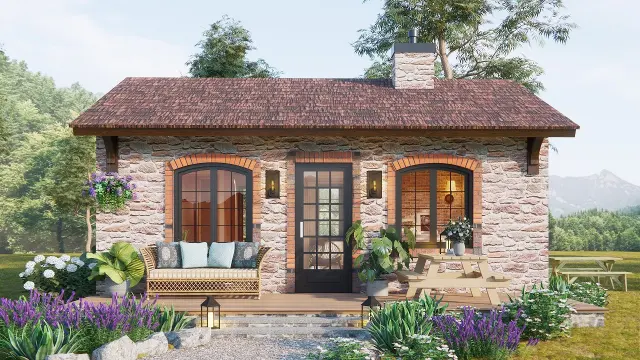 Cozy No-Loft Small House Design of 520 Square Feet
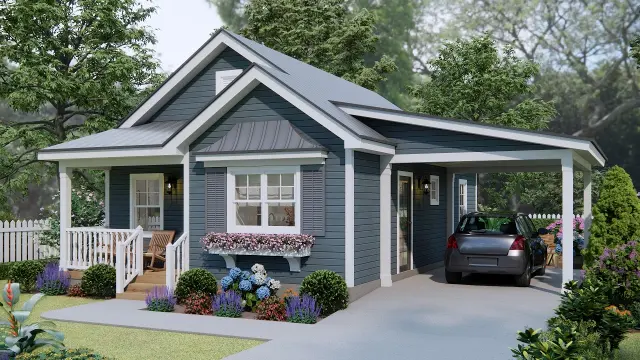 Lovely 667 Square Foot Small House Design
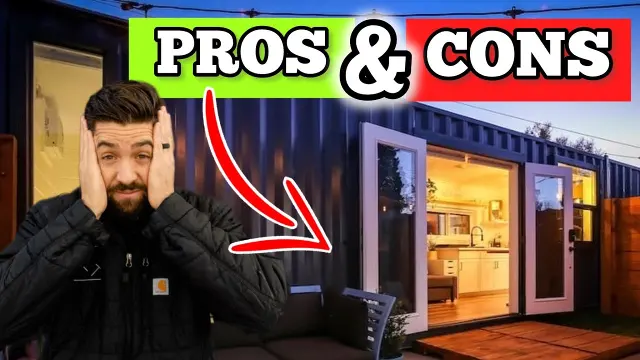 Real Pros and Cons of Designing and Building Container Homes
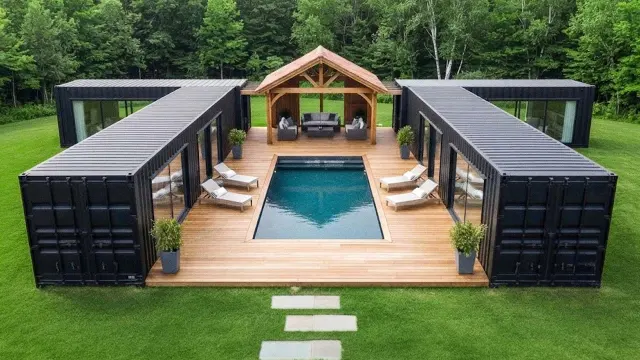 Affordable Luxury Shipping Container Homes With Smart Layouts
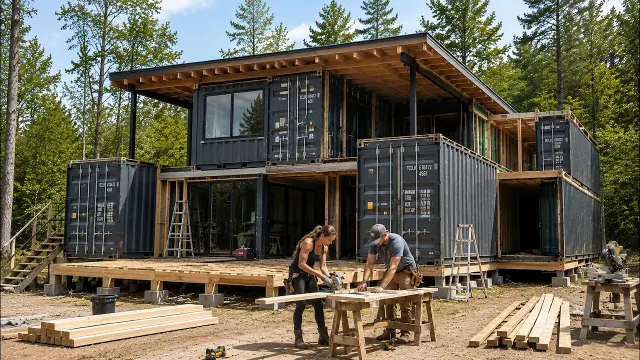 Couple Builds an Off-Grid Shipping Container Home From Scratch
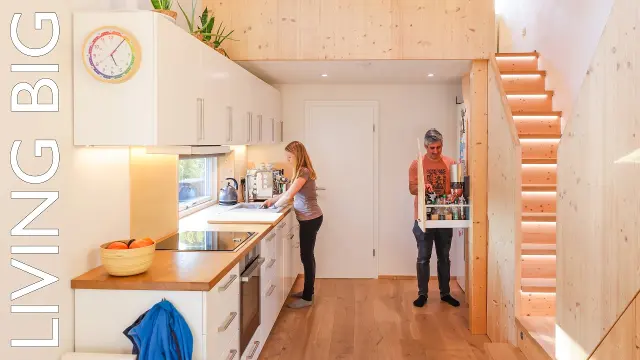 Supersized Tiny House Design for Family Living
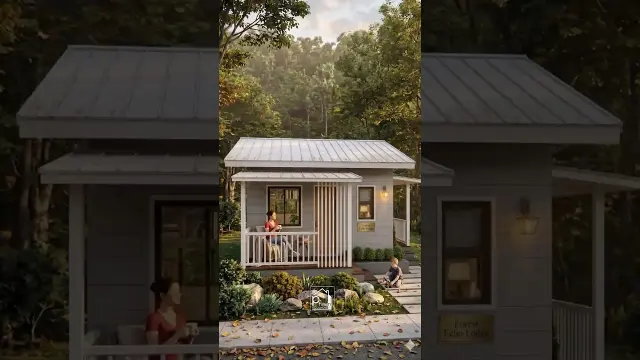 Inside a 30 Square Meter Tiny Home Floor Plan
Get new #Tiny House ideas by email
Every Thursday: the week's best ideas, with the newest from #Tiny House.
Related tags
Tiny House Living: A Practical Guide
Tiny houses are compact homes designed to make the most of a small footprint. They can be built as permanent houses, mobile units on wheels, or very small cabins and backyard dwellings. What matters most is not only size, but how carefully the space is planned. A tiny house is usually about simplicity, efficiency, and living with fewer rooms, fewer belongings, and more intention.
What a tiny house is
The idea behind a tiny house is straightforward: reduce the amount of space you need, then design that space very thoughtfully. Some tiny houses are built for one person or a couple, while others are arranged for small families. They often combine several functions in one room, such as cooking, dining, working, and relaxing in a single open area.
Tiny houses have roots in older traditions of compact living, including cottages, cabins, and other small dwellings built to use land and materials efficiently. The modern tiny house movement has also highlighted careful space planning, portability in some cases, and a more minimalist way of living.
Read more
Common styles and layouts
Tiny houses can take many forms, but a few layouts are especially common:
- Lofted designs, where sleeping space is placed above the main living area
- Single-level layouts, which avoid stairs and suit easier day-to-day movement
- Container-based homes, which use shipping containers as a structural shell
- Cabin-style tiny houses, often simple, practical, and visually warm
- Mobile tiny houses, built to be moved more easily than a fixed house
The best layout depends on how you live. If you prefer open, uncluttered spaces, a single main room may work well. If you need more privacy, a separate bedroom or divided zones may be a better fit.
What beginners should know
A tiny house can feel spacious if the layout is well planned. In a small home, every detail matters. Storage, circulation, natural light, and furniture size all have a big impact on comfort.
Before committing to a tiny house, think about:
- How many people will live there
- Whether you need a full kitchen, a workspace, or guest sleeping space
- How much storage you truly need
- Whether you prefer stairs or a single-floor plan
- If the home will be fixed in place or movable
It also helps to be realistic about daily habits. Compact living works best when you are comfortable keeping only what you use regularly and organizing belongings with care.
Practical tips for small-space living
A tiny house feels easier to use when it is designed around simple routines. Choose furniture that fits the scale of the room, and avoid crowding the space with oversized pieces. Built-in storage can help keep surfaces clear. Light colors, windows, and open sightlines often make a small home feel calmer and brighter.
Good ventilation is important, especially in a compact interior where cooking, bathing, and sleeping all happen close together. Durable, easy-to-clean finishes are also helpful because every surface gets used often.
If you are planning a tiny house, focus first on function, then on style. A well-designed tiny home should support your everyday life comfortably, not just look charming. When the layout is thoughtful, a small space can feel efficient, welcoming, and surprisingly complete.
Videos come from YouTube and posts from Instagram; titles and summaries are our own. All rights belong to their creators.