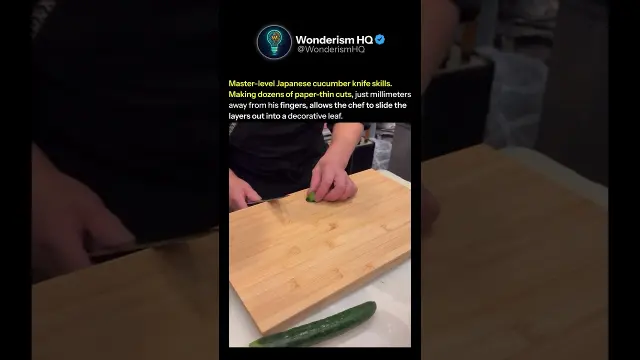
 Single-Bevel Japanese Knives and Precision Vegetable Cuts
#Vegetable Prep
2 ideas
Single-Bevel Japanese Knives and Precision Vegetable Cuts
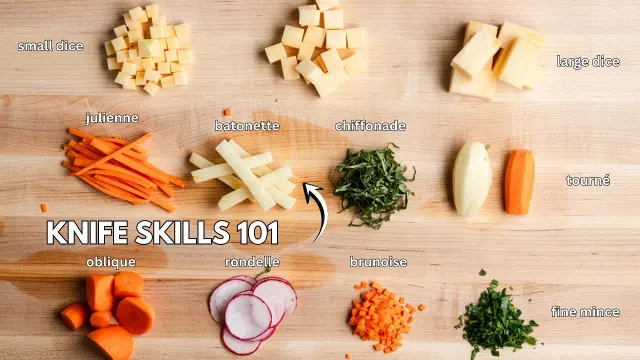 Ten Professional Knife Cuts Taught in Culinary School
Get new #Vegetable Prep ideas by email
Every Thursday: the week's best ideas, with the newest from #Vegetable Prep.
Related tags
Vegetable Prep: Essential Cuts, Tools and Techniques
Vegetable prep is the quiet work that sits underneath nearly every good meal: washing, peeling, trimming, seeding and cutting produce into the size and shape a recipe needs. It sounds like simple labour, but it shapes how a dish cooks, tastes and feels in the mouth. Pieces of the same size cook at the same rate, so a tray of evenly cut roots browns together instead of half burning while the rest stays raw. Consistent shapes also help sauces thicken predictably, salads look deliberate, and leftovers reheat well.
The basic toolkit
You do not need much. A sharp chef's knife does most of the work, and a small paring knife is useful for trimming and hulling. Add a sturdy board, a vegetable peeler and a colander, and you can handle almost anything.
- Keep your knife sharp. A dull blade slips off skins and tomatoes and is far more dangerous than a sharp one.
- Use a board with grip under it, or a damp cloth beneath, so it stays put.
- Choose a board big enough that you are not stacking cut pieces in a crowded corner.
Read more
Holding and cutting
The guiding principle of safe cutting is simple: the hand holding the vegetable stays curled, knuckles forward, so the blade rests against them rather than your fingertips. The knife moves in a rocking or slicing motion, and the tip stays close to the board.
Cut a stable base first. Halve round vegetables so they sit flat, and lay curved items cut-side down before slicing. For anything uneven, trim one side to create a flat surface rather than chasing a wobbling shape.
The classic cuts
Most recipes describe size rather than teaching it, so it helps to know the vocabulary.
- Rough chop: irregular, bite-sized pieces for soups, stews and roasting.
- Dice: neat cubes, small, medium or large, for even cooking and texture.
- Julienne: thin matchsticks, good for stir-fries and slaws.
- Brunoise: a fine dice produced by cutting julienne crosswise, used for garnishes and sauces.
- Chiffonade: leafy herbs or greens stacked, rolled and sliced into ribbons.
Work from large to small. Cut everything into the largest unit first, then divide those pieces down, which keeps your board tidier and your cuts more consistent.
Washing, peeling and ordering
Rinse produce under running water and rub firm skins with your hands; a colander helps for small items. Peeling is often optional, since skins carry flavour and texture, so decide based on the dish. Cut away bruised or damaged spots rather than working around them.
Prepare ingredients in the order the recipe needs them, and group them as you go, so nothing overcooks while you are still chopping. Clean as you work, keep raw produce separate from raw meat, and wash your hands and board between tasks.
With a little practice, prep stops being a chore and becomes the calmest part of cooking.
#Vegetable Prep: frequently asked questions
What do I actually need to start prepping vegetables at home?
A sharp chef's knife does most of the work, with a small paring knife handy for trimming and hulling. Add a sturdy board, a vegetable peeler and a colander, and you can handle nearly any vegetable a recipe throws at you. The board should be large enough that you aren't piling cut pieces into a crowded corner.
How do I decide which cut to use for a vegetable?
Start from what the dish needs: rough, irregular pieces suit soups, stews and roasting, while neat cubes give even cooking and a tidier texture. Thin matchsticks work well for stir-fries and slaws, and a fine dice made by cutting those matchsticks crosswise is good for garnishes and sauces. Leafy herbs and greens can be stacked, rolled and sliced into ribbons.
What is the safest way to hold and cut vegetables?
Curl the hand holding the vegetable so your knuckles face the blade and your fingertips tuck away, letting the knife rest against the knuckles instead of your skin. Move the knife in a rocking or slicing motion with the tip staying near the board. Give round or uneven vegetables a flat base first, either by halving them or trimming one side, so nothing wobbles while you cut.
Should I peel vegetables, and how much should I wash them?
Peeling is often optional, since skins bring flavour and texture, so let the recipe and the dish decide for you. Rinse produce under running water and rub firm skins with your hands, using a colander for small items. Cut away bruised or damaged spots rather than trying to work around them.
What mistakes make vegetable prep take longer than it should?
Working with a dull knife is the big one, because it slips off skins and soft vegetables and is more dangerous than a sharp blade. Cutting in the wrong order also costs you, since pieces sit and overcook while you keep chopping, so prepare ingredients in the sequence the recipe calls for and group them as you go. Cutting small pieces before large ones leaves a cluttered board and inconsistent results, so break everything into its biggest unit first and divide down from there.
How do I keep prep clean and safe when cooking with raw meat too?
Keep raw produce separate from raw meat, and wash your hands and board between tasks. Clean as you work rather than letting trimmings and peels pile up, and put a damp cloth or a gripped board underneath so nothing slides. A little tidying along the way keeps prep calm instead of chaotic.
Videos come from YouTube and posts from Instagram; titles and summaries are our own. All rights belong to their creators.